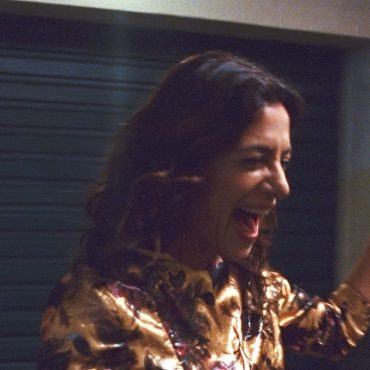


“Saccharine”, interview with director Natalie Erika James
From Sundance to Berlinale, blending body horror and psychological thriller, comes Saccharine by Natalie Erika James
Listeners:
Top listeners:
 play_arrow
ENGLISH Channel 01 If English is your language, or a language you understand, THIS IS YOUR CHANNEL !
 play_arrow
ITALIAN Channel 02 Se l’italiano è la tua lingua, o una lingua che conosci, QUESTO È IL TUO CANALE!
 play_arrow
EXTRA Channel 03 FRED Film Radio channel used to broadcast press conferences, seminars, workshops, master classes, etc.
 play_arrow
GERMAN Channel 04 Wenn Ihre Sprache Deutsch ist, oder Sie diese Sprache verstehen, dann ist das IHR KANAL !
 play_arrow
POLISH Channel 05
 play_arrow
SPANISH Channel 06 Si tu idioma es el español, o es un idioma que conoces, ¡ESTE ES TU CANAL!
 play_arrow
FRENCH Channel 07 Si votre langue maternelle est le français, ou si vous le comprenez, VOICI VOTRE CHAINE !
 play_arrow
PORTUGUESE Channel 08
 play_arrow
ROMANIAN Channel 09 Dacă vorbiţi sau înţelegeţi limba română, ACESTA ESTE CANALUL DUMNEAVOASTRĂ!
 play_arrow
SLOVENIAN Channel 10
 play_arrow
ENTERTAINMENT Channel 11 FRED Film Radio Channel used to broadcast music and live shows from Film Festivals.
 play_arrow
BULGARIAN Channel 16 Ако българският е вашият роден език, или го разбирате, ТОВА Е ВАШИЯТ КАНАЛ !
 play_arrow
CROATIAN Channel 17 Ako je hrvatski tvoj jezik, ili ga jednostavno razumiješ, OVO JE TVOJ KANAL!
 play_arrow
LATVIAN Channel 18
 play_arrow
DANISH Channel 19
 play_arrow
HUNGARIAN Channel 20
 play_arrow
DUTCH Channel 21
 play_arrow
GREEK Channel 22
 play_arrow
CZECH Channel 23
 play_arrow
LITHUANIAN Channel 24
 play_arrow
SLOVAK Channel 25
 play_arrow
ICELANDIC Channel 26 Ef þú talar, eða skilur íslensku, er ÞETTA RÁSIN ÞÍN !
 play_arrow
INDUSTRY Channel 27 FRED Film Radio channel completely dedicated to industry professionals.
 play_arrow
EDUCATION Channel 28 FRED Film Radio channel completely dedicated to film literacy.
 play_arrow
SARDU Channel 29 Si su sardu est sa limba tua, custu est su canale chi ti deghet!
 play_arrow
“Conversation with” at the 20th Marrakech IFF, interview with actor Willem Dafoe Bénédicte Prot
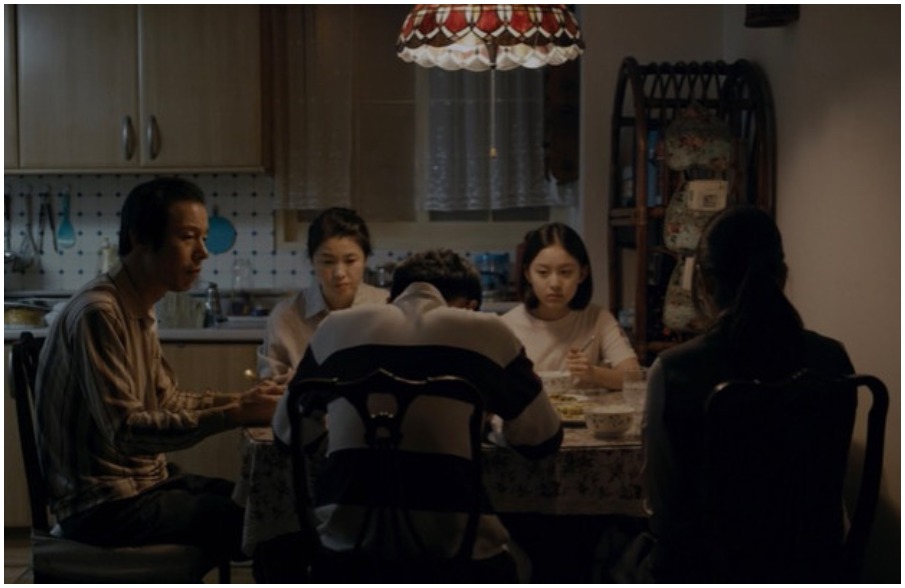
House of Hummingbird: With regular beatings from her brother, the evasions of a feckless boyfriend and a blossoming friendship with a new teacher, teenage Eunhee certainly has a lot on her mind. And with her parents always working late or fighting, it’s starting to feel like she’s invisible. But as Eunhee navigates the first flushes and disappointments of adolescence, she begins to develop her own philosophy towards life. Though Eunhee’s circumstances are often bleak, writer-director Bora Kim brings both humour and elegance to her autobiographical debut, capturing the tiny moments when perceptions shift in a young person’s life. It’s a richly textured depiction of South Korea – encompassing events and attitudes ranging from the collapse of Seongsu Bridge to society’s relationship with violence – all experienced through Eunhee’s wise young eyes.
To discover more about the film, click here.
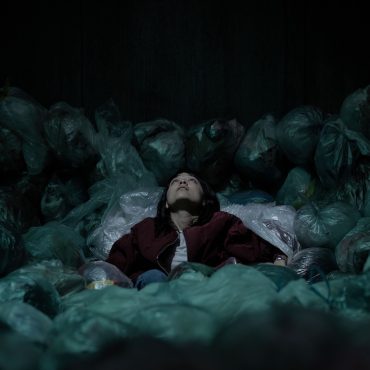
From Sundance to Berlinale, blending body horror and psychological thriller, comes Saccharine by Natalie Erika James
FRED Film Radio joins the many voices across the international film community in expressing its support for Tricia Tuttle and for the Berlinale, one of the world’s most vital spaces for cinematic dialogue and cultural exchange. As a media platform …
With "Isabel", Gabe Klinger finally shoots a film in his city São Paulo and his country Brazil.
Park Chan-wook will preside over the Jury at the 79th Festival de Cannes, marking a historic first for Korean cinema.