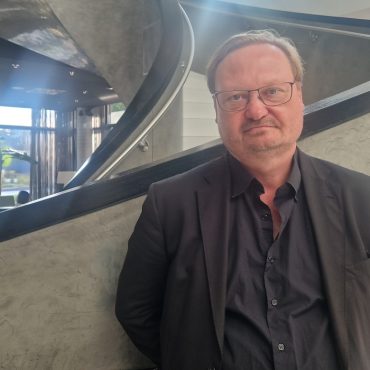



“Her Private Hell”, interview with director Nicolas Winding Refn
Nicolas Winding Refn on Her Private Hell, his first feature in ten years, in Italian cinemas from October 1.
Listeners:
Top listeners:
 play_arrow
ENGLISH Channel 01 If English is your language, or a language you understand, THIS IS YOUR CHANNEL !
 play_arrow
ITALIAN Channel 02 Se l’italiano è la tua lingua, o una lingua che conosci, QUESTO È IL TUO CANALE!
 play_arrow
EXTRA Channel 03 FRED Film Radio channel used to broadcast press conferences, seminars, workshops, master classes, etc.
 play_arrow
GERMAN Channel 04 Wenn Ihre Sprache Deutsch ist, oder Sie diese Sprache verstehen, dann ist das IHR KANAL !
 play_arrow
POLISH Channel 05
 play_arrow
SPANISH Channel 06 Si tu idioma es el español, o es un idioma que conoces, ¡ESTE ES TU CANAL!
 play_arrow
FRENCH Channel 07 Si votre langue maternelle est le français, ou si vous le comprenez, VOICI VOTRE CHAINE !
 play_arrow
PORTUGUESE Channel 08
 play_arrow
ROMANIAN Channel 09 Dacă vorbiţi sau înţelegeţi limba română, ACESTA ESTE CANALUL DUMNEAVOASTRĂ!
 play_arrow
SLOVENIAN Channel 10
 play_arrow
ENTERTAINMENT Channel 11 FRED Film Radio Channel used to broadcast music and live shows from Film Festivals.
 play_arrow
BULGARIAN Channel 16 Ако българският е вашият роден език, или го разбирате, ТОВА Е ВАШИЯТ КАНАЛ !
 play_arrow
CROATIAN Channel 17 Ako je hrvatski tvoj jezik, ili ga jednostavno razumiješ, OVO JE TVOJ KANAL!
 play_arrow
LATVIAN Channel 18
 play_arrow
DANISH Channel 19
 play_arrow
HUNGARIAN Channel 20
 play_arrow
DUTCH Channel 21
 play_arrow
GREEK Channel 22
 play_arrow
CZECH Channel 23
 play_arrow
LITHUANIAN Channel 24
 play_arrow
SLOVAK Channel 25
 play_arrow
ICELANDIC Channel 26 Ef þú talar, eða skilur íslensku, er ÞETTA RÁSIN ÞÍN !
 play_arrow
INDUSTRY Channel 27 FRED Film Radio channel completely dedicated to industry professionals.
 play_arrow
EDUCATION Channel 28 FRED Film Radio channel completely dedicated to film literacy.
 play_arrow
SARDU Channel 29 Si su sardu est sa limba tua, custu est su canale chi ti deghet!
 play_arrow
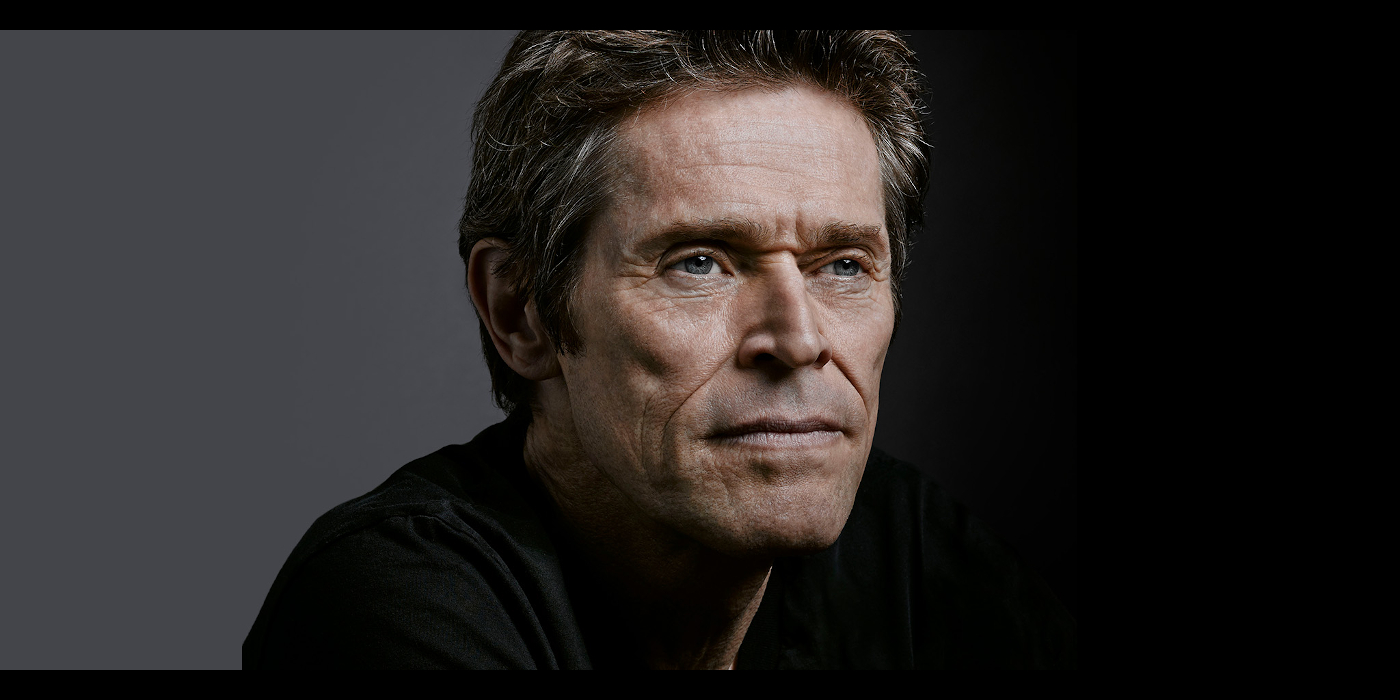
“Conversation with” at the 20th Marrakech IFF, interview with actor Willem Dafoe Bénédicte Prot
 play_arrow
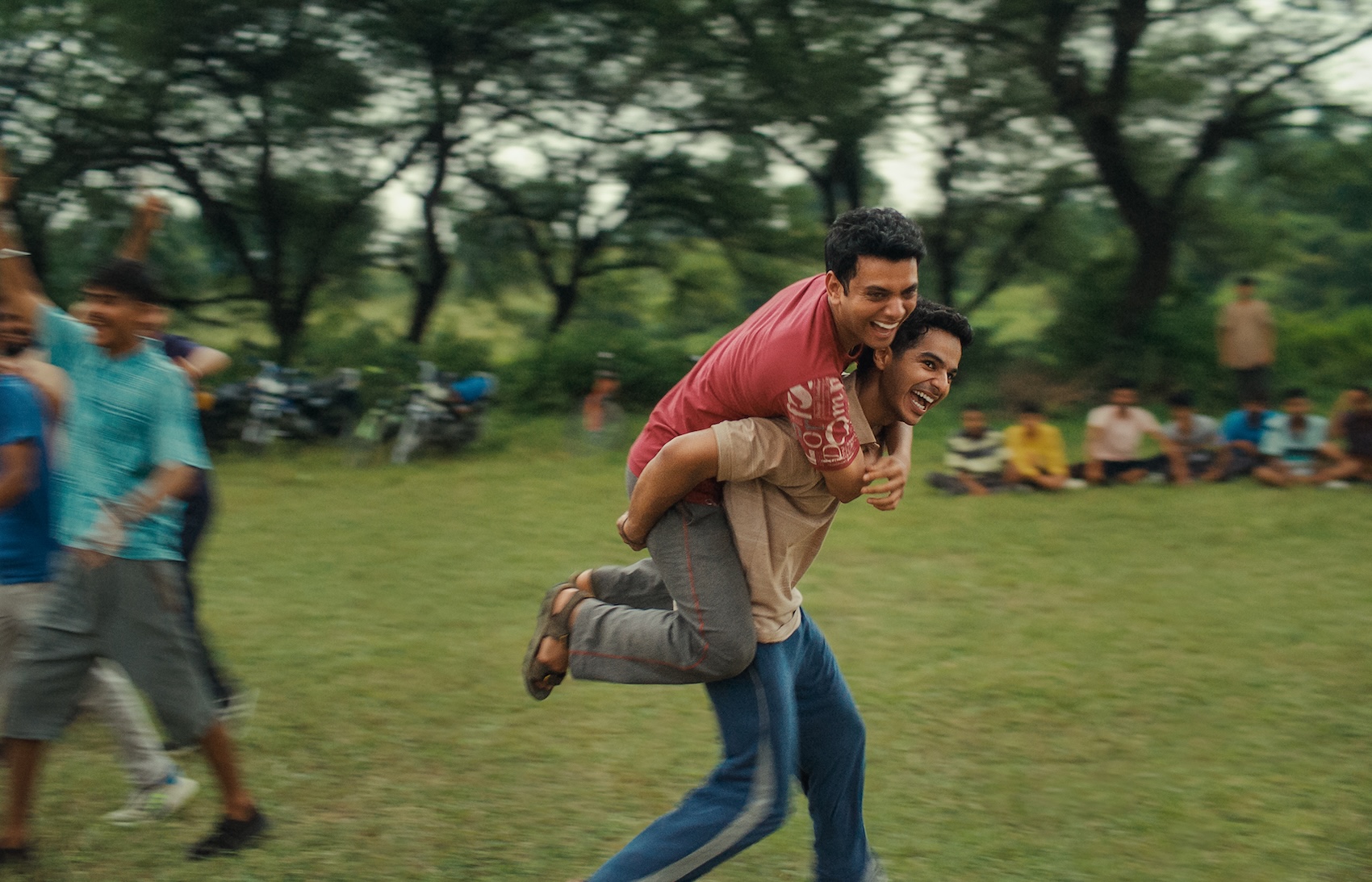
"Homebound", interview with the director Neeraj Ghaywan Federica Scarpa
At the 78th Festival de Cannes, we spoke with director Neeraj Ghaywan about his powerful new film “Homebound“, presented in the Un Certain Regard section. Set in a small North Indian village, “Homebound” follows two childhood friends from a marginalized community as they pursue a police job they believe will grant them dignity—only to find themselves tested by desperation, identity, and their evolving bond.
Neeraj Ghaywan describes “Homebound” as “a very universal story of two friends who come from a marginalized background.” The pursuit of a police job becomes a symbolic escape—“They think that if they get a police job, they won’t be shamed again… they won’t be treated badly.” Yet, the deeper journey is one of self-discovery and emotional reckoning.
Inspired by a real-life story published in The New York Times, Ghaywan fictionalized the lives of two boys “traveling during COVID times” to explore themes of systemic injustice and the desire for human dignity.
One of the film’s strongest ethical currents is its insistence on humanizing the unseen. As Ghaywan explains, “Migrants, people of color, minorities—they are only seen as a statistic. But what if we actually find two people out of that statistic?” This is where Homebound breaks from the pattern of tragedy-only narratives.
His intention is clear: “Maybe that is when people will see the human side… and we’ll want to have empathy and kindness.”
For Ghaywan, authenticity trumps dramatic flair. “Just good acting is not enough,” he says. To prepare the cast, he had actors “live in villages, soak in the atmosphere… sit in homes, eat, speak to the people.” The goal: to adopt lived truth rather than imitate it.
He even created a set rule called “code 360,” an emotional protocol where “everyone talks in hushed tones” to match the sensitivity of the scene. This immersive method aims to “replicate the tone of real life on screen.”
While the story is rooted in hardship, Ghaywan insists on emotional balance. “I didn’t want to only show pathos. I wanted to show the humanity—how they love, what jokes they make, what they eat.” Quoting Rilke—“Let everything happen to you: beauty and terror—no feeling is final”—he frames Homebound as an emotional mosaic, blending humor, struggle, and warmth.
This commitment to complexity is also a critique of the “urban gaze”, which often patronizes marginalized characters. Ghaywan pushes back: “They also have joy, ambition, teasing, fun… I just didn’t want to make it like ‘two poor people going through life.’”
In an era of silenced voices, Ghaywan sees cinema as a moral action. “For us artists, the only way to speak is through our art,” he says. While he avoids imposing his politics on characters, he believes that storytelling itself is an “act of patriotism… to help people understand what others are going through.”
His influences—Ken Loach, the Dardenne Brothers, and Federico Fellini—speak to his ethos: art should entertain, move, and provoke reflection.
Asked whether “Homebound“ is a film of escape or return, Ghaywan replies: “Wow… actually it is both.” His characters seek to flee their social realities, but also “come back home… accept their identities.” The journey is one of maturation, heartbreak, and ultimately, a return to self.
Ten years after his acclaimed debut Masaan, Ghaywan reflects on his path: “A lot of studios wanted to make films with me… but I was my own enemy.” He waited for a story that “touches my deepest core.” And with “Homebound“, he found it.
Two childhood friends from a small North Indian village chase a police job that promises them the dignity they’ve long been denied. But as they inch closer to their dream, mounting desperation threatens the bond that holds them together.
Nicolas Winding Refn on Her Private Hell, his first feature in ten years, in Italian cinemas from October 1.
Discover how EWIP - European Work in Progress connects European and African films with top buyers, boosting distribution and festival success.
Rome is once again expanding the scope of its Film Fest: thirteen days of cinema, international premieres, renowned auteurs, emerging talent, series, documentaries, and cinematic heritage—with Javier Bardem, Paolo Genovese, and Monica Vitti at the heart of an edition that …
Pascal Diot, directeur du Venice Production Bridge, sur 15 ans d'évolution et le nouveau VPB Location Market.