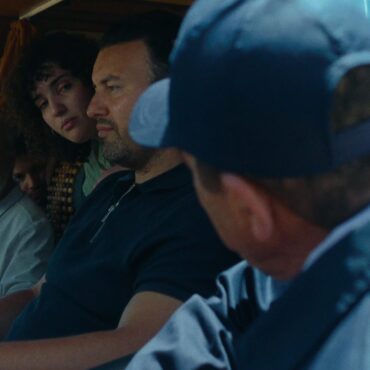
“Aisha Can’t Fly Away”, the debut feature by Morad Mostafa, presented at the Marrakech International Film Festival, delves into the lives of African migrants in Cairo through a blend of social realism and magical realism. This film uniquely captures the internal struggles and resilience of its characters, making it a poignant addition to contemporary world cinema.
Understanding the Inspiration
Morad Mostafa, in “Aisha Can’t Fly Away”, embarked on this project fuelled by a desire to tell stories about African migrants in Egypt, an often overlooked topic in Egyptian cinema. The film’s narrative was inspired by real-life encounters and personal reflections, especially a vivid memory of witnessing a migrant girl on a Cairo bus. This moment sparked the filmmaker’s interest in portraying the migrant experience with honesty and depth. The film aims to shed light on the emotional and physical hardships faced by migrants, with Aisha representing the universal quest for change and self-empowerment. The choice of the title emphasizes the longing and the seemingly impossible desire for freedom, which is central to Aisha’s journey.
Using Surreal Elements to Convey Its Message
“Aisha Can’t Fly Away” stands out for its precise aesthetics and the integration of surreal elements that deepen the storytelling. The appearance of the ostrich, a symbol of African heritage, is a striking example. Made famous by its inability to fly, the ostrich in the film symbolizes both vulnerability and strength, mirroring Aisha’s own entrapment and resilience. Morad Mostafa intentionally shifts genres from social drama to magical realism, using the ostrich’s presence to explore internal conflicts and societal pressures. This blending of realities invites viewers to see beyond the surface and understand the emotional landscapes of the characters, making the film both visually captivating and thematically rich.
First-Timer Collaboration and Character Preparation
“Aisha Can’t Fly Away” features a lead actress making her debut in a feature film, and the director’s approach to working with non-professional actors contributed significantly to the film’s authentic feel. The actress was cast through a specialized agency that focuses on migrant models, ensuring she brought a genuine presence to the role. Mostafa prioritized her natural expressiveness, highlighting her ability to portray a wide range of emotions—from kindness to violence—within a single look. Extensive preparation involved helping her embody the complexity of Aisha’s character while maintaining spontaneity on screen. This collaboration exemplifies how first-time actors can deliver powerful performances when guided with care and authenticity.
“Aisha Can’t Fly Away” stands as a vivid testament to the struggles and resilience of women migrants, blending surreal imagery with social commentary. The film’s rich symbolism and compelling storytelling vividly illustrate that the story of Aisha is not just her own but reflects a broader human experience—one that the story of Aisha Can’t Fly Away naturally continues to evoke in viewers around the world.
Plot
Aisha, a 26-year-old Sudanese caregiver, lives in a neighborhood in the heart of Cairo where she witnesses the tension between her fellow African migrants and local gangs. Stuck between an undefined relationship with a young Egyptian cook, a gangster who blackmails her into an unethical deal in exchange for safety, and a new house she’s been assigned to work in, Aisha struggles to cope with her fears and lost battles, causing her dreams to clash with reality and leading her to an impasse.