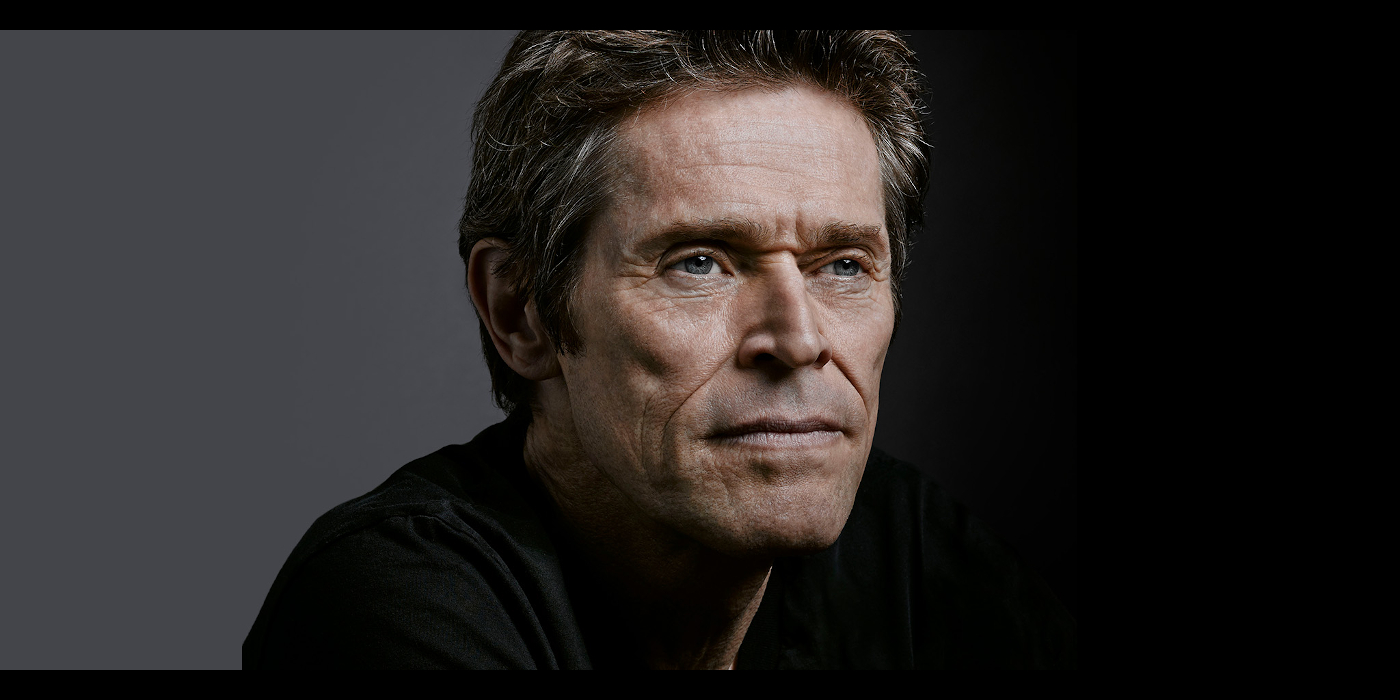
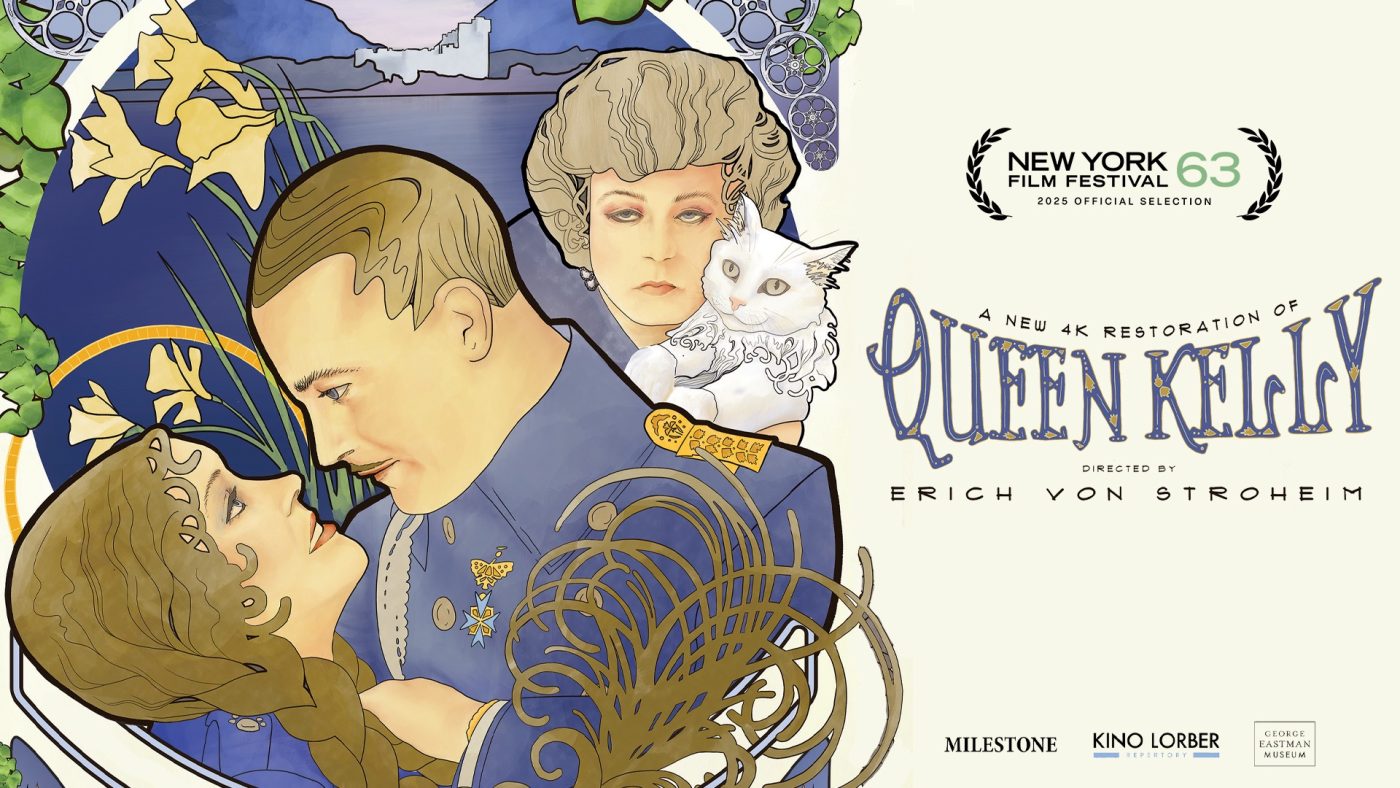
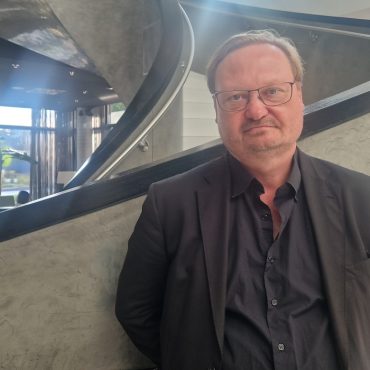
Dennis Doros, founder of Milestone Films with Amy Heller, welcomed us into his home to discuss the over forty years in the making restoration of “Queen Kelly”, a silent-film masterpiece. The world premiere of the newly completed restoration took place at the 82nd Venice Film Festival in 2025, and it was later presented to a full house in the Revival section of the 63rd New York Film Festival.
Unveiling the intricate process behind the restoration of “Queen Kelly”, Dennis Doros shares the many challenges involved in reviving a film that was never completed. Curated by Milestone Films, the project offers new insights into Gloria Swanson’s iconic performance and her role as producer, aiming to honor her creative vision decades after her death. Through archival discoveries, digital techniques, and careful artistic decisions, this ambitious restoration brings renewed life to one of cinema’s most legendary unfinished works.
Why “Queen Kelly” Continues to Fascinate Film Enthusiasts
“Queen Kelly” remains a legendary yet elusive title in the history of silent cinema. Its status as an unfinished masterpiece and as a testament to director Erich von Stroheim’s uncompromising artistic ambition has made it a lasting object of fascination. The film’s devoted following, combined with the desire to glimpse what might have been, continues to fuel efforts to restore its lost grandeur. Revisiting “Queen Kelly” allows audiences to experience a crucial moment in film history, bridging the height of the silent era and the dawn of the sound era.
The Challenges of Restoration and the Role of Archives
Restoring “Queen Kelly” presented significant challenges due to missing footage and the loss of materials over time. The process required extensive research, including the recovery of still photographs, scripts, and previously unseen footage preserved in archives such as the Harry Ransom Center and the George Eastman Museum. One of the most important discoveries was African stock footage originally purchased by Erich von Stroheim, which added an essential layer of authenticity to the reconstruction. These archival elements enabled Dennis Doros, Milestone Films, and the restoration team to assemble a version that captures the film’s original spirit and intent.
A Reimagined Masterpiece
Described as a “reimagining,” the restoration goes beyond simple reconstruction. By creatively filling narrative gaps using digital techniques, still images, and unused material, the team, led by Dennis Doros, sought to respect the original artistry while acknowledging the film’s incomplete nature. The result is a richly layered and immersive experience that suggests how radical “Queen Kelly” might have been if completed in its time challenging social taboos while remaining firmly rooted in the language of silent cinema.
The Impact of the “Queen Kelly” Restoration
The restoration of “Queen Kelly” not only honors Gloria Swanson’s legacy as both star and producer but also underscores the vital role of archives, technological innovation, and Dennis Doros’ dedicated curatorial vision in film preservation. By bringing this nearly lost film back to contemporary audiences, the project reaffirms “Queen Kelly” ’s place as a cornerstone of cinematic history.
Reconstruction: Dennis Doros and Amy Heller, Milestone Film & Video, Harrington Park, NJ. Nitrate materials and stills courtesy of The George Eastman Museum, Rochester, New York. 4K digital stabilization, timing and cleanup by Metropolis Post, NYC. Colorist: Jason Crump. Digital restoration artist: Ian Bostick. Supervised by Milestone Films.
Plot
"Queen Kelly" (1928–29), directed by Erich von Stroheim and produced by Gloria Swanson, stars Swanson in the title role as Patricia Kelly, a convent-raised orphan whose life is upended when she attracts the obsessive attention of Prince Wolfram (Walter Byron). Their passionate affair ignites the wrath of the reigning queen, whose jealousy and cruelty set off a series of dramatic and tragic events.
In the newly restored version, audiences can fully experience Patricia’s journey through a world of social ambition, moral corruption, and personal betrayal. The European sequences reveal lavish palaces, forbidden desires, and escalating power struggles, while the restoration also reconstructs portions of the previously lost African storyline, showing the harrowing consequences of her exile and the darker, more scandalous aspects of the tale. The reimagined finale brings the story to a haunting and dramatic conclusion, capturing the emotional and narrative intensity von Stroheim originally intended.
After surviving only in fragments for decades, Milestone Films’ Dennis Doros and Amy Heller have created a comprehensive digital restoration, incorporating previously unseen material and creatively reconstructing the ending. With a new orchestral score by Eli Denson, the film now allows audiences to experience von Stroheim’s bold, decadent vision and Swanson’s unforgettable performance in its most complete and immersive form to date.