

“We Are All Strangers”, interview with director Anthony Chen
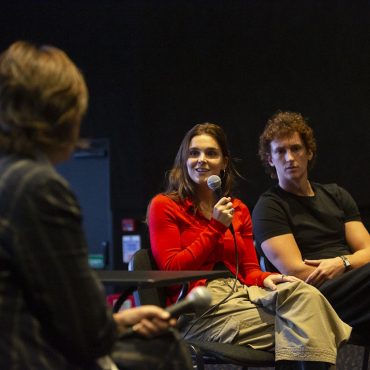
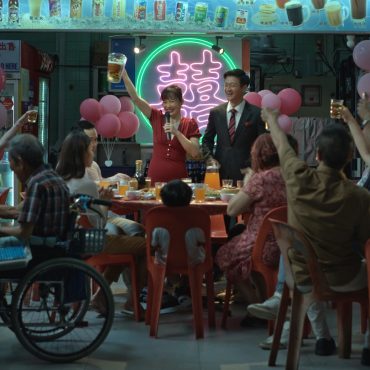
"We Are All Strangers" by Anthony Chen, in the 76th Berlinale competition marks the end of his Singapore life trilogy.
Listeners:
Top listeners:
 play_arrow
ENGLISH Channel 01 If English is your language, or a language you understand, THIS IS YOUR CHANNEL !
 play_arrow
ITALIAN Channel 02 Se l’italiano è la tua lingua, o una lingua che conosci, QUESTO È IL TUO CANALE!
 play_arrow
EXTRA Channel 03 FRED Film Radio channel used to broadcast press conferences, seminars, workshops, master classes, etc.
 play_arrow
GERMAN Channel 04 Wenn Ihre Sprache Deutsch ist, oder Sie diese Sprache verstehen, dann ist das IHR KANAL !
 play_arrow
POLISH Channel 05
 play_arrow
SPANISH Channel 06 Si tu idioma es el español, o es un idioma que conoces, ¡ESTE ES TU CANAL!
 play_arrow
FRENCH Channel 07 Si votre langue maternelle est le français, ou si vous le comprenez, VOICI VOTRE CHAINE !
 play_arrow
PORTUGUESE Channel 08
 play_arrow
ROMANIAN Channel 09 Dacă vorbiţi sau înţelegeţi limba română, ACESTA ESTE CANALUL DUMNEAVOASTRĂ!
 play_arrow
SLOVENIAN Channel 10
 play_arrow
ENTERTAINMENT Channel 11 FRED Film Radio Channel used to broadcast music and live shows from Film Festivals.
 play_arrow
BULGARIAN Channel 16 Ако българският е вашият роден език, или го разбирате, ТОВА Е ВАШИЯТ КАНАЛ !
 play_arrow
CROATIAN Channel 17 Ako je hrvatski tvoj jezik, ili ga jednostavno razumiješ, OVO JE TVOJ KANAL!
 play_arrow
LATVIAN Channel 18
 play_arrow
DANISH Channel 19
 play_arrow
HUNGARIAN Channel 20
 play_arrow
DUTCH Channel 21
 play_arrow
GREEK Channel 22
 play_arrow
CZECH Channel 23
 play_arrow
LITHUANIAN Channel 24
 play_arrow
SLOVAK Channel 25
 play_arrow
ICELANDIC Channel 26 Ef þú talar, eða skilur íslensku, er ÞETTA RÁSIN ÞÍN !
 play_arrow
INDUSTRY Channel 27 FRED Film Radio channel completely dedicated to industry professionals.
 play_arrow
EDUCATION Channel 28 FRED Film Radio channel completely dedicated to film literacy.
 play_arrow
SARDU Channel 29 Si su sardu est sa limba tua, custu est su canale chi ti deghet!
 play_arrow
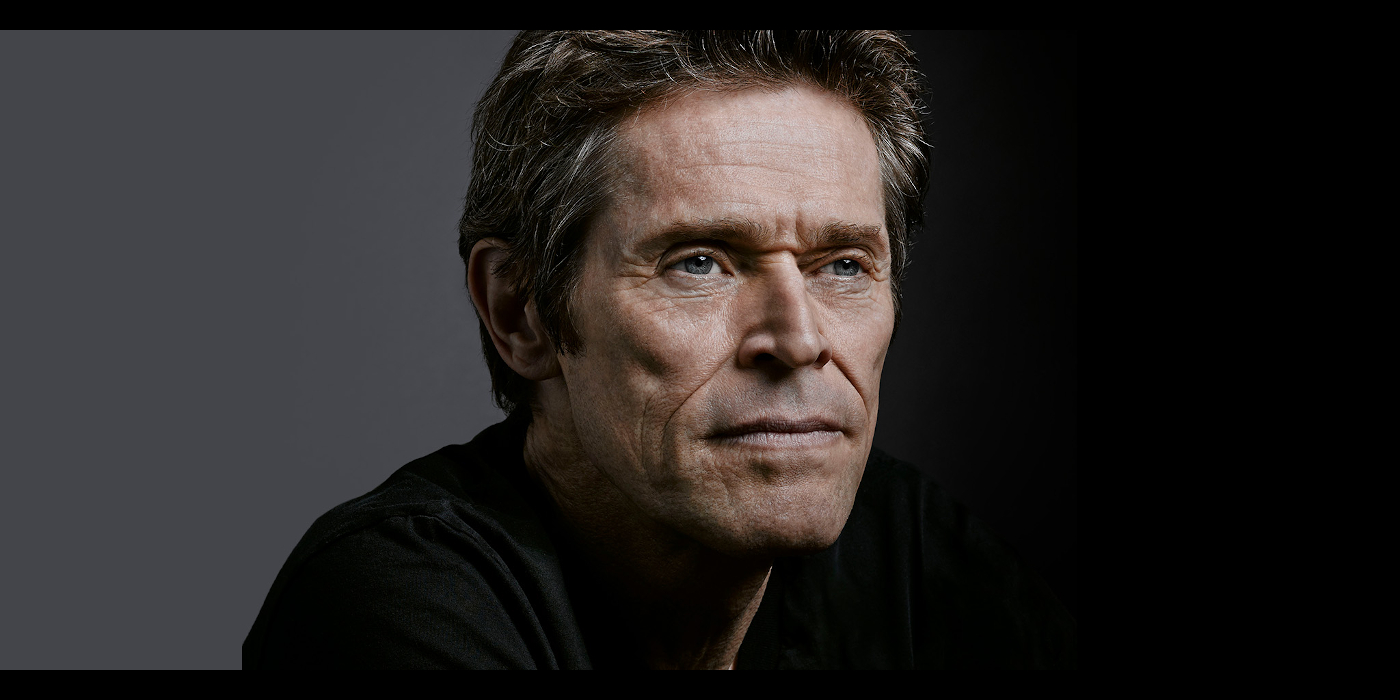
“Conversation with” at the 20th Marrakech IFF, interview with actor Willem Dafoe Bénédicte Prot
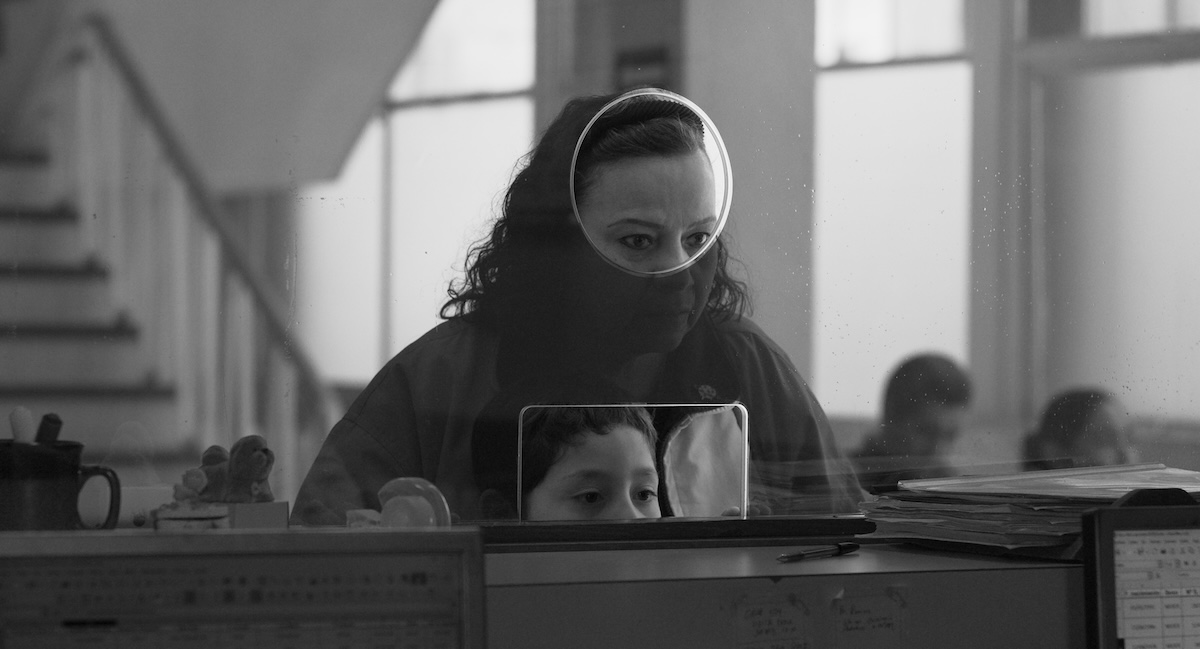
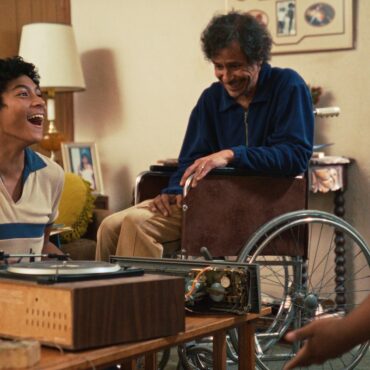
With “Moscas”, Mexican filmmaker Fernando Eimbcke returns to the Berlinale but this time in Competition, with a project whose origins stretch back decades.
“I found this file on my computer from 25 years ago,” Eimbcke recalls. What began as an abandoned draft gradually resurfaced as a viable story, but only once he began working with novelist-turned-screenwriter Vanesa Garnica. Their collaboration, which previously brought “Olmo” to Panorama, became the decisive factor in finally realising “Moscas”.
“I needed to work with her,” Fernando Eimbcke explains. “She’s very generous. She taught me a lot during the writing process.” With a strong premise in place, a solitary woman forced to rent out a room, only to see her rigid world destabilised by the arrival of a father and his nine-year-old son, the duo felt confident enough to dig deeper into character psychology rather than plot mechanics. “We knew where the story would end,” he says. “So we could go deeper and deeper.”
The script evolved during production. Initially, the screenplay contained extensive dialogue for the child character, including a lengthy monologue in a hospital scene in which the boy recounts events to his mother.
But reality intervened. “It was not that the actor couldn’t learn the lines,” Fernando Eimbcke clarifies. “He just didn’t care about the dialogue.” Rather than forcing performance into words, the director chose to rethink the scene entirely.
He called Vanesa Garnica. The solution was radical in its simplicity: erase the monologue. Replace speech with action.
In the revised version, the boy sees his mother, puts on his shoes, and quietly asks if they can leave—the emotional weight shifts from explanation to gesture. The scene becomes less about information and more about presence.
For Fernando Eimbcke, this transformation reflects a broader artistic principle: cinema as action rather than articulation. Meaning emerges not from what characters declare, but from what they do — or cannot do.
At the centre of “Moscas” is Olga, a woman living a meticulously regulated life in a vast, impersonal apartment block. She has no friends, no visible attachments, no disruptions. Financial necessity forces her to rent a room. The tenant arrives and brings his son in secret.
The intrusion is gradual, almost imperceptible. Against her will, Olga begins to form a bond with the child. What destabilises her is not dramatic confrontation but proximity. The presence of another life in her controlled environment exposes the fragility she had kept contained.
Fernando Eimbcke approaches this transformation without melodrama. As in his earlier films, stillness and silence carry narrative weight. The apartment becomes both fortress and prison, a space where routine substitutes for connection.
Throughout the interview, Fernando Eimbcke returns to the idea of collaboration as a process of surrender. Working with Garnica required openness, not only to structural changes but to vulnerability in storytelling. The rewriting of the hospital scene became emblematic of that trust.
The decision to privilege action over speech mirrors Olga’s journey. Just as the script sheds explanatory dialogue, the character sheds emotional defences. Change does not arrive through confession but through shared space and small gestures.
In a Competition lineup often marked by overt political narratives, “Moscas” offers something quieter: an examination of solitude interrupted. The film suggests that transformation rarely announces itself loudly. Sometimes it enters the room uninvited, like a fly.
Olga lives a strictly regulated life without any friends or relationships in a vast block of flats. When, out of financial necessity, she is forced to rent out a room, a man moves in who also sneaks his nine-year-old son into the flat. To her own surprise, Olga begins to form an unlikely bond with the child. Her carefully controlled world begins to shift and, entirely against Olga’s will, these three lives start to become intertwined.
"We Are All Strangers" by Anthony Chen, in the 76th Berlinale competition marks the end of his Singapore life trilogy.
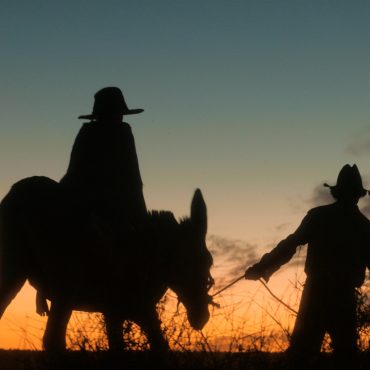
With "Wolfram", presented at the 76th Berlinale, Thornton goes back to the Western genre, this time filled with hope overcoming a tough world.
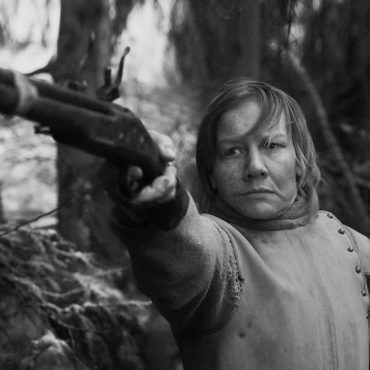
Markus Schleinzer discusses "Rose" in Competition at the 76th Berlinale, exploring identity, power and historical research.
At the 75.Berlinale, "Olmo" by Fernando Eimbcke, a coming-of-age story rooted in family.
Edinburgh Spanish Film Festival
Marian Arechega, director of the vibrant Edinburgh Spanish Film Festival, discusses the 2026 edition programme, showcasing recent and diverse cinema from Spain.
Nicolas Winding Refn on Her Private Hell, his first feature in ten years, in Italian cinemas from October 1.
Discover how EWIP - European Work in Progress connects European and African films with top buyers, boosting distribution and festival success.
Rome is once again expanding the scope of its Film Fest: thirteen days of cinema, international premieres, renowned auteurs, emerging talent, series, documentaries, and cinematic heritage—with Javier Bardem, Paolo Genovese, and Monica Vitti at the heart of an edition that …