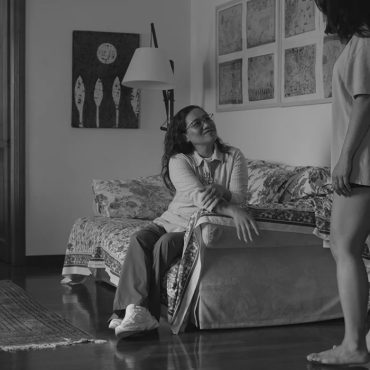


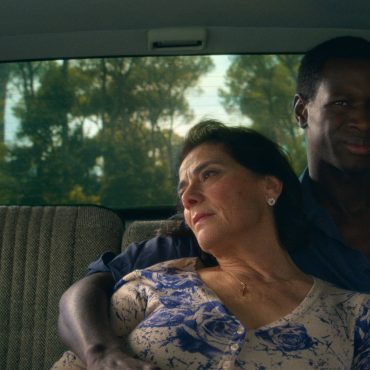
“Only Rebels Win”, interview with actress Hiam Abbass
"Only Rebels Win" by Danielle Arbid opens the 76th Berlinale’s Panorama with Hiam Abbass in the leading role.
Listeners:
Top listeners:
 play_arrow
ENGLISH Channel 01 If English is your language, or a language you understand, THIS IS YOUR CHANNEL !
 play_arrow
ITALIAN Channel 02 Se l’italiano è la tua lingua, o una lingua che conosci, QUESTO È IL TUO CANALE!
 play_arrow
EXTRA Channel 03 FRED Film Radio channel used to broadcast press conferences, seminars, workshops, master classes, etc.
 play_arrow
GERMAN Channel 04 Wenn Ihre Sprache Deutsch ist, oder Sie diese Sprache verstehen, dann ist das IHR KANAL !
 play_arrow
POLISH Channel 05
 play_arrow
SPANISH Channel 06 Si tu idioma es el español, o es un idioma que conoces, ¡ESTE ES TU CANAL!
 play_arrow
FRENCH Channel 07 Si votre langue maternelle est le français, ou si vous le comprenez, VOICI VOTRE CHAINE !
 play_arrow
PORTUGUESE Channel 08
 play_arrow
ROMANIAN Channel 09 Dacă vorbiţi sau înţelegeţi limba română, ACESTA ESTE CANALUL DUMNEAVOASTRĂ!
 play_arrow
SLOVENIAN Channel 10
 play_arrow
ENTERTAINMENT Channel 11 FRED Film Radio Channel used to broadcast music and live shows from Film Festivals.
 play_arrow
BULGARIAN Channel 16 Ако българският е вашият роден език, или го разбирате, ТОВА Е ВАШИЯТ КАНАЛ !
 play_arrow
CROATIAN Channel 17 Ako je hrvatski tvoj jezik, ili ga jednostavno razumiješ, OVO JE TVOJ KANAL!
 play_arrow
LATVIAN Channel 18
 play_arrow
DANISH Channel 19
 play_arrow
HUNGARIAN Channel 20
 play_arrow
DUTCH Channel 21
 play_arrow
GREEK Channel 22
 play_arrow
CZECH Channel 23
 play_arrow
LITHUANIAN Channel 24
 play_arrow
SLOVAK Channel 25
 play_arrow
ICELANDIC Channel 26 Ef þú talar, eða skilur íslensku, er ÞETTA RÁSIN ÞÍN !
 play_arrow
INDUSTRY Channel 27 FRED Film Radio channel completely dedicated to industry professionals.
 play_arrow
EDUCATION Channel 28 FRED Film Radio channel completely dedicated to film literacy.
 play_arrow
SARDU Channel 29 Si su sardu est sa limba tua, custu est su canale chi ti deghet!
 play_arrow
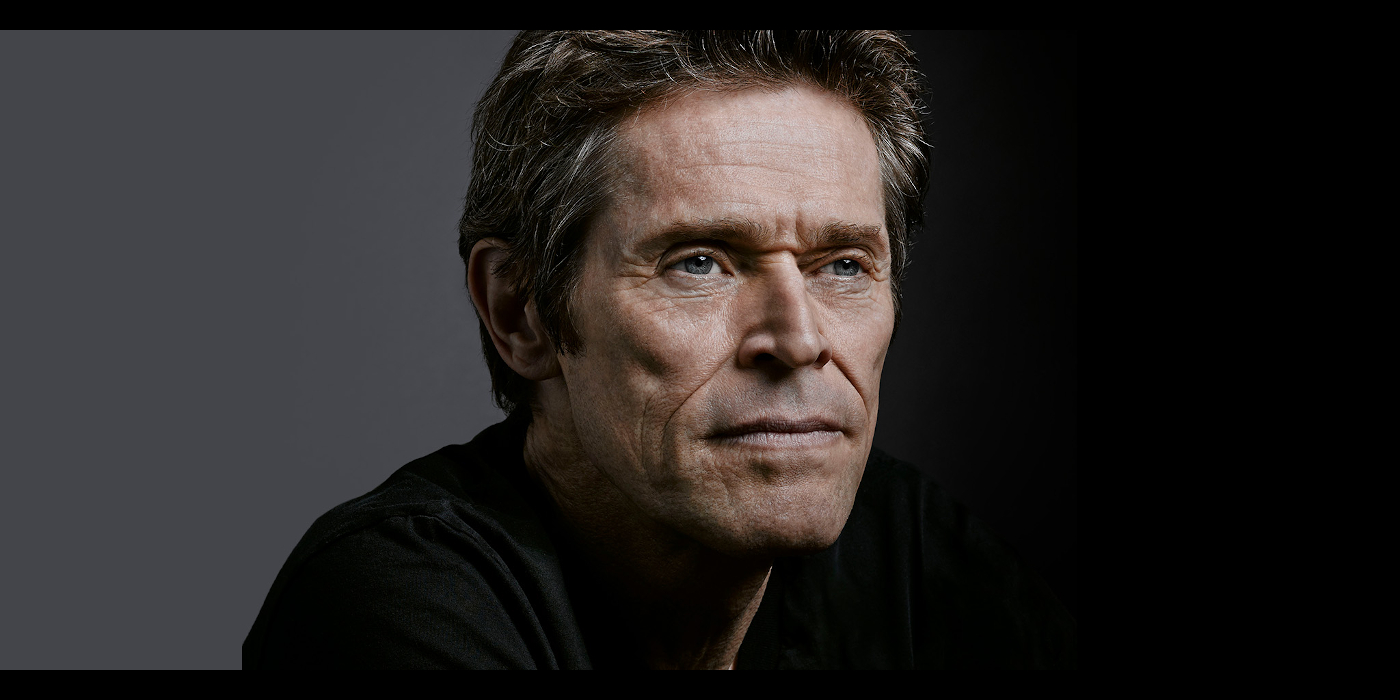
“Conversation with” at the 20th Marrakech IFF, interview with actor Willem Dafoe Bénédicte Prot
 play_arrow
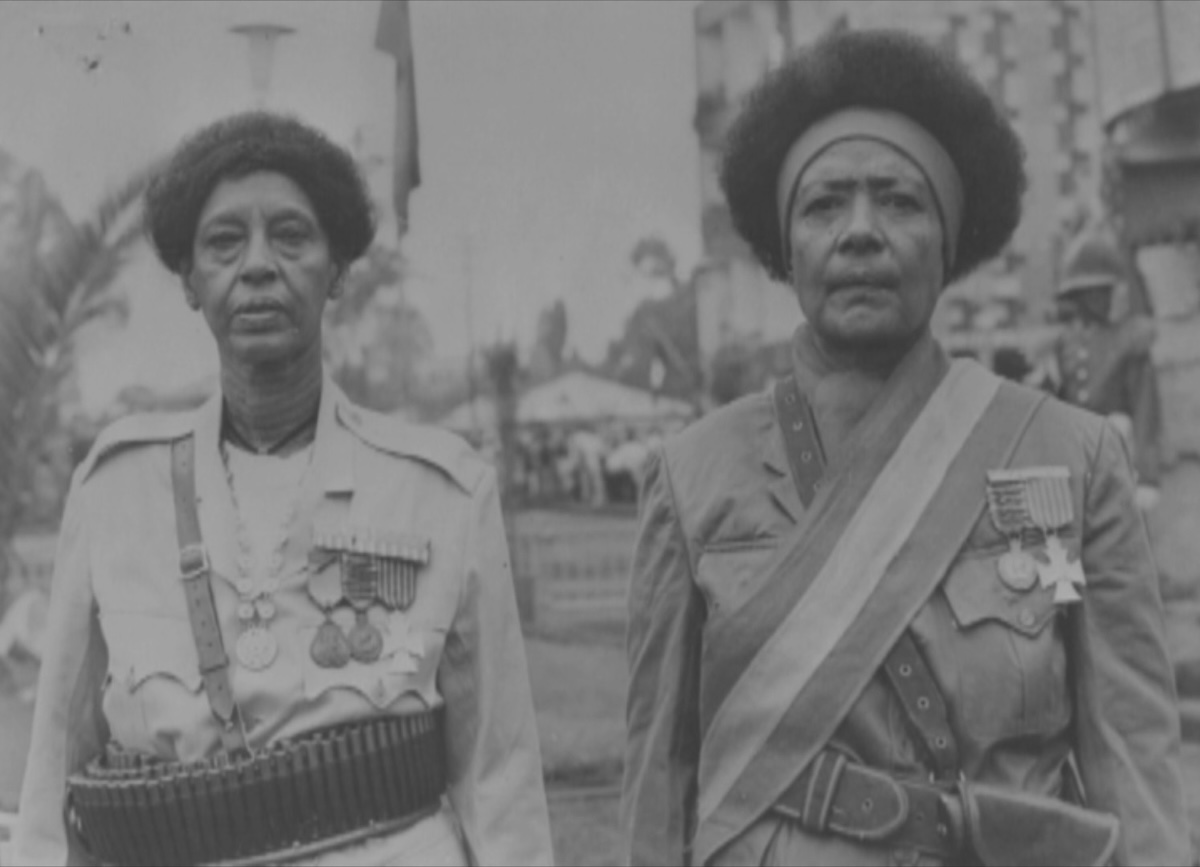
"Black Lions - Roman Wolves", interview with director Haile Gerima Federica Scarpa
Screened in the Forum section of the 76th Berlinale, “Black Lions – Roman Wolves” stands as Haile Gerima’s most ambitious work to date. A central figure of the L.A. Rebellion and New Black Cinema, Gerima spent three decades crafting this 531-minute meditation on Italian colonialism in Ethiopia and its long shadow.
The film retraces the aftermath of Ethiopia’s 1896 victory at Adwa and the fascist invasion launched by Mussolini in 1935, when Italian forces deployed poison gas in a war crime that remains marginal in Italian public discourse. Through archival footage, testimonies of surviving witnesses, and excerpts from his father’s plays, Haile Gerima builds a layered narrative of resistance, historical erasure and Black solidarity.
“I didn’t imagine it would take so long”, Haile Gerima reflects. What began in the mid-1990s as a research project grew into what he calls an all-consuming process. “As I did the film, I realized how much I didn’t know.”
Central to “Black Lions – Roman Wolves” is what Haile Gerima defines as “the right to remember.” Yet, he argues, memory remains hostage to colonial structures. Accessing archival material proved fraught. Much of the footage documenting Ethiopia’s invasion is held by European institutions, from Italy to Britain and France, and shaped by the colonisers’ perspective.
“The manufacturer of those images is the fascist invasion of my country,” he says. “And I’m not entitled to them.” The monopoly over archival images becomes a second act of dispossession. Ethiopia’s own viewpoint was rarely filmed, and when it was, access remained restricted or incomplete. Haile Gerima recounts the disappearance of crucial footage, including images of resistance actions and the dismantling of Emperor Menelik’s monument.
Haile Gerima speaks candidly about Italy’s incomplete reckoning with its colonial past. While Italian cinema has extensively examined fascism’s domestic consequences, he notes a persistent silence regarding Libya, Somalia and Ethiopia. “Italian fascists were never indicted for crimes in Ethiopia,” he remarks.
He recalls encounters with Italians filmmakers, taxi drivers, and festival audiences, who insist that Italy was a “different” kind of colonial power. Yet testimonies from Ethiopian survivors contradict this narrative, particularly regarding the systematic use of poison gas. During screenings in Turin, Haile Gerima observed young Italian viewers in tears, confronting a history rarely addressed in their education.
For him, historical amnesia is not accidental but structural. Both Ethiopians and Italians, he suggests, have been misinformed by elites who shape selective narratives. “History should be debated and discussed,” he insists, not curated to preserve national myths.
Watching “Black Lions – Roman Wolves” today inevitably evokes contemporary conflicts. Haile Gerima draws parallels between the League of Nations’ inaction during Italy’s invasion of Ethiopia and the perceived paralysis of the United Nations in current global crises. For him, the structural continuity is unmistakable: international bodies convene, resolutions are debated, but invasions proceed.
The resurgence of far-right ideologies in Europe and beyond intensifies his concern. Attempts to rehabilitate figures such as General Rodolfo Graziani, in his view, signal a failure to confront historical crimes. “Human beings don’t learn,” he says, reflecting on how denial perpetuates repetition.
At 531 minutes, the film resists conventional distribution logic. Yet Haile Gerima rejects the idea of duration as provocation. “It sized itself,” he explains. His formal choices, shooting in Amharic, privileging oral testimony, and refusing simplified binaries, stem from a commitment to narrative sovereignty.
European producers, he notes, often suggested making the film in English for commercial viability. Haile Gerima refused. “I don’t want to lose the accent of the story,” he says. For him, language carries melody, folklore and cultural specificity that cannot be translated into market formulas.
He also challenges reductive storytelling that frames history in simplistic oppositions of good and evil. “Filmmakers should search for the elusive truth,” he argues, warning against dogmatic narratives that replicate the same ideological rigidity they critique.
In 1896, Ethiopia gained victory over Italy, hitting back at its first attempt to conquer the East African country. When Mussolini and the fascists came to power in 1922, the still abstract risk of a further attack became concrete. In 1935, Italy began an assault on Ethiopia once again, subjecting the country to a brutal war, not shying away from the use of poisonous gas: a crime, paradoxically, at once omnipresent and barely remembered in today’s Italy. Haile Gerima, veteran of the L.A. Rebellion and New Black Cinema, worked for 30 years on his monumental exploration of the history and mythology of Italian colonialism, and also commemoration of the Ethiopian resistance. From archive material, conversations with historical witnesses and his father’s plays, he weaves together a panorama of self-affirmation and colonial murder, of European complicity and Black solidarity. Black Lions – Roman Wolves sets Ethiopian voices against lasting colonialist lies – and the recordings of the resistance against the reproduction of colonial images; against the entrenched visual dominance of the colonisers. A film for the present as well as for the coming decades.
"Only Rebels Win" by Danielle Arbid opens the 76th Berlinale’s Panorama with Hiam Abbass in the leading role.
"Gugu's world" by director Allan Deberton is a story of childhood, family bonds, and universal dreams set in rural Brazil. An emotional journey for all ages.
"Everybody Digs Bill Evans" captivates with its style and explores the jazz icon’s complex life, blending visual innovation with heartfelt storytelling and masterful performances.
The World Cinema Fund promotes international film diversity and supports local voices amid global challenges. Its director, Sata Cissokho gives us a deeper look into it.
Pascal Diot, directeur du Venice Production Bridge, sur 15 ans d'évolution et le nouveau VPB Location Market.
In the Open section at Venice 83, Luke Lorentzen on falling back in love with filmmaking in Boatbuilders
Javier Bardem will be one of the major guests of the Rome Film Fest 2026, receiving the Lifetime Achievement Award and presenting Rodrigo Sorogoyen’s El ser querido.
Liryc Dela Cruz, director of A Brief Encounter, at the International Critics Week, Venice Film Festival 2026.