
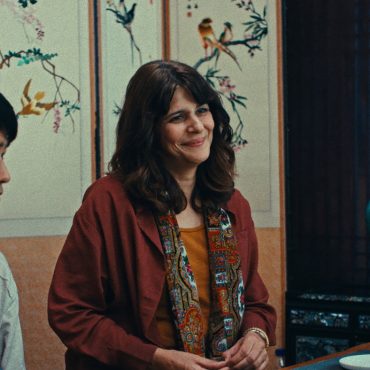
“Half-moon”, interview with director Hae-Sup Sin
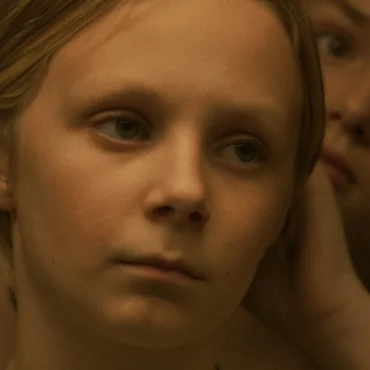
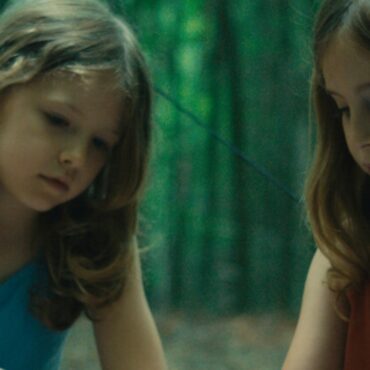
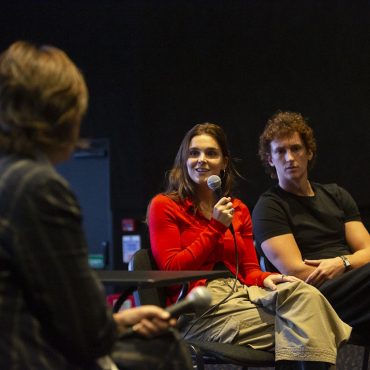
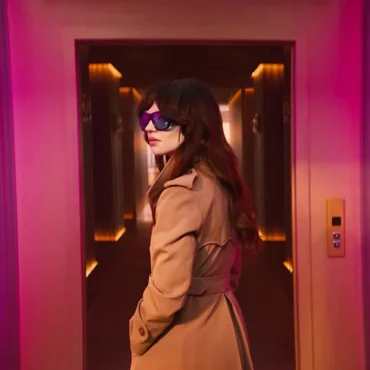
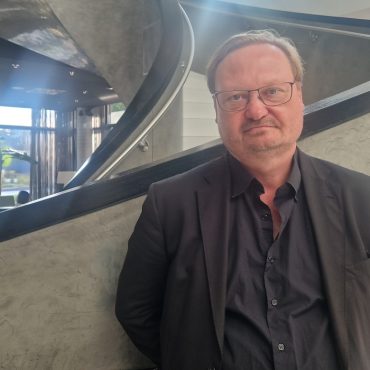
Half-moon director Hae-Sup Sin at Future Frames 2026. A short film about adoption, cultural identity and two mothers discovering that love can be shared rather than divided.
Listeners:
Top listeners:
 play_arrow
ENGLISH Channel 01 If English is your language, or a language you understand, THIS IS YOUR CHANNEL !
 play_arrow
ITALIAN Channel 02 Se l’italiano è la tua lingua, o una lingua che conosci, QUESTO È IL TUO CANALE!
 play_arrow
EXTRA Channel 03 FRED Film Radio channel used to broadcast press conferences, seminars, workshops, master classes, etc.
 play_arrow
GERMAN Channel 04 Wenn Ihre Sprache Deutsch ist, oder Sie diese Sprache verstehen, dann ist das IHR KANAL !
 play_arrow
POLISH Channel 05
 play_arrow
SPANISH Channel 06 Si tu idioma es el español, o es un idioma que conoces, ¡ESTE ES TU CANAL!
 play_arrow
FRENCH Channel 07 Si votre langue maternelle est le français, ou si vous le comprenez, VOICI VOTRE CHAINE !
 play_arrow
PORTUGUESE Channel 08
 play_arrow
ROMANIAN Channel 09 Dacă vorbiţi sau înţelegeţi limba română, ACESTA ESTE CANALUL DUMNEAVOASTRĂ!
 play_arrow
SLOVENIAN Channel 10
 play_arrow
ENTERTAINMENT Channel 11 FRED Film Radio Channel used to broadcast music and live shows from Film Festivals.
 play_arrow
BULGARIAN Channel 16 Ако българският е вашият роден език, или го разбирате, ТОВА Е ВАШИЯТ КАНАЛ !
 play_arrow
CROATIAN Channel 17 Ako je hrvatski tvoj jezik, ili ga jednostavno razumiješ, OVO JE TVOJ KANAL!
 play_arrow
LATVIAN Channel 18
 play_arrow
DANISH Channel 19
 play_arrow
HUNGARIAN Channel 20
 play_arrow
DUTCH Channel 21
 play_arrow
GREEK Channel 22
 play_arrow
CZECH Channel 23
 play_arrow
LITHUANIAN Channel 24
 play_arrow
SLOVAK Channel 25
 play_arrow
ICELANDIC Channel 26 Ef þú talar, eða skilur íslensku, er ÞETTA RÁSIN ÞÍN !
 play_arrow
INDUSTRY Channel 27 FRED Film Radio channel completely dedicated to industry professionals.
 play_arrow
EDUCATION Channel 28 FRED Film Radio channel completely dedicated to film literacy.
 play_arrow
SARDU Channel 29 Si su sardu est sa limba tua, custu est su canale chi ti deghet!
 play_arrow
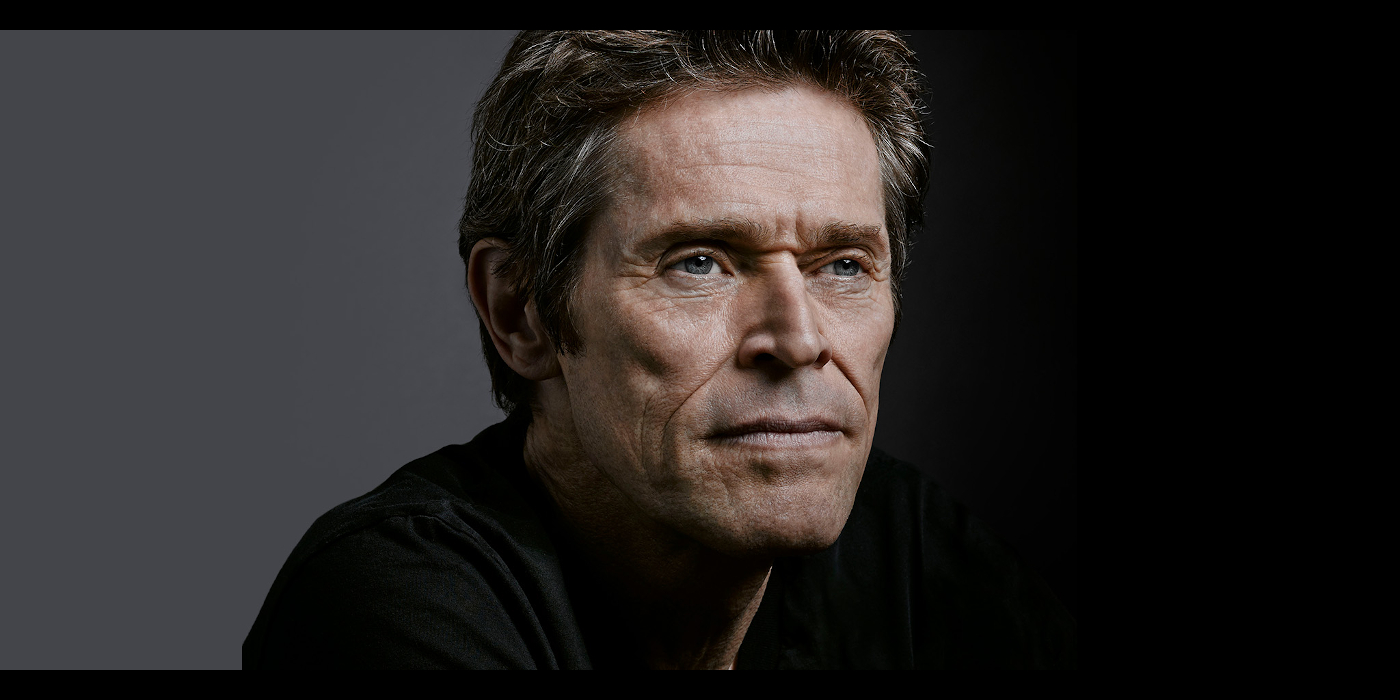
“Conversation with” at the 20th Marrakech IFF, interview with actor Willem Dafoe Bénédicte Prot
 play_arrow
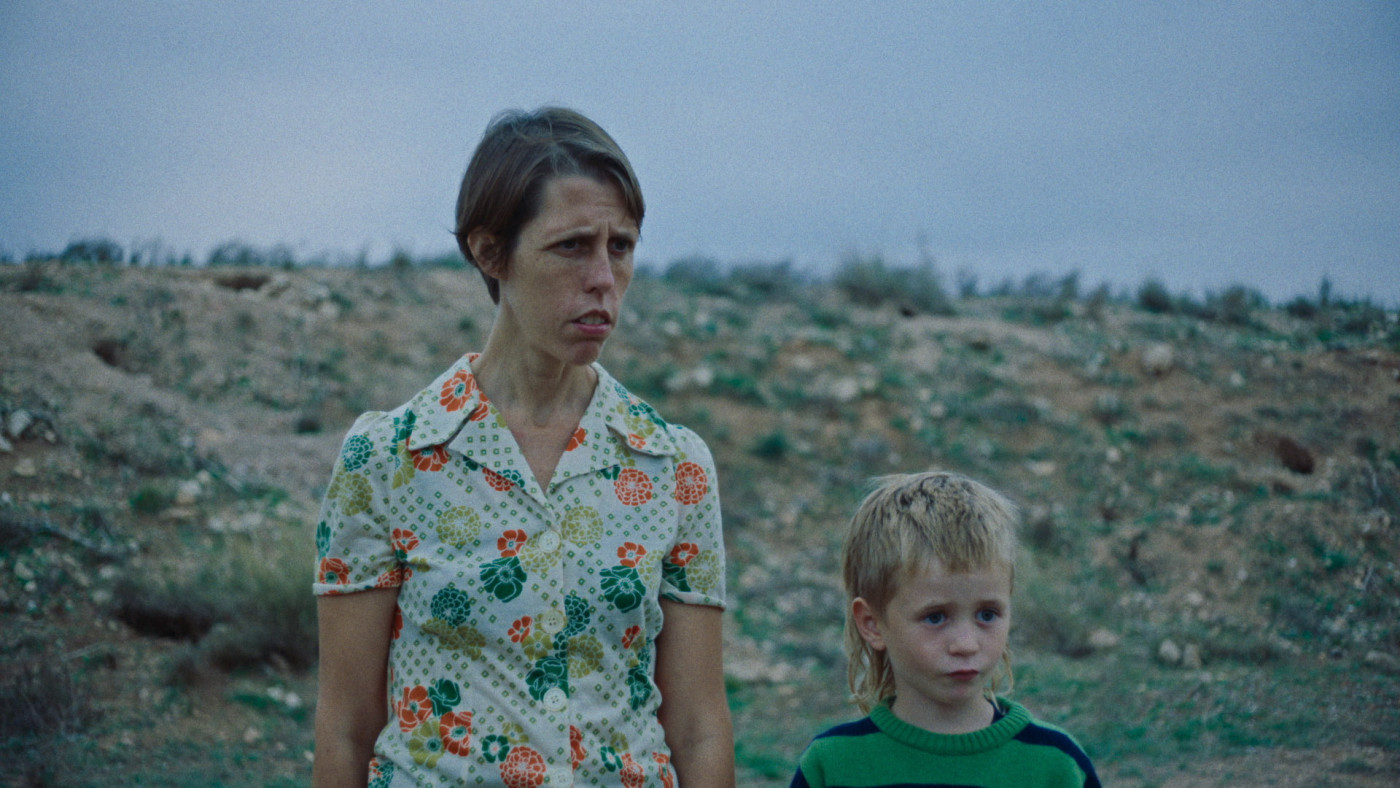
"Nobody Barks", interview with director Júlia Coldwell Serra Federica Scarpa
Selected for Future Frames at the Karlovy Vary International Film Festival 2026, Júlia Coldwell Serra brings Nobody Barks, a darkly comic short that explores guilt, family ties and emotional avoidance through an increasingly absurd premise. Presented as her final master’s project, the film follows Candela, a middle-aged woman who accidentally runs over her young nephew’s dog. Unable to tell him the truth, she invents an extraordinary story: the dog has left on a pilgrimage to a sacred tree, and together they set out to find it.
The premise is both humorous and unsettling, allowing the director to examine why people lie, especially when deception is motivated by love rather than selfishness. “There is something very human about lying because it is so closely connected to guilt,” Coldwell Serra explains. “We usually lie because we have good intentions and we don’t want other people to get hurt.” As Candela’s invention grows beyond her control, the film gradually shifts between comedy, melancholy and emotional tension, refusing to settle into a single emotional register.
Rather than pursuing strict realism, Coldwell Serra embraces absurdity to reach emotional truth. For her, humour is not simply entertainment but a narrative tool that expands the possibilities of storytelling. A non-naturalistic approach allows her to establish the film’s own internal rules, creating space to address grief, guilt and responsibility without becoming didactic. “I wanted the tone to oscillate,” she says. “You don’t really know whether you should laugh, worry or cry, because life is like that. Tragedies and beautiful things don’t arrive in a convenient order.” The comedy of Nobody Barks rarely comes from punchlines. Instead, it emerges from discomfort, awkwardness and the increasingly impossible situation Candela creates for herself. Coldwell Serra also admits that humour reflects her own way of dealing with difficult moments. “Humour has always been a coping mechanism for me,” she says. “It felt like the most honest way to tell this story.”
The filmmaker deliberately chose to set the story in the region where she grew up. Beginning with a place she knew intimately gave her a solid emotional foundation before she allowed herself to move into more imaginative territory. She believes that authenticity comes from embracing the local rather than trying to make stories universally recognisable from the outset. The international journey of Nobody Barks has only reinforced that conviction. “The more local and the more specific you become,” she reflects, “the more universal the film can be.” Instead of smoothing away cultural details, she trusted that honesty would resonate beyond geographical boundaries.
The role of Candela was written specifically for Laia Cabrera, whom Coldwell Serra had met while working on another production. Even before the screenplay was completed, she knew she wanted the actress to embody the character. What fascinated her was not only Cabrera’s talent, but the quiet mystery of her screen presence. “There is something about her face that makes you start asking questions beyond what is happening in the film,” the director explains. That ambiguity proved essential for a protagonist whose motivations remain deliberately difficult to define. Candela’s guilt, tenderness and desperation coexist throughout the film without ever being fully explained, giving the audience space to interpret her actions.
Looking back on the journey of Nobody Barks, Coldwell Serra admits she never expected the short to travel so widely after waiting nearly a year for its first premiere. Its success ultimately confirmed something she had suspected while making it: originality comes from trusting instinct rather than trying to anticipate expectations. Many readers of the screenplay struggled to imagine the unusual tone she had in mind, but she chose to follow her own vision rather than make it more conventional. “I learned not to be afraid of taking risks,” she says. “It was the most authentic film I could make.” That lesson is one she hopes to carry into her future work.
For Coldwell Serra, being selected for Future Frames has been both an educational and deeply personal experience. Sharing the programme with nine emerging filmmakers from across Europe, attending masterclasses and exchanging ideas about filmmaking has strengthened her optimism about the future of European cinema.”We really bonded as a group,” she says. “It’s inspiring to meet so many people who are trying to make films with the same passion. It gives me hope for the future of cinema.”
We all know that lying doesn’t pay. But lying to your young nephew is a far greater risk to take. This is something that middle-aged Candela learns first-hand. How to deal with the fact that she ran over the boy’s dog while not ruining his birthday? Maybe, just maybe, dogs don’t die – instead, they head off every now and then on a pilgrimage to a sacred dog tree. Nobody Barks is a dark and at times absurd comedy about family ties, little white lies, and how even bad things can sometimes lead to good.
Half-moon director Hae-Sup Sin at Future Frames 2026. A short film about adoption, cultural identity and two mothers discovering that love can be shared rather than divided.
Sister of Mine director André Vaara at Future Frames 2026. A quiet short story about siblings, identity, and childhood perception.
Dissection of an incoherence in crisis, a Catalan but universal story world premiering at the 8th Future Frames at the KVIFF
Terézia Halamová discusses Dog and Wolf at Karlovy Vary, a bold short film exploring identity, loss, and emotional chaos.
Edinburgh Spanish Film Festival
Marian Arechega, director of the vibrant Edinburgh Spanish Film Festival, discusses the 2026 edition programme, showcasing recent and diverse cinema from Spain.
Nicolas Winding Refn on Her Private Hell, his first feature in ten years, in Italian cinemas from October 1.
Discover how EWIP - European Work in Progress connects European and African films with top buyers, boosting distribution and festival success.
Rome is once again expanding the scope of its Film Fest: thirteen days of cinema, international premieres, renowned auteurs, emerging talent, series, documentaries, and cinematic heritage—with Javier Bardem, Paolo Genovese, and Monica Vitti at the heart of an edition that …