

Marrakech International Film Festival
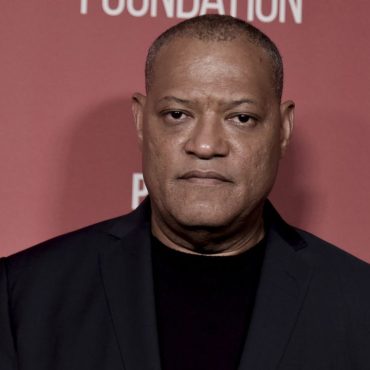
Interview with actor Laurence Fishburne
Laurence Fishburne's interview explores his iconic roles, influences, and future projects—revealing insights into acting, Black cinema, and his evolving creative journey.
Listeners:
Top listeners:
 play_arrow
ENGLISH Channel 01 If English is your language, or a language you understand, THIS IS YOUR CHANNEL !
 play_arrow
ITALIAN Channel 02 Se l’italiano è la tua lingua, o una lingua che conosci, QUESTO È IL TUO CANALE!
 play_arrow
EXTRA Channel 03 FRED Film Radio channel used to broadcast press conferences, seminars, workshops, master classes, etc.
 play_arrow
GERMAN Channel 04 Wenn Ihre Sprache Deutsch ist, oder Sie diese Sprache verstehen, dann ist das IHR KANAL !
 play_arrow
POLISH Channel 05
 play_arrow
SPANISH Channel 06 Si tu idioma es el español, o es un idioma que conoces, ¡ESTE ES TU CANAL!
 play_arrow
FRENCH Channel 07 Si votre langue maternelle est le français, ou si vous le comprenez, VOICI VOTRE CHAINE !
 play_arrow
PORTUGUESE Channel 08
 play_arrow
ROMANIAN Channel 09 Dacă vorbiţi sau înţelegeţi limba română, ACESTA ESTE CANALUL DUMNEAVOASTRĂ!
 play_arrow
SLOVENIAN Channel 10
 play_arrow
ENTERTAINMENT Channel 11 FRED Film Radio Channel used to broadcast music and live shows from Film Festivals.
 play_arrow
BULGARIAN Channel 16 Ако българският е вашият роден език, или го разбирате, ТОВА Е ВАШИЯТ КАНАЛ !
 play_arrow
CROATIAN Channel 17 Ako je hrvatski tvoj jezik, ili ga jednostavno razumiješ, OVO JE TVOJ KANAL!
 play_arrow
LATVIAN Channel 18
 play_arrow
DANISH Channel 19
 play_arrow
HUNGARIAN Channel 20
 play_arrow
DUTCH Channel 21
 play_arrow
GREEK Channel 22
 play_arrow
CZECH Channel 23
 play_arrow
LITHUANIAN Channel 24
 play_arrow
SLOVAK Channel 25
 play_arrow
ICELANDIC Channel 26 Ef þú talar, eða skilur íslensku, er ÞETTA RÁSIN ÞÍN !
 play_arrow
INDUSTRY Channel 27 FRED Film Radio channel completely dedicated to industry professionals.
 play_arrow
EDUCATION Channel 28 FRED Film Radio channel completely dedicated to film literacy.
 play_arrow
SARDU Channel 29 Si su sardu est sa limba tua, custu est su canale chi ti deghet!
 play_arrow
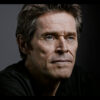
“Conversation with” at the 20th Marrakech IFF, interview with actor Willem Dafoe Bénédicte Prot
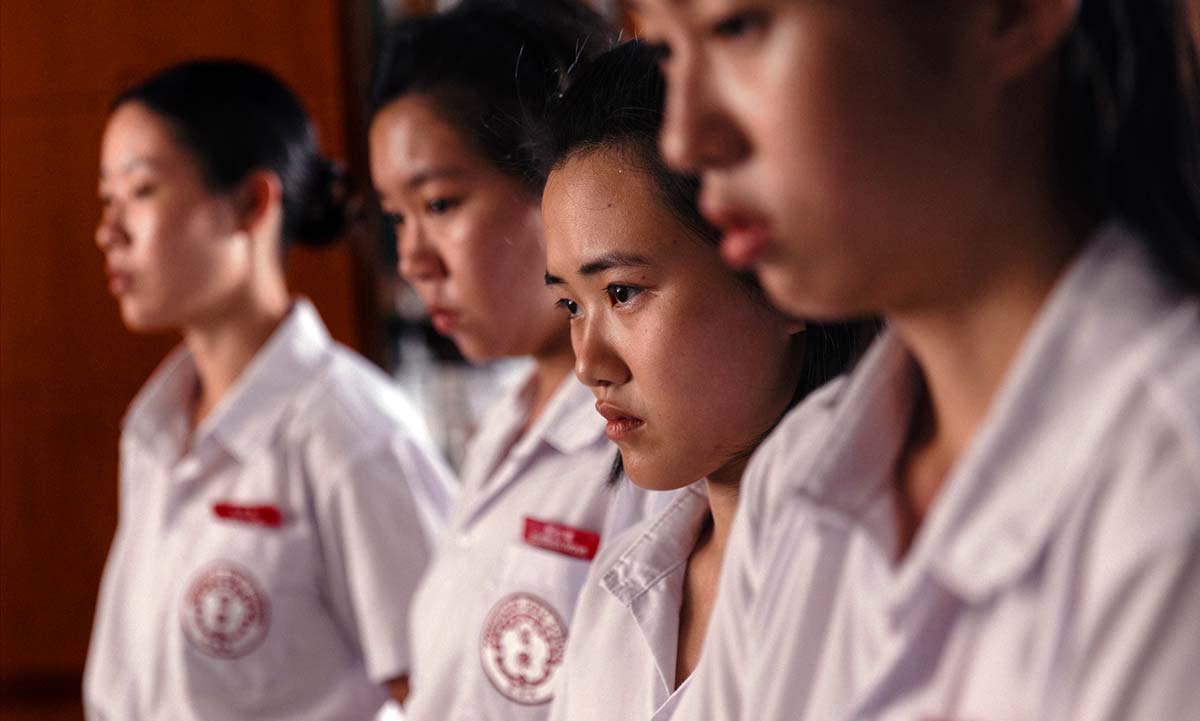
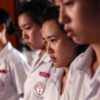
“Amoeba” is a compelling film that delves into themes of youth, societal control, and rebellion through the lens of a dystopian environment. Centered around four young girls forming a non-violent but revolutionary gang, the film explores how these girls carve out their own identity amid societal pressures, making the Amoeba a symbolic beacon of resistance. We talk about this and more with the director Tan Siyou.
“Amoeba” sets its story in a school environment portraying a dystopian aesthetic that is both eerie and thought-provoking. The striking use of white and antiseptic visuals reflects a future society that affirms purity and order, reminiscent of a factory producing future citizens. This environment highlights the suppression of individualism, echoing the director’s reflections on growing up in a conformist system where societal values often overshadow personal freedom. The film’s dystopian look serves as a powerful backdrop to the girls’ quest for agency and self-expression.
“Amoeba” is more than just a title—it symbolizes resilience and the ability to adapt in a restrictive world. The girls’ friendship and their creation of a secret world through a camcorder demonstrate a subtle but potent form of rebellion against authoritarian control. The choice to set the story without modern smartphones indicates a nostalgic and experimental approach, reflecting on the importance of preserving old traditions and resisting societal erasure. Through these elements, the Amoeba becomes an emblem of youthful defiance and cultural preservation amid a rapidly changing society.
Sixteen-year-old tomboy Choo Xin Yu seems like a misfit when she joins a highly competitive, elite all-girls school in Singapore. But she quickly befriends three others who share her rebellious nature. While the girls struggle to fit in, they pledge loyalty to each other and vow to start a gang as a form of resistance. When their rebellious acts — recorded by the girls on a camcorder — are discovered by their teacher, their lives are upended. What keeps haunting Choo may be more than just the ghost she suspects is in her room.
Marrakech International Film Festival
Laurence Fishburne's interview explores his iconic roles, influences, and future projects—revealing insights into acting, Black cinema, and his evolving creative journey.
Marrakech International Film Festival
"El Sett", the sumptuous film by Marwan Hamed reveals how music and culture thrive amid challenges, showcasing resilience and rich traditions in a captivating, behind-the-scenes look. The astounding life of Umm Kulthum is told through a personal and intimate lens.
Marrakech International Film Festival
Patricia Arquette, member of the jury at Marrakech IFF 2024: discover what she shares about her experience at the prestigious festival.
Marrakech International Film Festival
The tension in "The Order", says Justin Kurzel, comes from Jude Law's character running out of time to prevent Bob Mathews from achieving the kind of destiny that he is wanting.
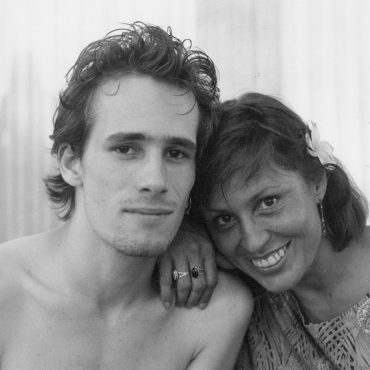
"It’s never over: Jeff Buckley" by Amy Berg is finally coming out in Italy thanks to Nexo
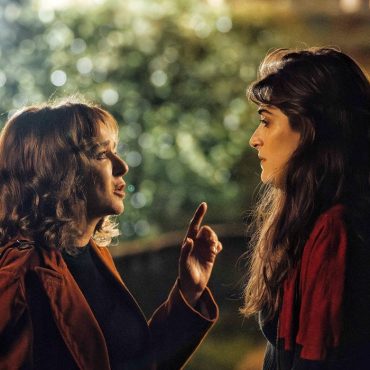
"A Brief Affair" actress Valeria Golino reflects on challenging roles, artistic freedom and bringing writer Goliarda Sapienza to life in "Fuori".
"A Brief Affair": Ludovica Rampoldi on turning a love triangle into a seductive psychological thriller at Cinema Made in Italy.
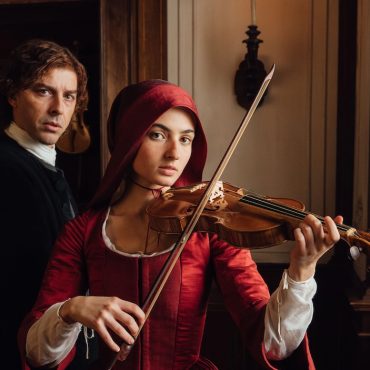
“Primavera”: Damiano Michieletto discusses Vivaldi, freedom and the power of music in his Venice-set historical debut.