
“The Thing With Feathers”: A Haunting Meditation on Grief and Hope at the Berlinale
At the 75th Berlinale, "The Thing With Feathers" is more than a film about grief; it is an experience led by Benedict Cumberbatch’s haunting performance.
Listeners:
Top listeners:
 play_arrow
ENGLISH Channel 01 If English is your language, or a language you understand, THIS IS YOUR CHANNEL !
 play_arrow
ITALIAN Channel 02 Se l’italiano è la tua lingua, o una lingua che conosci, QUESTO È IL TUO CANALE!
 play_arrow
EXTRA Channel 03 FRED Film Radio channel used to broadcast press conferences, seminars, workshops, master classes, etc.
 play_arrow
GERMAN Channel 04 Wenn Ihre Sprache Deutsch ist, oder Sie diese Sprache verstehen, dann ist das IHR KANAL !
 play_arrow
POLISH Channel 05
 play_arrow
SPANISH Channel 06 Si tu idioma es el español, o es un idioma que conoces, ¡ESTE ES TU CANAL!
 play_arrow
FRENCH Channel 07 Si votre langue maternelle est le français, ou si vous le comprenez, VOICI VOTRE CHAINE !
 play_arrow
PORTUGUESE Channel 08
 play_arrow
ROMANIAN Channel 09 Dacă vorbiţi sau înţelegeţi limba română, ACESTA ESTE CANALUL DUMNEAVOASTRĂ!
 play_arrow
SLOVENIAN Channel 10
 play_arrow
ENTERTAINMENT Channel 11 FRED Film Radio Channel used to broadcast music and live shows from Film Festivals.
 play_arrow
BULGARIAN Channel 16 Ако българският е вашият роден език, или го разбирате, ТОВА Е ВАШИЯТ КАНАЛ !
 play_arrow
CROATIAN Channel 17 Ako je hrvatski tvoj jezik, ili ga jednostavno razumiješ, OVO JE TVOJ KANAL!
 play_arrow
LATVIAN Channel 18
 play_arrow
DANISH Channel 19
 play_arrow
HUNGARIAN Channel 20
 play_arrow
DUTCH Channel 21
 play_arrow
GREEK Channel 22
 play_arrow
CZECH Channel 23
 play_arrow
LITHUANIAN Channel 24
 play_arrow
SLOVAK Channel 25
 play_arrow
ICELANDIC Channel 26 Ef þú talar, eða skilur íslensku, er ÞETTA RÁSIN ÞÍN !
 play_arrow
INDUSTRY Channel 27 FRED Film Radio channel completely dedicated to industry professionals.
 play_arrow
EDUCATION Channel 28 FRED Film Radio channel completely dedicated to film literacy.
 play_arrow
SARDU Channel 29 Si su sardu est sa limba tua, custu est su canale chi ti deghet!
 play_arrow
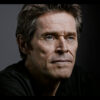
“Conversation with” at the 20th Marrakech IFF, interview with actor Willem Dafoe Bénédicte Prot
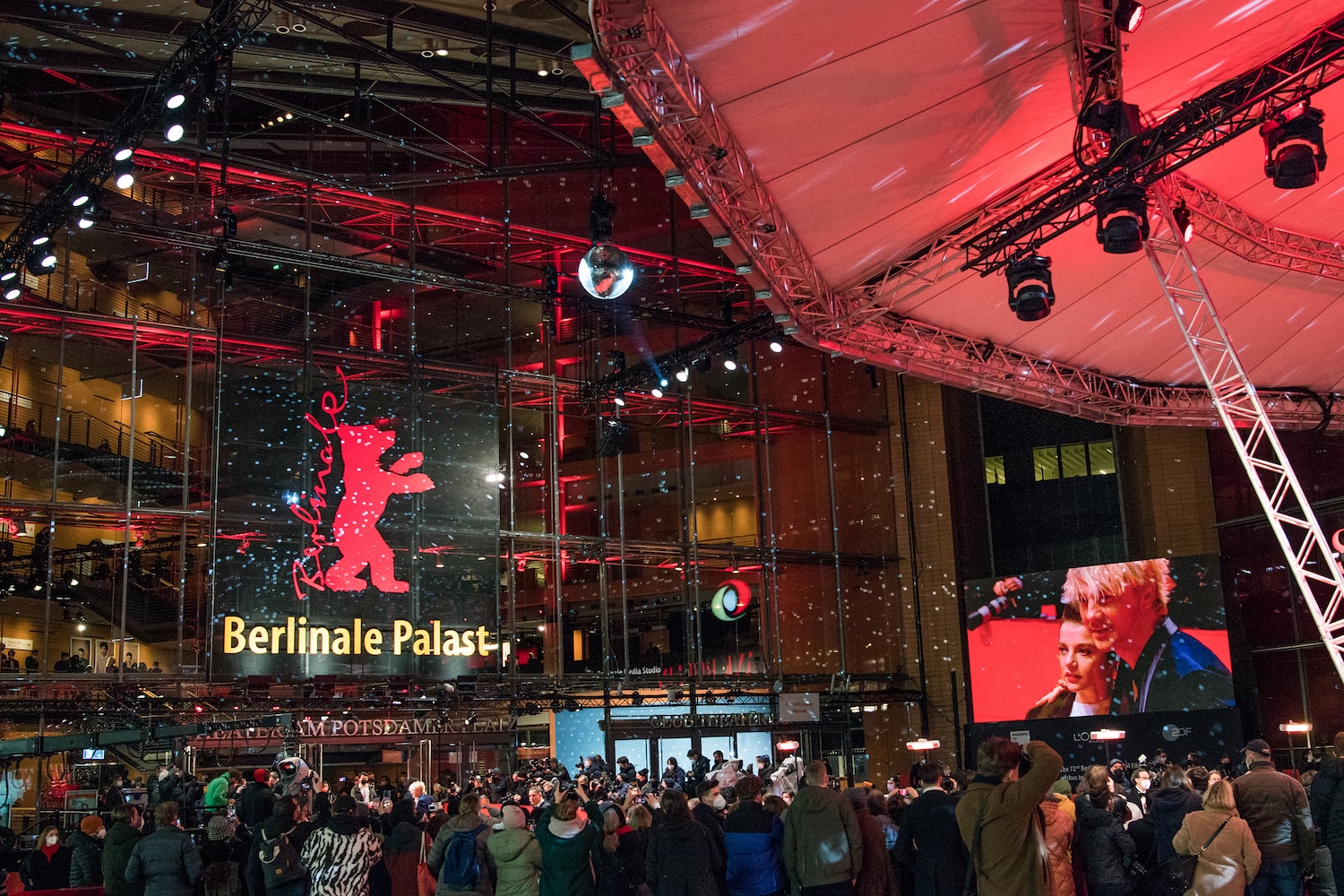
With the programme for the 76th Berlin International Film Festival unveiled, festival director Tricia Tuttle further clarified the direction of her tenure. The Berlinale, she noted, is inseparable from Berlin itself: a festival shaped by the city’s density of stories, histories and audiences curious about art, culture and community.
Running from February 12 to 22, 2026, the festival draws from more than 8,000 submissions worldwide. The resulting programme spans all of the Berlinale’s core sections, combining high-profile titles with formally adventurous work and a strong commitment to first features.
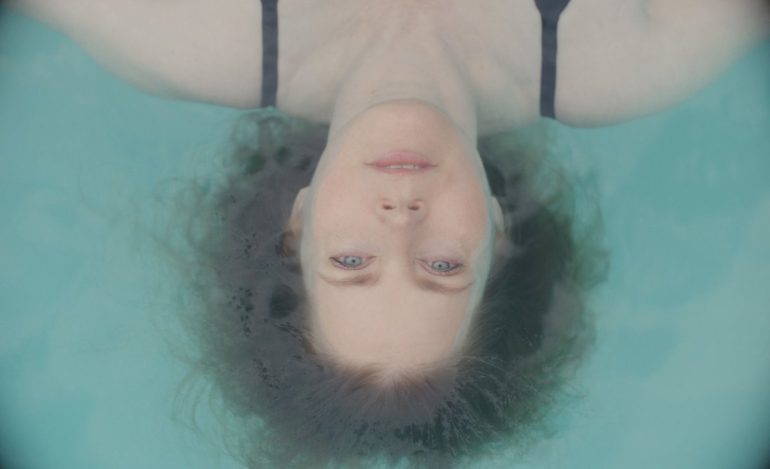
The Competition remains the festival’s focal point, with 22 films from 28 countries, including 20 world premieres. Tuttle described the line-up as one marked by contrast and confidence, ranging across satire, genre cinema, psychological drama, animation, documentary form and a western sensibility.
Among the most anticipated titles is At the Sea by Kornél Mundruczó, starring Amy Adams as a woman returning to her family’s beach house after a period in rehab. Karim Aïnouz’s Rosebush Pruning brings together Callum Turner, Riley Keough, Jamie Bell, Elle Fanning and Pamela Anderson in one of the Competition’s most internationally cast productions.
German-language cinema features prominently with Rose by Markus Schleinzer, starring Sandra Hüller in one of her first major roles following the international success of Anatomy of a Fall and The Zone of Interest. The Golden and Silver Bears will be awarded on February 21 by the jury chaired by Wim Wenders.
Several directors with an established relationship with the Berlinale are back in Competition. Warwick Thornton presents Wolfram, a period Western set in 1930s Australia, centred on three Aboriginal children fleeing forced labour in the wolfram mines. Thornton’s return follows The New Boy, screened in Berlin in 2023, and continues his engagement with Indigenous histories through genre-inflected storytelling.
İlker Çatak also returns with Yellow Letters, his first feature since The Teacher’s Lounge, which premiered quietly in Berlin before gaining international attention. Set in Turkey, the new film shifts geographical focus while maintaining Çatak’s interest in ethical conflict and social responsibility.
World cinema extends beyond Europe and North America with titles such as Alain Gomis’ Dao, which moves between France and Guinea-Bissau through family rituals, and Soumsoum, the Night of the Stars by Mahamat-Saleh Haroun. Haroun’s film follows a woman disturbed by recurring visions, further cementing the director’s status as one of the most significant voices in contemporary African cinema.
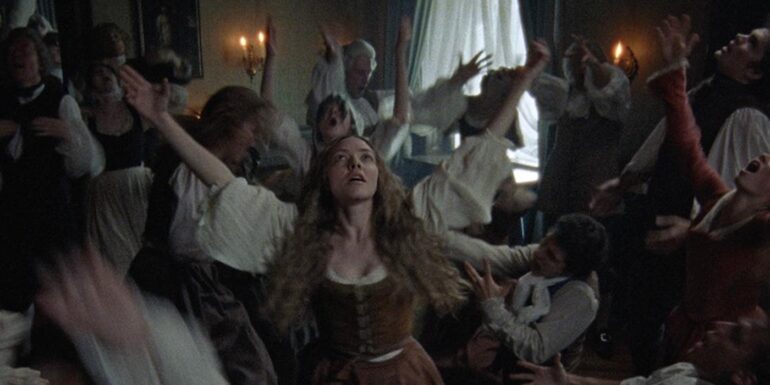
Berlinale Special continues to function as a bridge between cinephile exploration and broader audience appeal. Curated with attention to different viewing habits, the section moves from gala premieres to genre-driven midnight screenings and documentary forms.
Among the Berlinale Special Gala titles is The Weight, the debut feature by Padraic McKinley, starring Ethan Hawke and Russell Crowe, presented as an international premiere. Noah Segan’s The Only Living Pickpocket in New York brings together John Turturro, Steve Buscemi, Giancarlo Esposito and Tatiana Maslany. At the same time, Mona Fastvold’s The Testament of Ann Lee, with Amanda Seyfried and Thomasin McKenzie, screens as a German premiere.
European cinema is represented by Ulrike Ottinger’s Die Blutgräfin (The Blood Countess), featuring Isabelle Huppert and Birgit Minichmayr, which receives its world premiere in Berlin. Genre spectacle arrives with Gore Verbinski’s Good Luck, Have Fun, Don’t Die, starring Sam Rockwell and Juno Temple. The Berlinale Special Midnight slot includes The Ballad of Judas Priest, a documentary by Sam Dunn and Tom Morello dedicated to the legendary heavy metal band.
Now in its second year, the section continues to function as a space for discovery, with films from 22 production countries and a strong presence of female directors.
Highlights include Animol, the feature debut by UK actor and musician Ashley Walters, A Prayer for the Dying by Dara Van Dusen, a world-premiere debut starring Johnny Flynn and John C. Reilly, and Assaf Machnes’ Where To?, set in Berlin and structured around encounters between a Palestinian Uber driver and a young Israeli passenger. The section reinforces the festival’s commitment to debut cinema at a moment when access to production and distribution remains increasingly fragile.
Reflecting on the section, Tuttle underlined how the reception of Perspectives in 2025 confirmed the importance of festivals as places where emerging filmmakers can gain visibility and momentum.
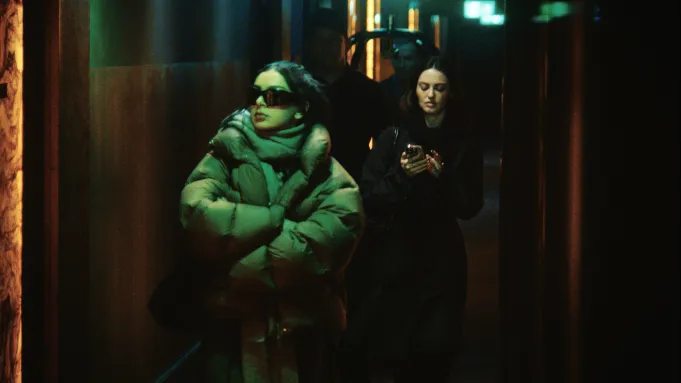
Other sections deepen the programme’s thematic and formal range. Panorama, described by section head Michael Stütz as “full of contrast,” brings together visually diverse films shaped by emotional depth and a strong sense of composition. Among them is The Moment by Aidan Zamiri, a debut feature starring Charli XCX and Alexander Skarsgård.
Generation invites younger audiences to engage with cinema as a space for imagination and debate, while Forum is framed as one of the most overtly political editions in recent years. As section head Barbara Wurm observed, the programme confronts issues such as colonial legacies, violence and social injustice through a broad spectrum of cinematic forms, balanced by works of self-exploration.
Throughout the presentation, Tuttle returned to the broader ecosystem surrounding independent film. She spoke openly about the pressures facing arthouse cinemas, distributors and exhibitors, emphasising that festivals must actively support those willing to take risks on non-mainstream work.
At the same time, she framed the Berlinale as a place where visibility and discovery coexist. The presence of well-known performers on the red carpet, she suggested, does not dilute the festival’s mission but can instead draw attention to emerging filmmakers and unfamiliar cinematic forms.
With its 2026 programme, the Berlinale positions itself once again as a festival negotiating between cultural responsibility and international attention, an approach that remains central to its identity.
At the 75th Berlinale, "The Thing With Feathers" is more than a film about grief; it is an experience led by Benedict Cumberbatch’s haunting performance.
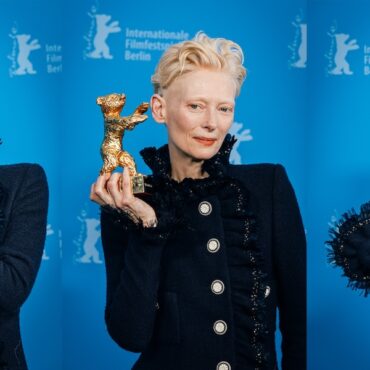
The Honorary Golden Bear of the 75th. Berlinale, Tilda Swinton shares her thoughts on career, cinema, and filmmaking.
The 75th Berlinale shines with Tom Tykwer’s opening, Tilda Swinton’s Golden Bear, and films from Richard Linklater, Bong Joon Ho, James Mangold, Todd Haynes, Marion Cotillard, and more!
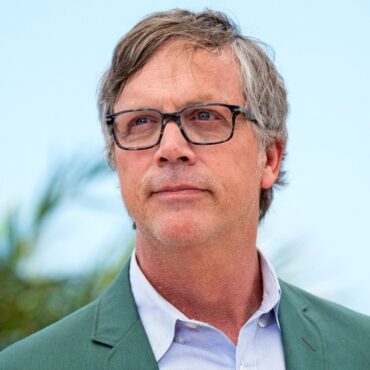
Todd Haynes, acclaimed filmmaker behind hits like Carol and Far from Heaven, will lead the jury at the 75th Berlinale.
Giorgio Gosetti, critic and festival organiser, founder of the Noir in Festival and a key figure in the Venice Days, has died in Rome.
Peter Jackson riceverà la Palma d’Oro onoraria alla 79ª edizione del Festival de Cannes, riconoscimento per una carriera che ha trasformato il cinema epico.
Peter Jackson will receive the Honorary Palme d’Or at the opening of the 79th Cannes Film Festival, honoring his transformative impact on global cinema.
Winner of 4 César awards, after Cannes and Rome Film Festival, Nouvelle Vague finally lands Italian cinemas.