
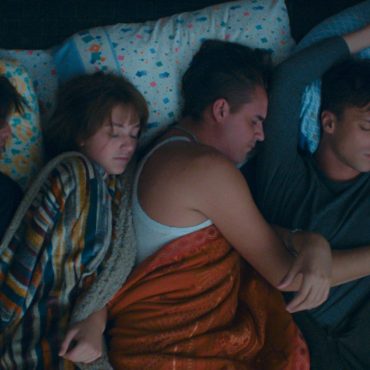
“A Year of School”, interview with director Laura Samani
“A Year of School”: Laura Samani discusses desire, masculinity and teenage friendships in her coming-of-age film at Cinema Made in Italy.
Listeners:
Top listeners:
 play_arrow
ENGLISH Channel 01 If English is your language, or a language you understand, THIS IS YOUR CHANNEL !
 play_arrow
ITALIAN Channel 02 Se l’italiano è la tua lingua, o una lingua che conosci, QUESTO È IL TUO CANALE!
 play_arrow
EXTRA Channel 03 FRED Film Radio channel used to broadcast press conferences, seminars, workshops, master classes, etc.
 play_arrow
GERMAN Channel 04 Wenn Ihre Sprache Deutsch ist, oder Sie diese Sprache verstehen, dann ist das IHR KANAL !
 play_arrow
POLISH Channel 05
 play_arrow
SPANISH Channel 06 Si tu idioma es el español, o es un idioma que conoces, ¡ESTE ES TU CANAL!
 play_arrow
FRENCH Channel 07 Si votre langue maternelle est le français, ou si vous le comprenez, VOICI VOTRE CHAINE !
 play_arrow
PORTUGUESE Channel 08
 play_arrow
ROMANIAN Channel 09 Dacă vorbiţi sau înţelegeţi limba română, ACESTA ESTE CANALUL DUMNEAVOASTRĂ!
 play_arrow
SLOVENIAN Channel 10
 play_arrow
ENTERTAINMENT Channel 11 FRED Film Radio Channel used to broadcast music and live shows from Film Festivals.
 play_arrow
BULGARIAN Channel 16 Ако българският е вашият роден език, или го разбирате, ТОВА Е ВАШИЯТ КАНАЛ !
 play_arrow
CROATIAN Channel 17 Ako je hrvatski tvoj jezik, ili ga jednostavno razumiješ, OVO JE TVOJ KANAL!
 play_arrow
LATVIAN Channel 18
 play_arrow
DANISH Channel 19
 play_arrow
HUNGARIAN Channel 20
 play_arrow
DUTCH Channel 21
 play_arrow
GREEK Channel 22
 play_arrow
CZECH Channel 23
 play_arrow
LITHUANIAN Channel 24
 play_arrow
SLOVAK Channel 25
 play_arrow
ICELANDIC Channel 26 Ef þú talar, eða skilur íslensku, er ÞETTA RÁSIN ÞÍN !
 play_arrow
INDUSTRY Channel 27 FRED Film Radio channel completely dedicated to industry professionals.
 play_arrow
EDUCATION Channel 28 FRED Film Radio channel completely dedicated to film literacy.
 play_arrow
SARDU Channel 29 Si su sardu est sa limba tua, custu est su canale chi ti deghet!
 play_arrow
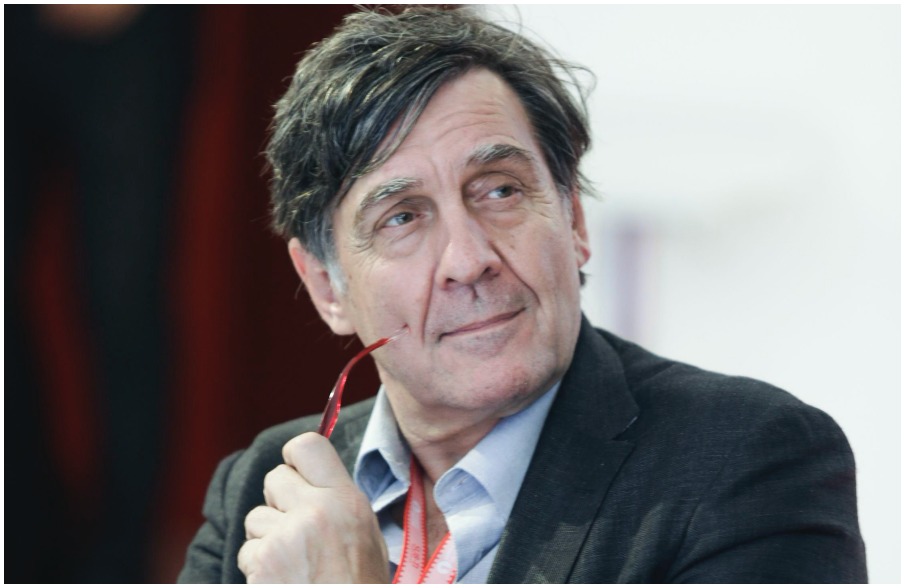
“Conversation with” at the 20th Marrakech IFF, interview with actor Willem Dafoe Bénédicte Prot
Carolina Hellsgård – director – Wanja
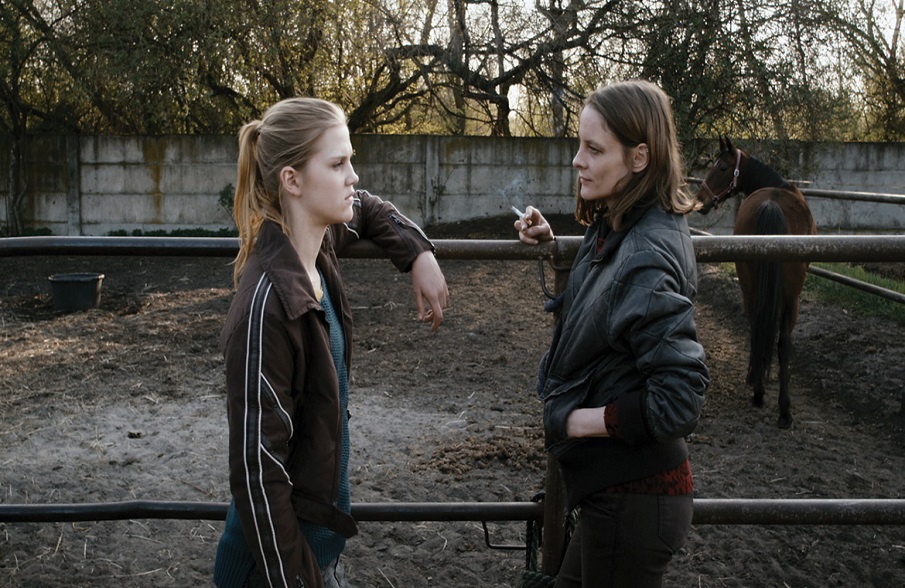
FRED’s Matt Micucci interviews Carolina Hellsgard, director of the film WANJA, which screened at the 60th edition of the Cork Film Festival.
WANJA is the first feature by Hellsgaard, so she talks about how the transition from short to feature was. We also talk about her aims at achieving a type of minilalistic cinema that does not try to manipulate a viewer’s emotions through, for instance, fancy editing or music – Carolina also took over on the editing during post production.
We talk about her relationship with the cast, and the various influences that helped shape her feature, as well as her future project, which she is currently working on and her more general thoughts on female representation in cinema today.
WANJA: The former bank robber Wanja is released from a long prison sentence. As her feelings of loneliness escalate, Wanja sets out to find work and hereby a new identity. Against all odds she lands an internship at a horse race track. In the stable she gets to know the troubled teenager Emma, and a strong friendship develops between the two women. When Emma slips deeper into her own drug abuse, Wanja decides to rescue her.
“A Year of School”: Laura Samani discusses desire, masculinity and teenage friendships in her coming-of-age film at Cinema Made in Italy.
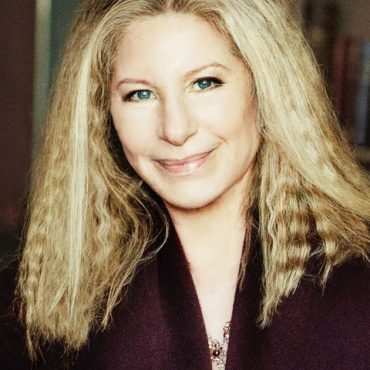
Barbra Streisand will receive the Honorary Palme d’Or at the 79th Festival de Cannes, celebrating a groundbreaking career across cinema, music and cultural life.
The call for the 14th edition of Final Cut in Venice has opened, supporting films in post-production from Africa and the Middle East.
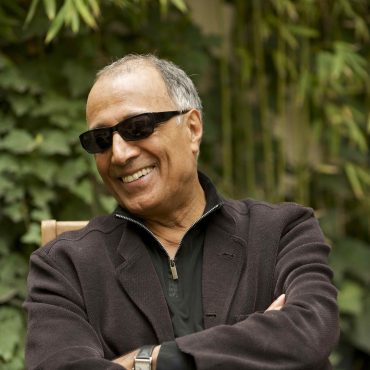
At the 44 BFM an Homage to Abbas Kiarostami on the Tenth Anniversary of His Passing