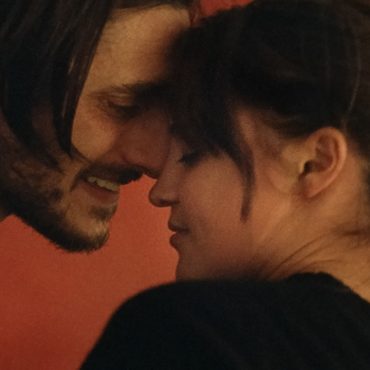

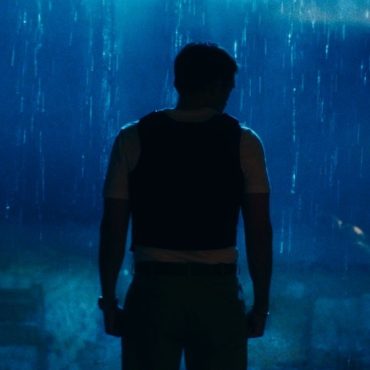
“Primetime”, interview with actors Skyler Gisondo, Merritt Wever and Bokeem Woodbine
At the 83th Venice Film Festival 2026, Skyler Gisondo, Merritt Wever and Bokeem Woodbine on stepping into the circus of Primetime
Listeners:
Top listeners:
 play_arrow
ENGLISH Channel 01 If English is your language, or a language you understand, THIS IS YOUR CHANNEL !
 play_arrow
ITALIAN Channel 02 Se l’italiano è la tua lingua, o una lingua che conosci, QUESTO È IL TUO CANALE!
 play_arrow
EXTRA Channel 03 FRED Film Radio channel used to broadcast press conferences, seminars, workshops, master classes, etc.
 play_arrow
GERMAN Channel 04 Wenn Ihre Sprache Deutsch ist, oder Sie diese Sprache verstehen, dann ist das IHR KANAL !
 play_arrow
POLISH Channel 05
 play_arrow
SPANISH Channel 06 Si tu idioma es el español, o es un idioma que conoces, ¡ESTE ES TU CANAL!
 play_arrow
FRENCH Channel 07 Si votre langue maternelle est le français, ou si vous le comprenez, VOICI VOTRE CHAINE !
 play_arrow
PORTUGUESE Channel 08
 play_arrow
ROMANIAN Channel 09 Dacă vorbiţi sau înţelegeţi limba română, ACESTA ESTE CANALUL DUMNEAVOASTRĂ!
 play_arrow
SLOVENIAN Channel 10
 play_arrow
ENTERTAINMENT Channel 11 FRED Film Radio Channel used to broadcast music and live shows from Film Festivals.
 play_arrow
BULGARIAN Channel 16 Ако българският е вашият роден език, или го разбирате, ТОВА Е ВАШИЯТ КАНАЛ !
 play_arrow
CROATIAN Channel 17 Ako je hrvatski tvoj jezik, ili ga jednostavno razumiješ, OVO JE TVOJ KANAL!
 play_arrow
LATVIAN Channel 18
 play_arrow
DANISH Channel 19
 play_arrow
HUNGARIAN Channel 20
 play_arrow
DUTCH Channel 21
 play_arrow
GREEK Channel 22
 play_arrow
CZECH Channel 23
 play_arrow
LITHUANIAN Channel 24
 play_arrow
SLOVAK Channel 25
 play_arrow
ICELANDIC Channel 26 Ef þú talar, eða skilur íslensku, er ÞETTA RÁSIN ÞÍN !
 play_arrow
INDUSTRY Channel 27 FRED Film Radio channel completely dedicated to industry professionals.
 play_arrow
EDUCATION Channel 28 FRED Film Radio channel completely dedicated to film literacy.
 play_arrow
SARDU Channel 29 Si su sardu est sa limba tua, custu est su canale chi ti deghet!
 play_arrow
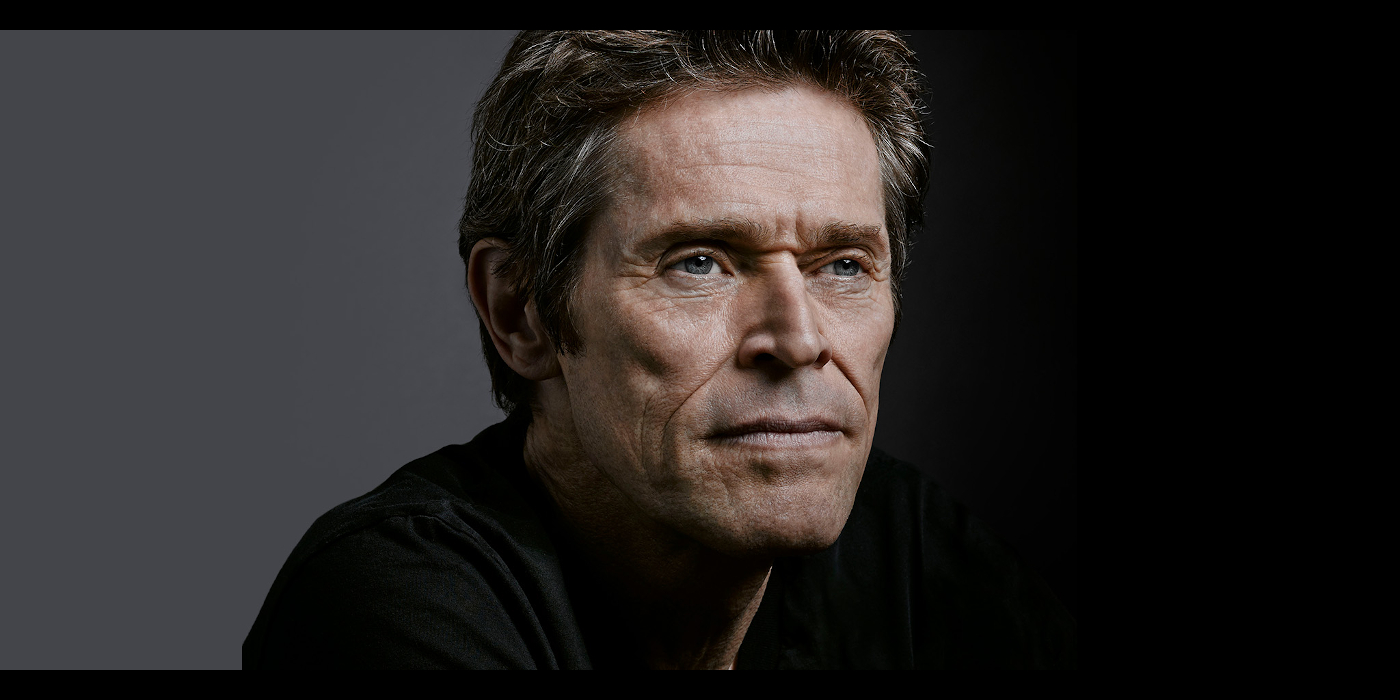
“Conversation with” at the 20th Marrakech IFF, interview with actor Willem Dafoe Bénédicte Prot
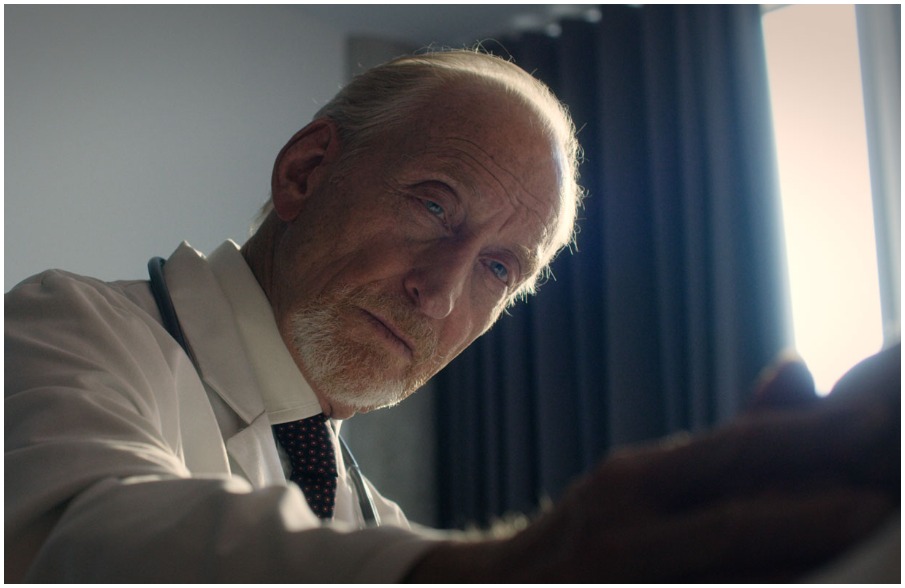
PODCAST | Chiara Nicoletti interviews Charles Dance, actor of the film The Book of Vision.
We learned to fear him as Tywin Lannister in Game of Thrones and now british actor Charles Dance, is at the 77th Venice Film festival as the protagonist of Venice Critic’s week opening film: The Book of Vision by Carlo Hintermann. In the film produced by Terrence Malick and debut feature by documentarist Carlo Hinterman, Charles Dance plays two characters, two doctors with a different approach to medicine, one belonging to the past and one acting in the present. The one from the past, John Ammuth can cure patients by listening to them, by reading their bodies and fantasies. This way he’s putting the basis for what we call today: narrative medicine. Charles Dance describes his roles and gives his opinion on this very interesting approach to medicine and more generally on how our minds can affect our bodies and how “we can make ourselves sick”. The actor also comments on the film’s depiction of the connection between life and death. Is there life beyond death? Do we really have to know? answers Dance. The secret, according to Dance is to be optimistic.
The Book of Vision: Eva, a doctor and student of the history of medicine, discovers a manuscript by Johan Anmuth, an 18th century physician. In his Book of Vision, Anmuth focuses on the feelings, fears and dreams of over 1800 of his patients, whose spirits still wander through the pages. Immersing herself in these tales and visions, Eva questions the separation of the past, present and future, while confronting the challenges of modern medicine and its limitations with respect to her own body.
At the 83th Venice Film Festival 2026, Skyler Gisondo, Merritt Wever and Bokeem Woodbine on stepping into the circus of Primetime
In competition at the 83° Venice Film Festival, Luca Marinelli and Alicia Vikander on The Echo Chamber, inheriting Bernardo Bertolucci's screenplay and the traces we leave in each other's life
Listen Global Critics Venice Voice! Exclusive and thoughtful conversations with leading international film critics, and in-depth analysis of the most anticipated films of the Venice International Film Festival 2026.
Across The Bridge: your daily podcast on Venice Production Bridge 2026 — key events, discussions and insider access to the film market.