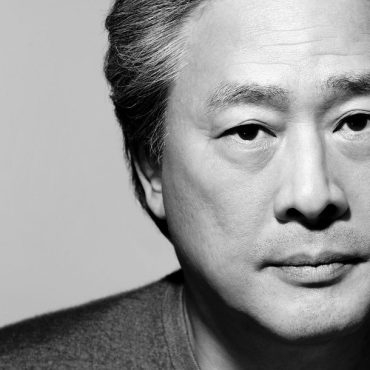
Neo Sora, Director, “Happyend”, in section orizzonti – An evocative exploration of friendship, rebellion, and the complexities of youth in a precarious world.
Neo Sora: Friendship as the central theme in “Happyend”
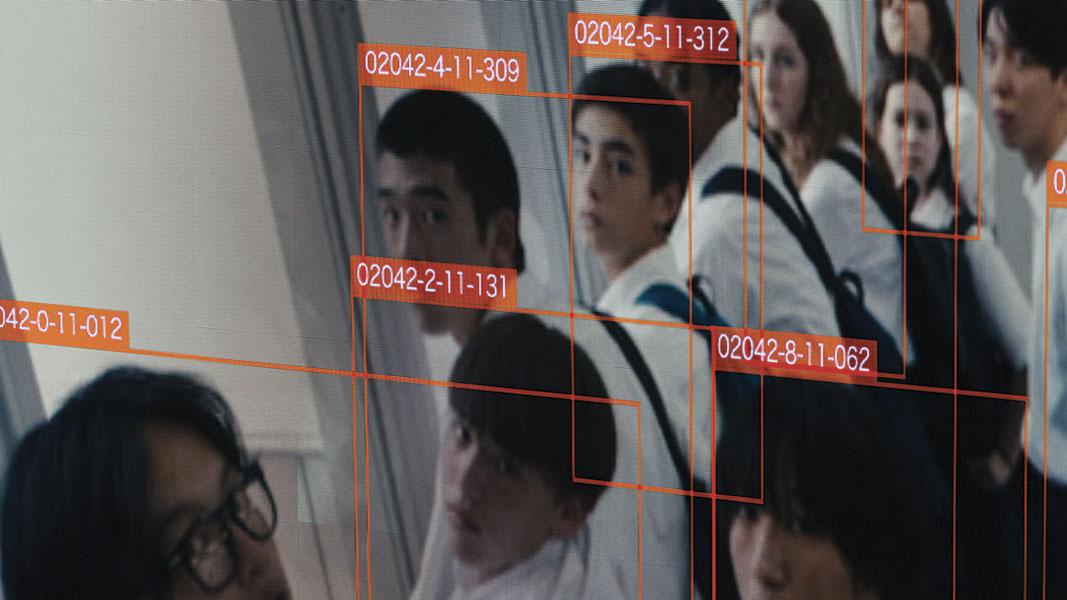
In this interview, Neo Sora, the director of “Happyend“, Orizzonti section, takes us through the emotional and thematic heart of his film, which explores the transformative moments between two best friends, Yuta and Kou, as they navigate the complexities of adolescence in a near-future Tokyo. The film unfolds against the backdrop of impending chaos triggered by a prank that leads to the installation of a surveillance system in their school.
The ambiguity of friendship
Sora emphasizes that friendship is central to the film’s narrative, describing it as an ambiguous and evolving relationship. “To me, friendship is one of the most important aspects of life. My friendships during high school and university shaped who I am today, and I owe everything to my friends,” he explains. However, the director acknowledges that, unlike other relationships, such as those with family or partners, friendship lacks explicit rules, leading to unpredictable dynamics. “This ambiguity can lead to misunderstandings, even among those who care deeply for one another,” Sora reflects.
Tension between friendship and social pressures
The film portrays the tension that arises when Kou becomes frustrated with the oppressive environment created by the school’s new surveillance system, while Yuta remains largely unaware of the surrounding sociopolitical realities. “This contrast between their responses to the situation highlights the different paths that young people may take when confronted with social pressures,” Sora notes. Kou’s political awareness begins to develop after meeting a passionate student activist, leading the film to explore the emotional weight of their long-standing friendship and forcing them to confront differences they had never expressed before.
Rebellion and cinematic influences
During the interview, Sora draws parallels between his film and classic works centered on youth rebellion. He cites Rebel Without a Cause and the Taiwanese New Wave as key influences: “The characters in my film are rebels in their own right, albeit not in the traditional sense. Their rebellion manifests differently, depending on how society pressures them.” Sora‘s ability to channel the energy of these foundational films, while adding humor and contemporary relevance, enriches the exploration of youth culture in the film.
From a cinematic perspective, “Happyend” employs striking visual storytelling that amplifies the emotional arcs of the characters. Sora discusses the importance of lighting and practical effects, especially in crucial scenes that illustrate the state of their friendship. “The dangling light represents the instability of Yuta and Kou’s relationship,” he explains. The film captures moments of tension and uncertainty, marking shifts in their friendship, similar to the looming threat of an earthquake—a physical representation of their emotional turmoil.
The director reflects on the collaborative process with director of photography Billy Kirstein, noting that their long history of working together significantly influenced the film’s visual style. “Billy and I know each other very well, and we share many cinematic influences. It was crucial to create a world that felt deeply personal and intricate while also maintaining the broader social commentary of the film,” Sora articulates.
A reflection of generational struggles
As the film progresses, the dynamics between the characters evolve, and Sora captures this development through purposeful cinematography. While the focus is on Yuta and Kou, their interactions also reflect the broader social context, adding layers of depth to the narrative. “The challenges they face are not unique to them; they reflect the turbulent reality of their generation,” he observes.
“Happyend“ also emphasizes the emotional undercurrents of today’s youth, addressing issues related to identity, rebellion, and social expectations. Sora explains, “Many young people face pressures that force them to choose between conformity and authenticity. This journey is essential for individual growth.” The film stands as a testament to the complex nature of friendship, the challenges of youth, and the shifting political landscape they navigate.
In conclusion, “Happyend” is a poignant portrayal of adolescence and transformation, set in a world fraught with social and political tensions. Through Neo Sora‘s nuanced direction, the film invites viewers to reflect on their own journeys, friendships, and the society they inhabit. The intricate storytelling, combined with powerful performances, creates a compelling narrative that resonates on multiple levels.
play_arrow
“Happyend,” interview with Director Neo SoraLaura Della Corte
Best friends Yuta and Kou are on the brink of graduating from high school in a near-future Tokyo where the threat of a catastrophic earthquake casts a shadow over daily life. One night, they play a prank on their principal with unexpected consequences, leading to the installation of a surveillance system in the school. As the oppressive security measures take hold and the national political situation darkens, Kou grows increasingly frustrated with the world, while Yuta remains seemingly unaware. Kou finds an empathetic ear in a passionate student activist, and his political awareness begins to blossom. Believing that Yuta would never understand his newfound interests, Kou starts to distance himself from his friend. For the first time in their lifelong friendship, the two are compelled to confront differences that they had never expressed before.
FRED Film Radio joins the many voices across the international film community in expressing its support for Tricia Tuttle and for the Berlinale, one of the world’s most vital spaces for cinematic dialogue and cultural exchange. As a media platform …