PODCAST | Chiara Nicoletti interviews Mohamed Diab, director of Clashfrom the Un Certain Regard section of the 69th Cannes Film Festival.
To listen to the interview, click on the ► icon on the right, just above the picture of the film
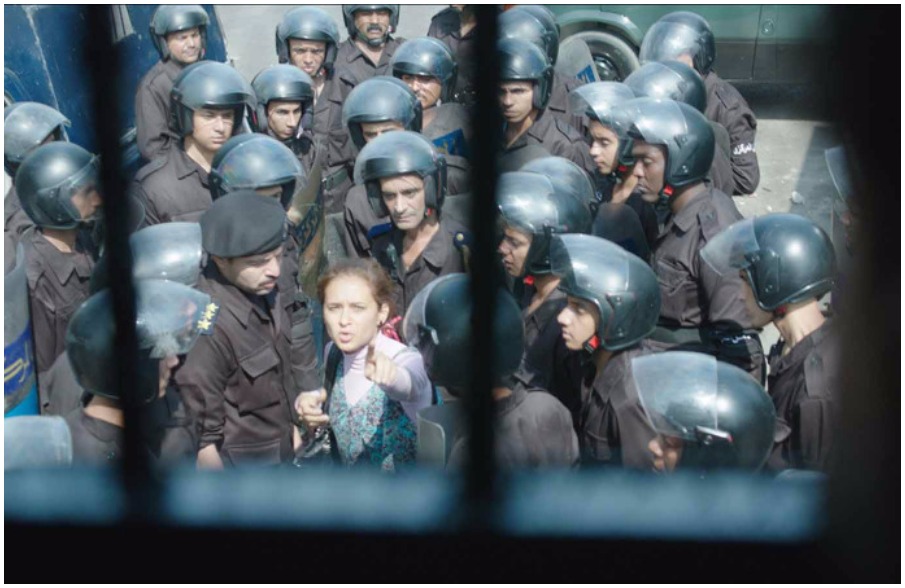
The opening film of the Un Certain Regard section of the 69th Cannes Film Festival, Clash, is a film is set two years after the Egyptian revolution and manages to portray impartially every political vision of modern Egypt.
Mohamed Diab is known for his directorial debut film Cairo 678, which was released a month before the Egyptian revolution, a drama about three women who unite to fight against the plague of male chauvinism in Cairo. As the director says in the interview, the situation in Egypt hasn’t changed and he hopes that films like this will open people’s eyes and minds.
CLASH: Cairo, summer of 2013 – two years after the Egyptian revolution. In the wake of the ouster of Islamist president Morsi, a police truck full of detained demonstrators of divergent political and religious backgrounds roams through violent protests. Can the detainees overcome their differences to stand a chance of survival?
A double victory for Woman Unknown, major prizes for established auteurs and a strong showing for political cinema, new talent and Italian performers. The complete verdict of the Venice Film Festival 2026.
Presented out of competition in the Open section of Venice 83, Theo Rollason and Peter Tatchell trace Derek Jarman's legacy and today's fight for LGBTQ+ rights in Queer Edward II
"Listy-Letters from the Silenced Country" by director Andrei Kutsila reveals intimate stories of Belarusian prisoners and exiles, giving voice to resilience and hope amid repression.
"Guria" by director Levan Koguashvili offers a captivating blend of humor and tragedy set in 90s Georgia, highlighting human resilience and authentic stories from post-Soviet times.