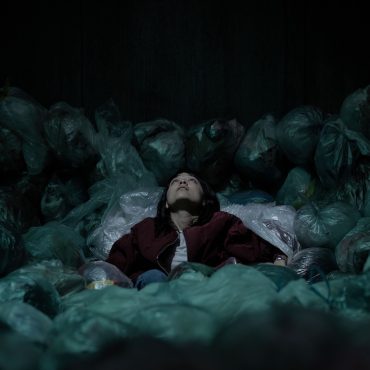
“Porte Bagage”, first feature film by Abdelkarim El-Fassi, is a family road movie that blends drama with tender moments to depict a family’s journey across cultural and emotional landscapes, from the Netherlands to Morocco.
More than a simple road movie
“Porte Bagage” is more than just a road movie; it’s a heartfelt narrative inspired by personal experience. The film explores the complex issues of caring for aging parents, especially within a cultural context that values collective responsibilities versus individual aspirations. As Abdelkarim El-Fassi explains, it’s about balancing personal dreams with familial duties, a theme many viewers can relate to deeply. The presence of “Porte Bagage” in the title highlights the emotional and cultural baggage carried through generations and borders, emphasizing the film’s universal relevance. This film captures the essence of familial bonds and cultural identity, making them a central motif for viewers to reflect on their own lives.
Themes and Character Dynamics
A key strength of “Porte Bagage” is its realistic portrayal of family dynamics during difficult decisions. The character of the sister exemplifies strength and resilience, challenging traditional gender roles often depicted in similar films. Her efforts to find a balance between caring for her father and pursuing her aspirations resonate strongly, especially for women in comparable cultural backgrounds. The film also delicately examines themes of death, loss, and emotional expression, particularly through scenes where women talk about grief more openly than men. These moments underscore the difference in emotional infrastructure between genders, highlighting the importance of listening and communication in healing. Such themes reinforce that “Porte Bagage” is a thoughtful exploration of both personal and cultural identity.
The Art of Filmmaking and Direction
Abdelkarim El-Fassi emphasizes a naturalistic approach in “Porte Bagage”, prioritizing authenticity over conventional Hollywood road movie tropes. Unlike typical genre expectations, the film spends significant time establishing the family’s environment in the Netherlands before embarking on their journey. Inspired by films like “Little Miss Sunshine” and “Captain Fantastic”, this movie features genuine dialogue and compelling performances that invite viewers to believe in the story. The on-set camaraderie and rehearsals fostered a familial atmosphere, contributing to the film’s authenticity. Abdelkarim El-Fassi‘s choice to give actors improvisation freedom and focus on detailed cinematography results in a believable and emotionally engaging experience. “Porte Bagage”, thus, encapsulates a heartfelt journey that combines cultural nuance with universal themes of family and sacrifice.
Plot
Noor lives with and cares for her stubborn father, Musa. When she’s offered her dream job as a chef in Paris, she faces a tough decision. So that her siblings will comprehend the seriousness of their father’s condition, Noor arranges an appointment with a neurologist. Musa is diagnosed with a progressive form of dementia, and Noor worries she’ll have to give up her chance of working in Paris if she continues to look after him. After the death of a close friend, Musa expresses his wish to return to Morocco. Initially sceptical, Noor starts to see this as a way out—helping her father go home while finally pursuing her own dreams of independence.