During the Cinema Made in Italy festival in London, Fred Film Radio spoke to director Laura Luchetti about her 1938 Turin-set coming-of-age story, adapted from the novel by Cesare Pavese.
She shared how, although she was intimidated by the prospect of attempting to put a literary masterpiece on the screen, she felt it was a risk worth taking, and the process of adaptation was dictated by those parts of the novel she thought were most compelling, namely the relationship between the two women in the story.
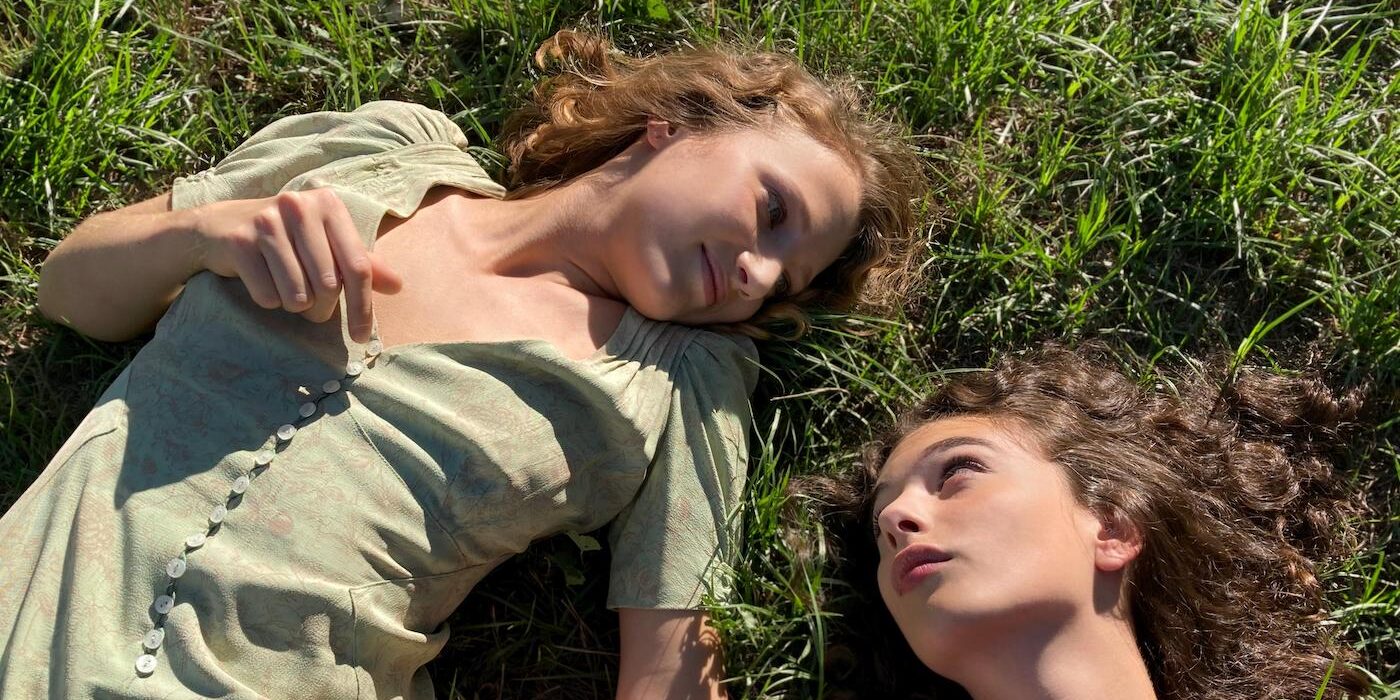
Laura Luchetti told us how she landed on her cast, particularly Yile Yara Vianello as Ginia, a timid but curious young woman experiencing her sexual awakening, and Deva Cassel as Amelia, a more worldly model, who opens Ginia up to a bohemian, artistic circle.
She further gave insight into creating the exacting aesthetic for the film, in which everything from the backdrops to the costumes ponders on the intoxicating beauty that Ginia is desperate to explore.
We also discussed how the narrative and its themes are very contemporary for a period piece, in terms of exploring female sexuality, agency over one’s body and the desire to be seen, and the resonance it can have with young audiences today.
“The Beautiful Summer” screened at Cinema Made In Italy, organised by Cinecittà.
Plot
Turin, 1938. Young Ginia has just moved from the countryside and the future seems to offer her endless possibilities. But the war is casting its shadows over the present. Desperate for adventure, Ginia begins an electric affair with a painter she meets in the dazzling artists’ world. The woman who leads her into the bohemian quarters is Amelia. Sensual and provocative, Amelia is not much older than Ginia, but different from anyone she has ever met and ready to shake her certainties. During her “beautiful summer”, Ginia will surrender to her first great love. She will finally give in to her overwhelming feelings, celebrating the courage to be truly herself.