

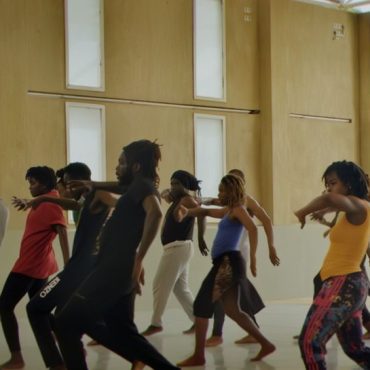
“Atcha Atcha”, interview with director Mamadou Dia
Atcha Atcha highlights the vibrant African dance scene and its fragile cultural roots, showcasing movement, identity, and the power of local expression.
Listeners:
Top listeners:
 play_arrow
ENGLISH Channel 01 If English is your language, or a language you understand, THIS IS YOUR CHANNEL !
 play_arrow
ITALIAN Channel 02 Se l’italiano è la tua lingua, o una lingua che conosci, QUESTO È IL TUO CANALE!
 play_arrow
EXTRA Channel 03 FRED Film Radio channel used to broadcast press conferences, seminars, workshops, master classes, etc.
 play_arrow
GERMAN Channel 04 Wenn Ihre Sprache Deutsch ist, oder Sie diese Sprache verstehen, dann ist das IHR KANAL !
 play_arrow
POLISH Channel 05
 play_arrow
SPANISH Channel 06 Si tu idioma es el español, o es un idioma que conoces, ¡ESTE ES TU CANAL!
 play_arrow
FRENCH Channel 07 Si votre langue maternelle est le français, ou si vous le comprenez, VOICI VOTRE CHAINE !
 play_arrow
PORTUGUESE Channel 08
 play_arrow
ROMANIAN Channel 09 Dacă vorbiţi sau înţelegeţi limba română, ACESTA ESTE CANALUL DUMNEAVOASTRĂ!
 play_arrow
SLOVENIAN Channel 10
 play_arrow
ENTERTAINMENT Channel 11 FRED Film Radio Channel used to broadcast music and live shows from Film Festivals.
 play_arrow
BULGARIAN Channel 16 Ако българският е вашият роден език, или го разбирате, ТОВА Е ВАШИЯТ КАНАЛ !
 play_arrow
CROATIAN Channel 17 Ako je hrvatski tvoj jezik, ili ga jednostavno razumiješ, OVO JE TVOJ KANAL!
 play_arrow
LATVIAN Channel 18
 play_arrow
DANISH Channel 19
 play_arrow
HUNGARIAN Channel 20
 play_arrow
DUTCH Channel 21
 play_arrow
GREEK Channel 22
 play_arrow
CZECH Channel 23
 play_arrow
LITHUANIAN Channel 24
 play_arrow
SLOVAK Channel 25
 play_arrow
ICELANDIC Channel 26 Ef þú talar, eða skilur íslensku, er ÞETTA RÁSIN ÞÍN !
 play_arrow
INDUSTRY Channel 27 FRED Film Radio channel completely dedicated to industry professionals.
 play_arrow
EDUCATION Channel 28 FRED Film Radio channel completely dedicated to film literacy.
 play_arrow
SARDU Channel 29 Si su sardu est sa limba tua, custu est su canale chi ti deghet!
 play_arrow
“Conversation with” at the 20th Marrakech IFF, interview with actor Willem Dafoe Bénédicte Prot
 play_arrow
"Coup de Chance", interview with director Woody Allen Chiara Nicoletti
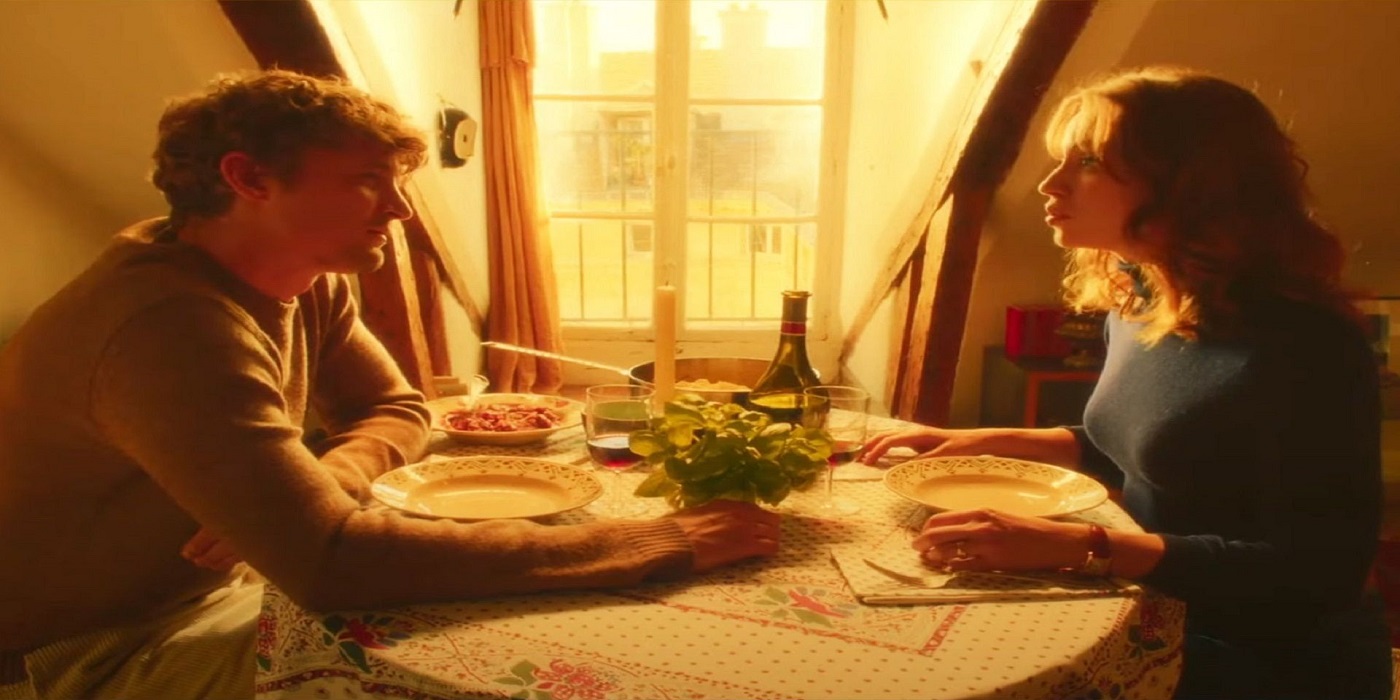
“This is my 50th movie. It was a great privilege to have made it in Paris and it’s a great honor to show it in Venice”, these are the enthusiastic words of director Woody Allen about his participation, out of competition, to the 80th Venice International Film Festival with “Coup de Chance”. The director of iconic films such as “Manhattan” and “Match Point”, confirms, through his first film in French, how “we are all very dependent on chance and luck in life, more than you think we are” as the fictional lives of Fanny (Lou de Laâge), Jean (Melvil Poupaud), Alain (Niels Schneider) and the mystery surrounding them, shows. Woody Allen also explains how he stays true to the core of his cinema while shooting in other countries, especially European ones like France, Italy and Spain: “These countries have very pronounced personalities and if I have a good idea for that country, I would certainly make a film about it”.
Coup de Chance is about the important role chance and luck play in our lives. Fanny and Jean look like the ideal married couple—they’re both professionally accomplished, they live in a gorgeous apartment in an exclusive neighborhood of Paris, and they seem to be in love just as much as they were when they first met.
But when Fanny accidentally bumps into Alain, a former high school classmate, she’s swept off her feet. They soon see each other again and get closer and closer...
Atcha Atcha highlights the vibrant African dance scene and its fragile cultural roots, showcasing movement, identity, and the power of local expression.
Giornate degli Autori - Venezia
Twenty-five world premieres, an international competition and a programme dedicated to Giorgio Gosetti define Giornate degli Autori 2026.
Seven debut features, four continents and cinema conceived as resistance: Venice Critics’ Week 2026 announces its complete programme.
The Venice Film Festival announces Danny Boyle's Ink as opening the festival, while Giovanni Veronesi's Dio ride will close the 83rd edition.