

“Her Private Hell”, interview with director Nicolas Winding Refn
Nicolas Winding Refn on Her Private Hell, his first feature in ten years, in Italian cinemas from October 1.
Listeners:
Top listeners:
 play_arrow
ENGLISH Channel 01 If English is your language, or a language you understand, THIS IS YOUR CHANNEL !
 play_arrow
ITALIAN Channel 02 Se l’italiano è la tua lingua, o una lingua che conosci, QUESTO È IL TUO CANALE!
 play_arrow
EXTRA Channel 03 FRED Film Radio channel used to broadcast press conferences, seminars, workshops, master classes, etc.
 play_arrow
GERMAN Channel 04 Wenn Ihre Sprache Deutsch ist, oder Sie diese Sprache verstehen, dann ist das IHR KANAL !
 play_arrow
POLISH Channel 05
 play_arrow
SPANISH Channel 06 Si tu idioma es el español, o es un idioma que conoces, ¡ESTE ES TU CANAL!
 play_arrow
FRENCH Channel 07 Si votre langue maternelle est le français, ou si vous le comprenez, VOICI VOTRE CHAINE !
 play_arrow
PORTUGUESE Channel 08
 play_arrow
ROMANIAN Channel 09 Dacă vorbiţi sau înţelegeţi limba română, ACESTA ESTE CANALUL DUMNEAVOASTRĂ!
 play_arrow
SLOVENIAN Channel 10
 play_arrow
ENTERTAINMENT Channel 11 FRED Film Radio Channel used to broadcast music and live shows from Film Festivals.
 play_arrow
BULGARIAN Channel 16 Ако българският е вашият роден език, или го разбирате, ТОВА Е ВАШИЯТ КАНАЛ !
 play_arrow
CROATIAN Channel 17 Ako je hrvatski tvoj jezik, ili ga jednostavno razumiješ, OVO JE TVOJ KANAL!
 play_arrow
LATVIAN Channel 18
 play_arrow
DANISH Channel 19
 play_arrow
HUNGARIAN Channel 20
 play_arrow
DUTCH Channel 21
 play_arrow
GREEK Channel 22
 play_arrow
CZECH Channel 23
 play_arrow
LITHUANIAN Channel 24
 play_arrow
SLOVAK Channel 25
 play_arrow
ICELANDIC Channel 26 Ef þú talar, eða skilur íslensku, er ÞETTA RÁSIN ÞÍN !
 play_arrow
INDUSTRY Channel 27 FRED Film Radio channel completely dedicated to industry professionals.
 play_arrow
EDUCATION Channel 28 FRED Film Radio channel completely dedicated to film literacy.
 play_arrow
SARDU Channel 29 Si su sardu est sa limba tua, custu est su canale chi ti deghet!
 play_arrow
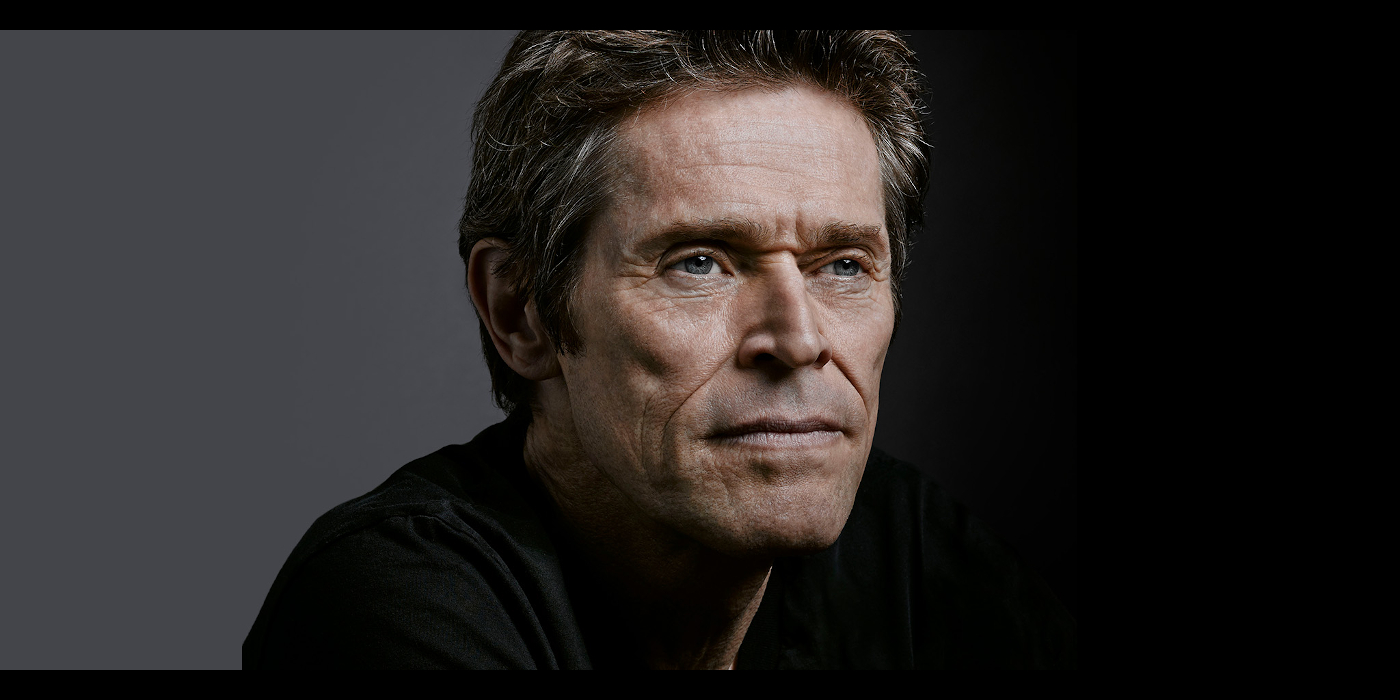
“Conversation with” at the 20th Marrakech IFF, interview with actor Willem Dafoe Bénédicte Prot
 play_arrow
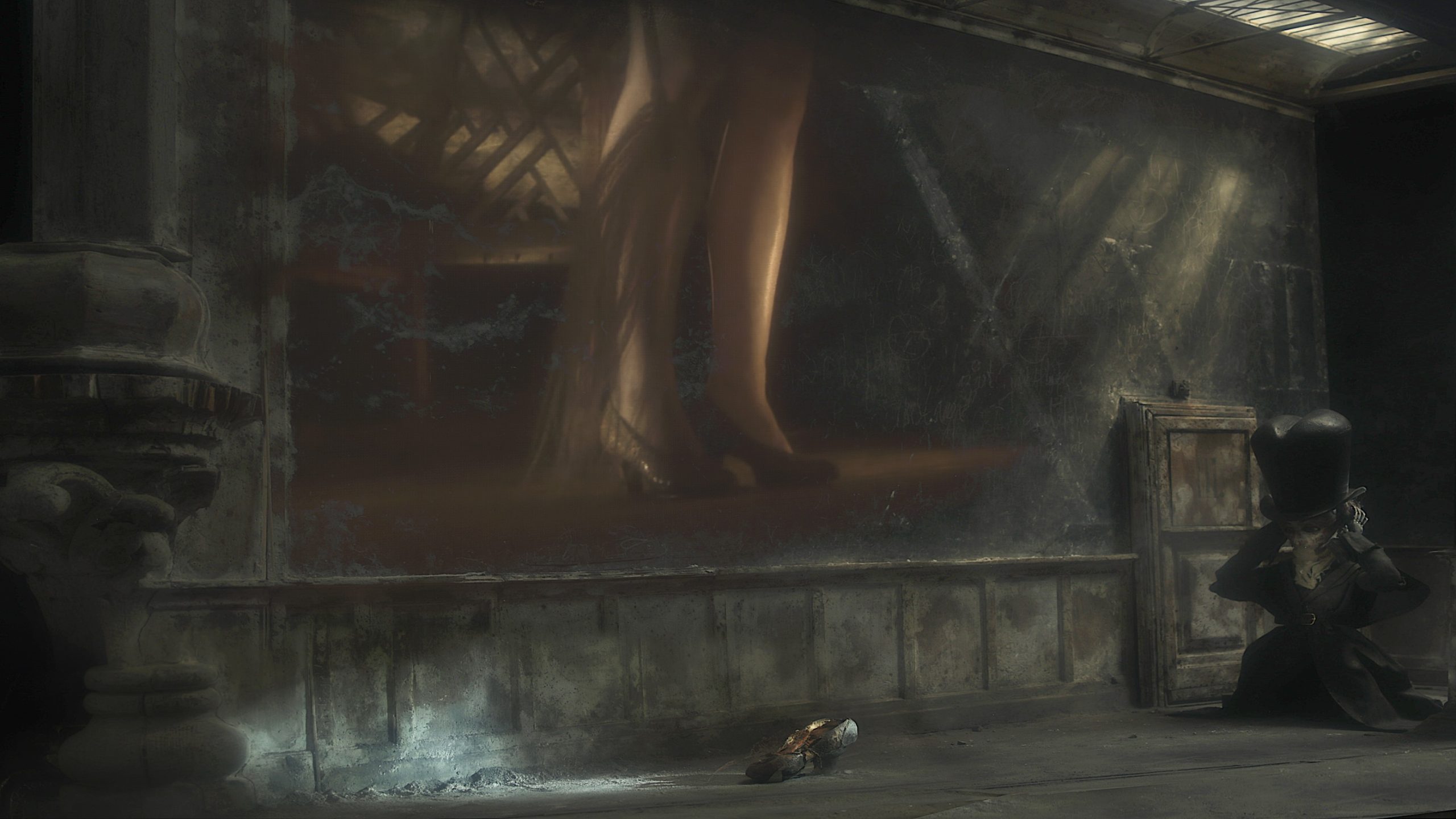
“Sanatorium Under the Sign of the Hourglass”, interview with directors Quay Brothers Laura Della Corte
In a engaging interview, the Quay Brothers, renowned directors, share their insights on their latest film in the Giornate degli Autori section, “Sanatorium Under the Sign of the Hourglass”, which draws profoundly from the writings of Bruno Schulz. The brothers elucidate that Schulz’s work, rich in its intricate blending of reality and fantasy, resonates deeply with them. They find inspiration in Schulz’s ability to evoke a dreamlike quality, which allows them to create a narrative that is both eerily familiar and beautifully surreal, mirroring the worlds Schulz crafted in his literary works.
The Quay Brothers highlight their unique technique of integrating puppetry with live-action, which vividly depicts Jozef’s journey through a labyrinth of memories and visions. This artistic choice reflects the dichotomy between reality and the dream state—one of the central themes in Schulz’s narrative. By employing puppets, they embody the concepts of transformation and fragmentation, core aspects of Jozef’s inner turmoil. As Schulz manipulates time and memory, the brothers manipulate physical forms, enhancing the viewer’s experience and reflection on overlapping realities.
Reflecting on their artistic evolution, the Quay Brothers credit their formal education at the Philadelphia College of Art and the Royal College of Art as foundational to their distinctive storytelling style. Their educational background provided them with a robust foundation in visual arts and design, encouraging experimentation beyond conventional narrative structures. Influenced by literary figures like Schulz and Kafka, they strive to create films that challenge traditional perceptions and push the boundaries of storytelling.
A notable element in “Sanatorium Under the Sign of the Hourglass” is the inclusion of an ‘optical box.’ The Quay Brothers explain that this object serves as a powerful metaphor for perception itself. It embodies the idea of looking beyond the surface—a recurring theme in Schulz’s work. As Jozef interacts with the Optical Box, he confronts his inner self and delves deep into the layers of memories that shape his identity. The poignant connection between the box and loss, echoed through the imagery of containing the deceased retina of its owner, aligns seamlessly with Schulz’s exploration of the haunting presence of the past.
Music is another cornerstone in the Quay Brothers‘ creative process. They describe music as a character within their films, instrumental in creating an emotional landscape that elevates the visual storytelling. Composers such as Karlheinz Stockhausen and Krzysztof Penderecki enhance the narrative depth in their projects. In the case of Schulz’s writing, rich with rhythm and nuance, music adds another layer of complexity, resonating with the multi-faceted experiences contained within both Schulz’s literary works and their film.
The conversation also touches on how their films seamlessly traverse various artistic realms, from theatre to live-action, which allows for an evolution that aligns with the themes of memory and identity found in Schulz’s writings. The Quay Brothers emphasize that their work will continually evolve, promising to delve deeper into how memories shape realities and identities, reflecting Schulz’s fragmented narrative style.
In conclusion, the Quay Brothers express their gratitude for the opportunity to discuss the intertwining of literature and film. By drawing from Bruno Schulz’s rich narratives, they illuminate new paths for understanding both his literature and their artistic vision. The exploration of themes such as memory and identity not only pays homage to Schulz but also enriches their filmmaking.
A ghostly train journey on a forgotten branch line transports a son, Jozef, visiting his dying Father in a remote Galician Sanatorium. Upon arrival Jozef finds the Sanatorium entirely moribund and run by a dubious Doctor Gotard who tells him that his father’s death, the death that has struck him in his country has not yet occurred, and that here they are always late by a certain interval of time of which the length cannot be defined. Jozef will come to realise that the Sanatorium is a floating world halfway between sleep and wakefulness and that time and events cannot be measured in any tangible form.
Nicolas Winding Refn on Her Private Hell, his first feature in ten years, in Italian cinemas from October 1.
Discover how EWIP - European Work in Progress connects European and African films with top buyers, boosting distribution and festival success.
Rome is once again expanding the scope of its Film Fest: thirteen days of cinema, international premieres, renowned auteurs, emerging talent, series, documentaries, and cinematic heritage—with Javier Bardem, Paolo Genovese, and Monica Vitti at the heart of an edition that …
Pascal Diot, directeur du Venice Production Bridge, sur 15 ans d'évolution et le nouveau VPB Location Market.