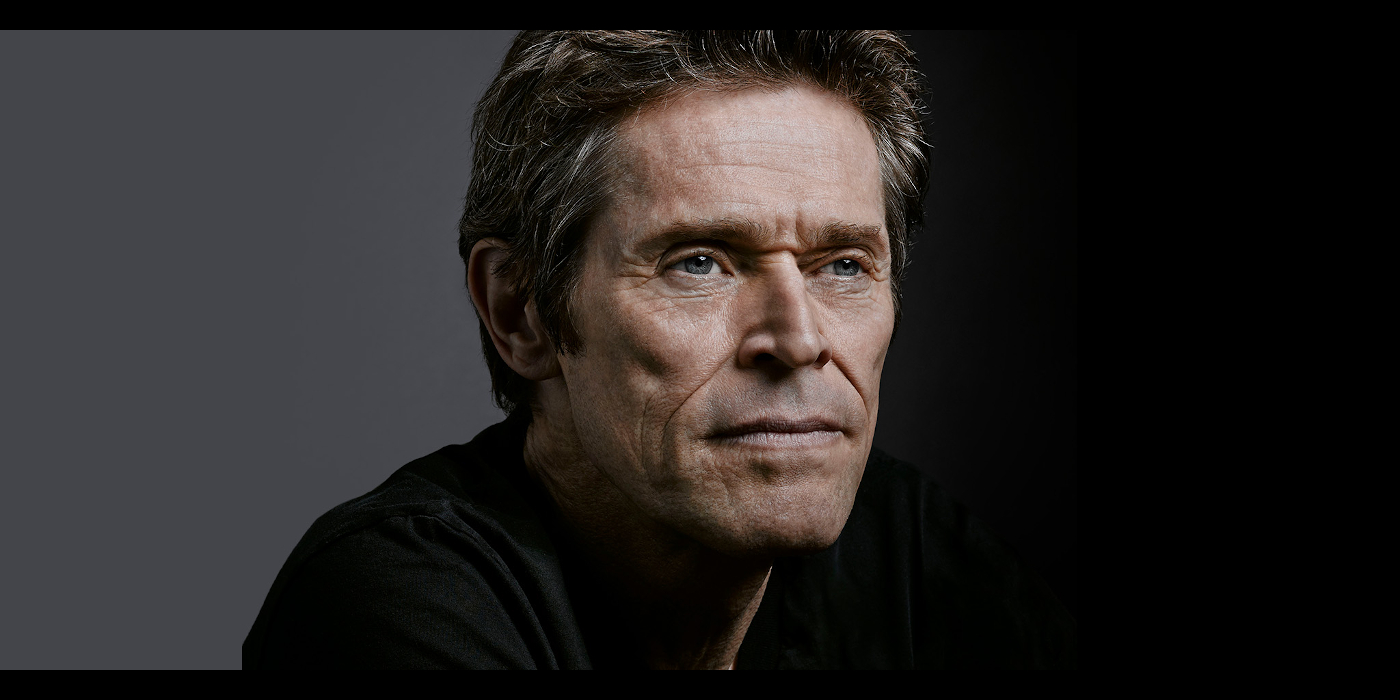
Director Mark Cousins presented The Story of Documentary Film (Part One) at the 67th Festival dei Popoli 2026 in Florence, where he also discussed memorable works from documentary cinema. The project follows his earlier explorations of film history, including The Story of Film: An Odyssey and Women Make Film.
Cousins’s reflections connect documentary practice to the way filmmakers observe and reshape the world, while also asking whose work is remembered.
The Story of Documentary Film at Festival dei Popoli 2026: the work of looking
For Cousins, documentary is closely tied to everyday life and the political realities societies face. Drawing on a statement by Gertrude Stein that imagination is observation combined with construction, he describes filmmaking as a process of examining the world outside of us and giving it a fresh form.
That approach, he argues, need not centre the filmmaker’s ego; its value lies in making the world newly visible. Documentary can also bring attention to people and histories that have been pushed out of view.
Recovering overlooked filmmakers in The Story of Documentary Film
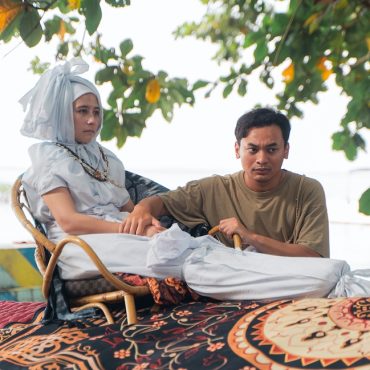
Cousins pointed to Iranian filmmaker Forugh Farrokhzad and her documentary The House Is Black as an example of cinema that deserves wider recognition. The film portrays the daily lives and bodies of people living with leprosy in Iran, combining a respectful gaze with poetic expression. Its relative obscurity raises questions about who shapes the history of cinema and which filmmakers receive attention.
He also recalled Pier Paolo Pasolini’s Sopralluoghi in Palestina as a formative work, particularly for its unconventional use of voice-over. Rather than illustrating a fixed script, Pasolini’s film grows from a search for locations and the reflections that follow when the search does not go as planned.
Cousins also praises the use of voice-over in film, especially, he says, “when unnecessary”, quoting Billy Wilder.
Cousins finds a connection between the Lumière brothers’ films and TikTok: both can capture ordinary activity and the immediacy of people enjoying the present, even if the platform has its own problems.
Plot
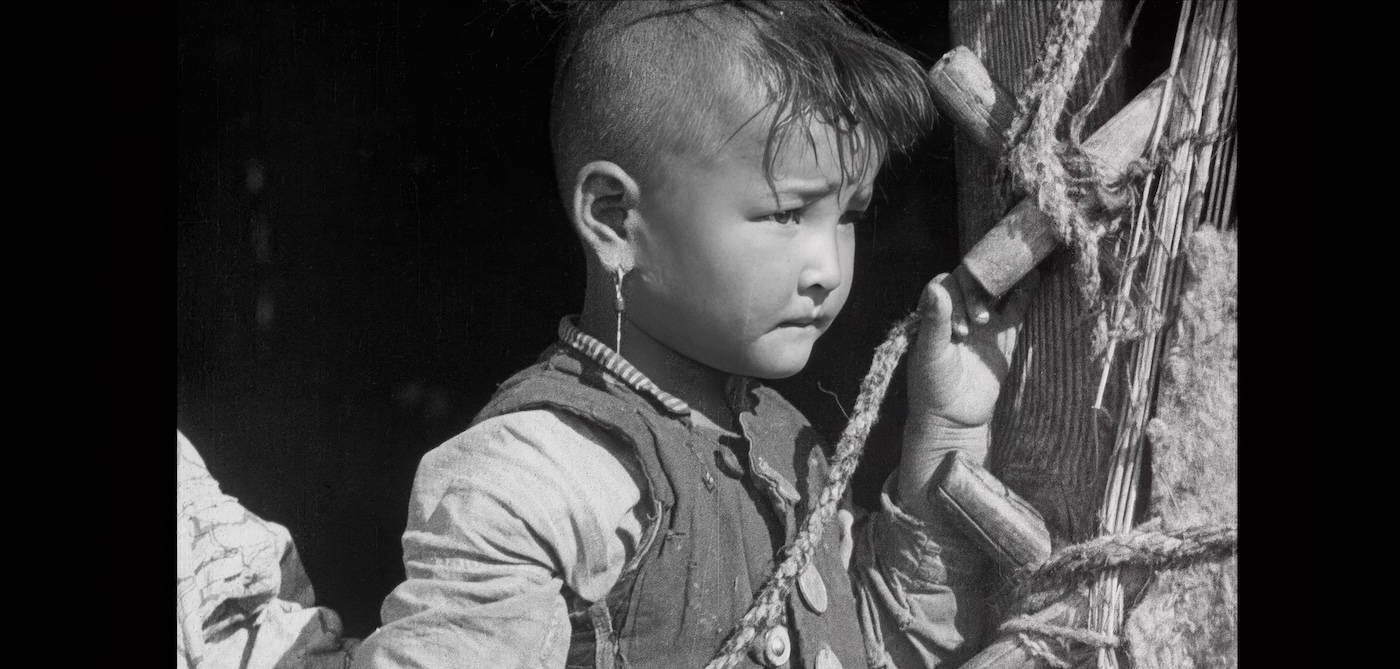
Following the milestones of The Story of Film: An Odyssey (2011) and Women Make Film (2018), Mark Cousins delivers another ambitious, encyclopaedic project, training his lens on the vast body of non-fiction cinema from the origins of film to the present day. Analysing observational and travel documentaries, archival and activist pieces, film diaries, personal essays, experimental works, and animated documentaries with his trademark eclectic flair, the director draws unusual and surprising connections, placing the engagement with reality at the very heart of the cinematic art form. Structured chronologically but interspersed with standalone thematic sections, the film analyses the work of fundamental filmmakers like Flaherty, Rouch, and Wiseman, while also highlighting the work of overlooked directors from every corner of the globe, with a particular emphasis on the several great women directors so often excluded from the history of documentary cinema. An exciting and adventurous new odyssey into the mare magnum of non-fiction film