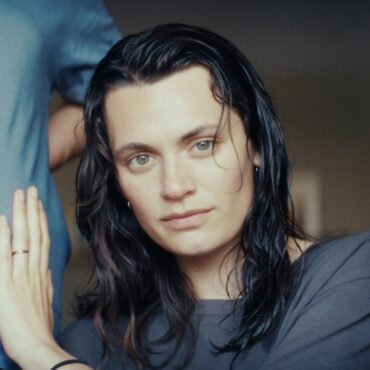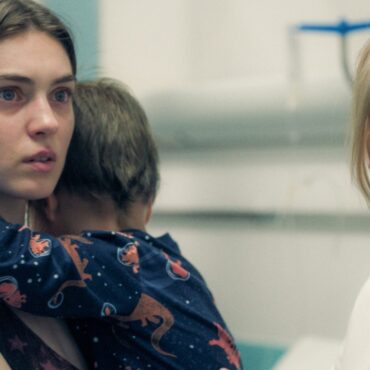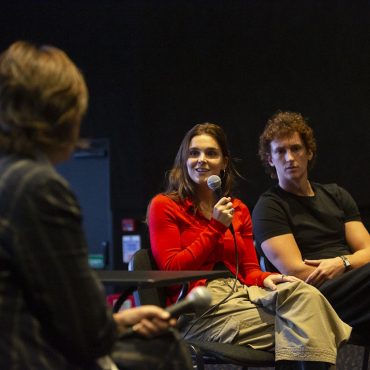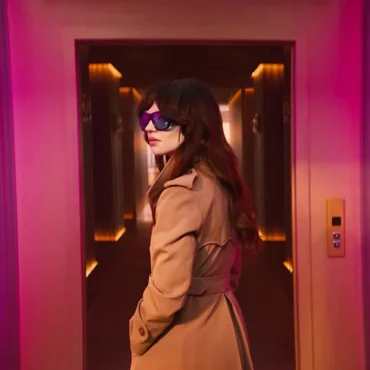


“Viva”, interview with the director and protagonist Aina Clotet
Aina Clotet discusses Viva at Cannes 2026, exploring desire, illness, emotional dependence and the fear of loneliness.
Listeners:
Top listeners:
 play_arrow
ENGLISH Channel 01 If English is your language, or a language you understand, THIS IS YOUR CHANNEL !
 play_arrow
ITALIAN Channel 02 Se l’italiano è la tua lingua, o una lingua che conosci, QUESTO È IL TUO CANALE!
 play_arrow
EXTRA Channel 03 FRED Film Radio channel used to broadcast press conferences, seminars, workshops, master classes, etc.
 play_arrow
GERMAN Channel 04 Wenn Ihre Sprache Deutsch ist, oder Sie diese Sprache verstehen, dann ist das IHR KANAL !
 play_arrow
POLISH Channel 05
 play_arrow
SPANISH Channel 06 Si tu idioma es el español, o es un idioma que conoces, ¡ESTE ES TU CANAL!
 play_arrow
FRENCH Channel 07 Si votre langue maternelle est le français, ou si vous le comprenez, VOICI VOTRE CHAINE !
 play_arrow
PORTUGUESE Channel 08
 play_arrow
ROMANIAN Channel 09 Dacă vorbiţi sau înţelegeţi limba română, ACESTA ESTE CANALUL DUMNEAVOASTRĂ!
 play_arrow
SLOVENIAN Channel 10
 play_arrow
ENTERTAINMENT Channel 11 FRED Film Radio Channel used to broadcast music and live shows from Film Festivals.
 play_arrow
BULGARIAN Channel 16 Ако българският е вашият роден език, или го разбирате, ТОВА Е ВАШИЯТ КАНАЛ !
 play_arrow
CROATIAN Channel 17 Ako je hrvatski tvoj jezik, ili ga jednostavno razumiješ, OVO JE TVOJ KANAL!
 play_arrow
LATVIAN Channel 18
 play_arrow
DANISH Channel 19
 play_arrow
HUNGARIAN Channel 20
 play_arrow
DUTCH Channel 21
 play_arrow
GREEK Channel 22
 play_arrow
CZECH Channel 23
 play_arrow
LITHUANIAN Channel 24
 play_arrow
SLOVAK Channel 25
 play_arrow
ICELANDIC Channel 26 Ef þú talar, eða skilur íslensku, er ÞETTA RÁSIN ÞÍN !
 play_arrow
INDUSTRY Channel 27 FRED Film Radio channel completely dedicated to industry professionals.
 play_arrow
EDUCATION Channel 28 FRED Film Radio channel completely dedicated to film literacy.
 play_arrow
SARDU Channel 29 Si su sardu est sa limba tua, custu est su canale chi ti deghet!
 play_arrow
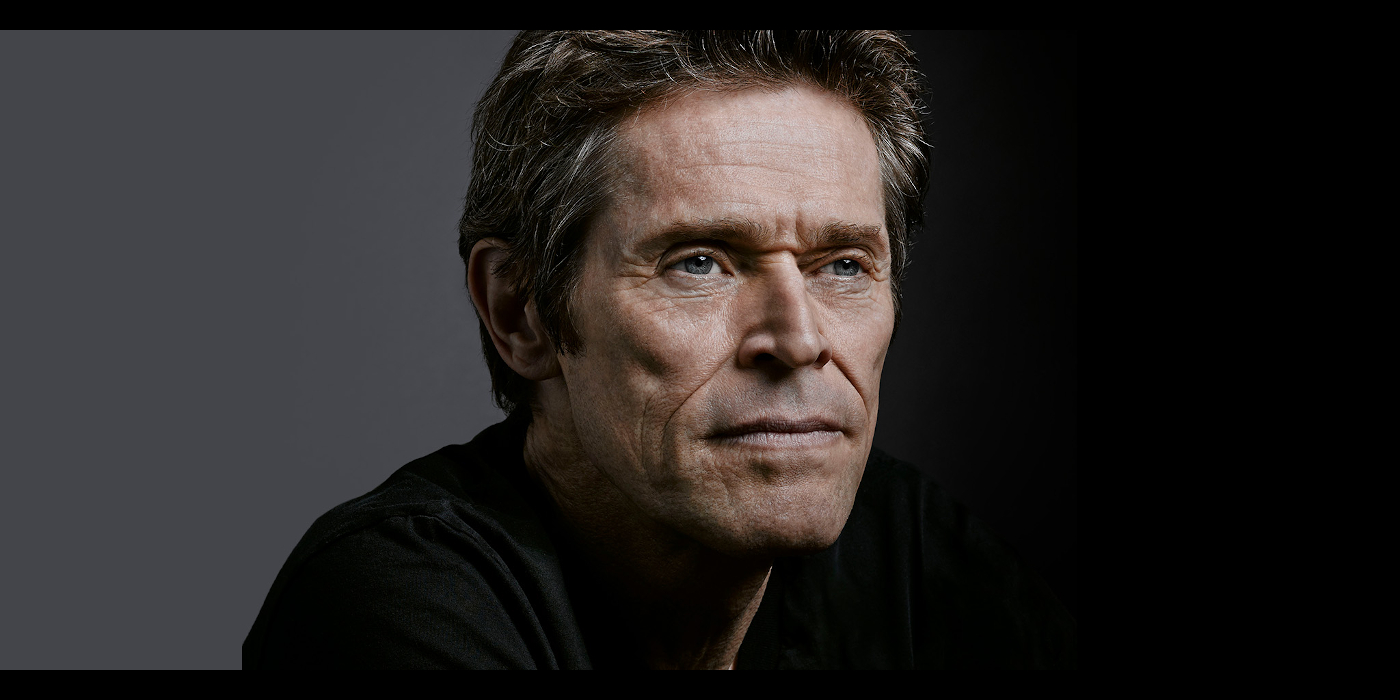
“Conversation with” at the 20th Marrakech IFF, interview with actor Willem Dafoe Bénédicte Prot
 play_arrow
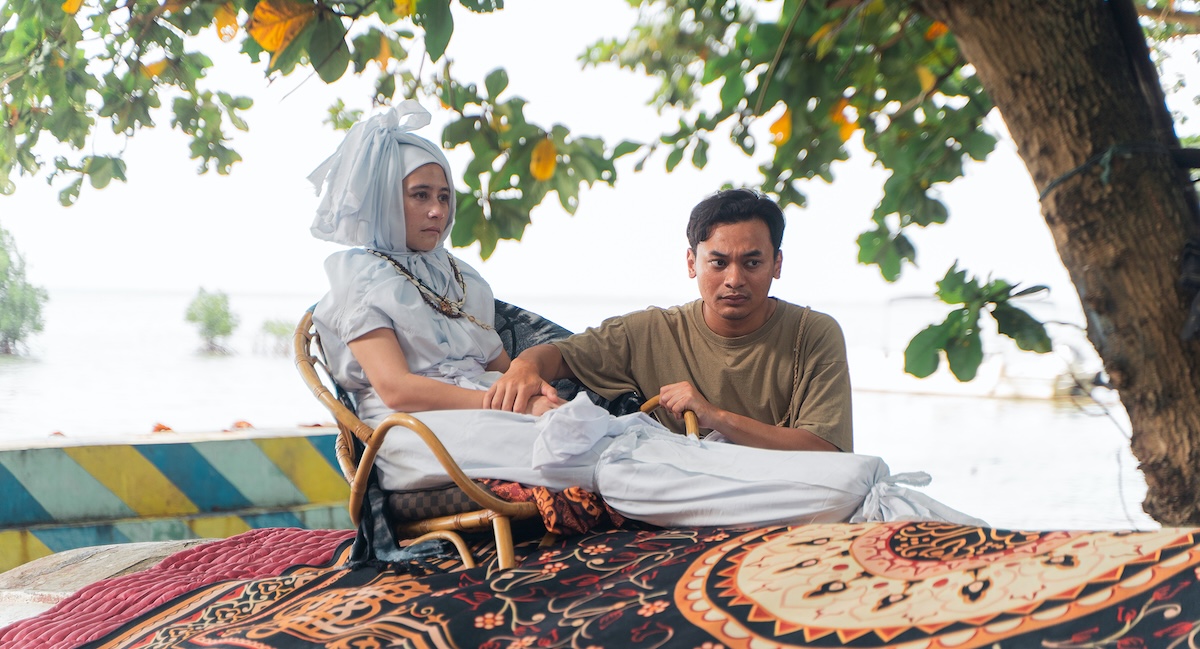
"Holy Crowd", interview with the directors Reza Fahriyansyah and Ananth Subramaniam Federica Scarpa
Presented at the Cannes Film Festival as part of the International Critics’ Week initiative, Next Step Studio, “Holy Crowd” transforms a supernatural premise into a sharp reflection on social behaviour and collective hysteria.
Co-directed by Indonesian filmmaker Reza Fahriyansyah and Malaysian director Ananth Subramaniam, the short film begins with a seemingly impossible event: a woman dies, only to suddenly return to life during her funeral.
What initially appears to be a miracle rapidly spirals into chaos. The resurrected woman becomes the object of fascination, opportunism, and projection, while those around her attempt to extract meaning, power, or personal gain from the extraordinary situation.
For the filmmakers, however, the miracle itself was never the true subject of the film.
“We were very interested in herd mentality,” Ananth Subramaniam explained. Despite coming from different countries and cultural backgrounds, both directors recognised the same instinctive social patterns within Southeast Asian societies: the tendency to follow collective emotion, especially when confronted with religious or mystical phenomena.
The film uses absurdity and humour to expose how easily communities can transform belief into spectacle.
One of the most compelling aspects of “Holy Crowd” is the uneasy balance between comedy and discomfort. The reactions surrounding the resurrection are frequently ridiculous, yet they also reveal deeper anxieties about faith, authority, and social pressure.
For Reza Fahriyansyah, questions of power became central to the project, “People always believe in something bigger than themselves,” he observed.
Rather than mocking religion directly, the film examines how belief systems can become performative under collective pressure. Crowds gather not only out of faith, but also out of curiosity, fear and opportunism.
The directors deliberately avoided treating the situation with solemnity. Humour emerged naturally during the writing process, largely because the irrationality of the characters’ behaviour felt simultaneously recognisable and absurd.
“Sometimes you just don’t understand why people behave this way,” Ananth Subramaniam admitted. “And that becomes funny.”
The comedy in “Holy Crowd”, therefore, functions less as parody and more as observation. The laughter comes from the unsettling familiarity of mass reactions, particularly in environments where religion, social hierarchy and public performance constantly overlap.
At the centre of the film stands Arif, the husband of the resurrected woman, who becomes an increasingly passive witness to the escalating madness around him.
The filmmakers intentionally constructed him as a character with almost no control over the situation.
“In front of the crowd, religion and culture, you are nothing,” Ananth Subramaniam explained.
Rather than turning Arif into an active hero, the directors were interested in exploring helplessness. His inability to intervene reflects the larger social structures surrounding him, where individual agency becomes insignificant once collective hysteria takes over.
This perspective also reinforces the film’s emotional realism. Despite the fantastical premise, “Holy Crowd” remains grounded in ordinary human vulnerability. Miracles may occur, but people still respond through confusion, selfishness and fear.
For Reza Fahriyansyah, maintaining that human scale was essential.
“Even with a very big situation, we still wonder how people feel about what happened,” he noted.
Although “Holy Crowd” emerged from a collaboration between filmmakers from Indonesia and Malaysia, both directors emphasised how naturally the partnership evolved.
Their creative relationship began informally, often through conversations over Indonesian food, particularly different regional varieties of soto.
“We bonded over soto,” Ananth Subramaniam joked.
Before writing, the directors established a shared principle for the collaboration: protecting each other’s creative freedom while leaving ego aside. They described the project as both an artistic experiment and a playful testing ground where ideas could become increasingly strange and excessive.
That openness proved particularly valuable during the writing process.
Ananth Subramaniam, who had never co-directed before, admitted that collaboration unexpectedly liberated him from the isolation that often accompanies screenwriting.
“Every time I got stuck, I could throw it to Reza,” he explained.
For Reza Fahriyansyah, the exchange also became a way of expanding visual and cultural perspectives, especially regarding funeral rituals and spiritual symbolism, which differ subtly between Indonesia and Malaysia.
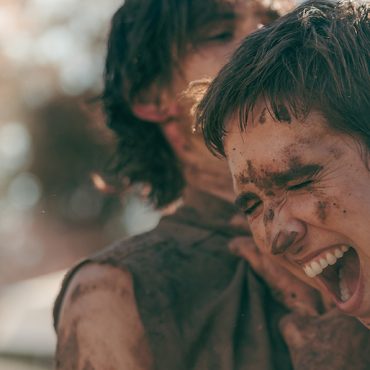
After Ratna rises from the dead during her funeral, her silent body begins performing unexplained healings, turning her husband Arif into the reluctant center of a growing frenzy. As villagers, opportunists, and religious authorities descend, faith and exploitation collide, and the miracle spirals beyond control.
Aina Clotet discusses Viva at Cannes 2026, exploring desire, illness, emotional dependence and the fear of loneliness.
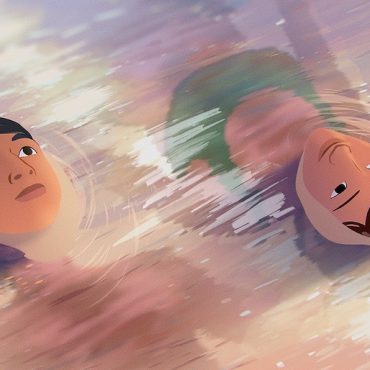
Will Sharpe discusses grief, vulnerability and animation in "In Waves", opening film of Cannes Critics’ Week by Phuong-Mai Nguyen.
Alice Douard’s directorial debut, "Love Letters", at the Semaine de la critique, sees Monia Chokri pairing up with Ella Rumpf.
Laura Wandel’s Adam’s sake, at the Semaine de la critique, relies on the perfect duo: Léa Drucker and Anamaria Vartolomei
Edinburgh Spanish Film Festival
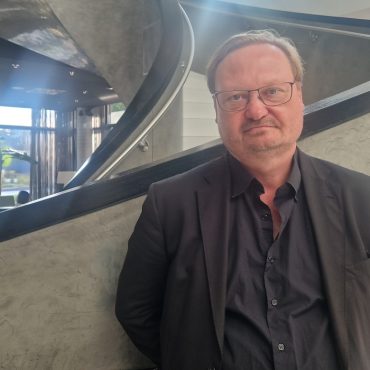
Marian Arechega, director of the vibrant Edinburgh Spanish Film Festival, discusses the 2026 edition programme, showcasing recent and diverse cinema from Spain.
Nicolas Winding Refn on Her Private Hell, his first feature in ten years, in Italian cinemas from October 1.
Discover how EWIP - European Work in Progress connects European and African films with top buyers, boosting distribution and festival success.
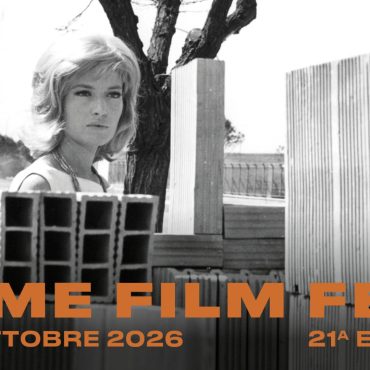
Rome is once again expanding the scope of its Film Fest: thirteen days of cinema, international premieres, renowned auteurs, emerging talent, series, documentaries, and cinematic heritage—with Javier Bardem, Paolo Genovese, and Monica Vitti at the heart of an edition that …