


“Homebound”, interview with the director Neeraj Ghaywan
Director Neeraj Ghaywan discusses Homebound at Cannes 78—an emotional tale of friendship, dignity, and identity rooted in real-life inspiration.
Listeners:
Top listeners:
 play_arrow
ENGLISH Channel 01 If English is your language, or a language you understand, THIS IS YOUR CHANNEL !
 play_arrow
ITALIAN Channel 02 Se l’italiano è la tua lingua, o una lingua che conosci, QUESTO È IL TUO CANALE!
 play_arrow
EXTRA Channel 03 FRED Film Radio channel used to broadcast press conferences, seminars, workshops, master classes, etc.
 play_arrow
GERMAN Channel 04 Wenn Ihre Sprache Deutsch ist, oder Sie diese Sprache verstehen, dann ist das IHR KANAL !
 play_arrow
POLISH Channel 05
 play_arrow
SPANISH Channel 06 Si tu idioma es el español, o es un idioma que conoces, ¡ESTE ES TU CANAL!
 play_arrow
FRENCH Channel 07 Si votre langue maternelle est le français, ou si vous le comprenez, VOICI VOTRE CHAINE !
 play_arrow
PORTUGUESE Channel 08
 play_arrow
ROMANIAN Channel 09 Dacă vorbiţi sau înţelegeţi limba română, ACESTA ESTE CANALUL DUMNEAVOASTRĂ!
 play_arrow
SLOVENIAN Channel 10
 play_arrow
ENTERTAINMENT Channel 11 FRED Film Radio Channel used to broadcast music and live shows from Film Festivals.
 play_arrow
BULGARIAN Channel 16 Ако българският е вашият роден език, или го разбирате, ТОВА Е ВАШИЯТ КАНАЛ !
 play_arrow
CROATIAN Channel 17 Ako je hrvatski tvoj jezik, ili ga jednostavno razumiješ, OVO JE TVOJ KANAL!
 play_arrow
LATVIAN Channel 18
 play_arrow
DANISH Channel 19
 play_arrow
HUNGARIAN Channel 20
 play_arrow
DUTCH Channel 21
 play_arrow
GREEK Channel 22
 play_arrow
CZECH Channel 23
 play_arrow
LITHUANIAN Channel 24
 play_arrow
SLOVAK Channel 25
 play_arrow
ICELANDIC Channel 26 Ef þú talar, eða skilur íslensku, er ÞETTA RÁSIN ÞÍN !
 play_arrow
INDUSTRY Channel 27 FRED Film Radio channel completely dedicated to industry professionals.
 play_arrow
EDUCATION Channel 28 FRED Film Radio channel completely dedicated to film literacy.
 play_arrow
SARDU Channel 29 Si su sardu est sa limba tua, custu est su canale chi ti deghet!
 play_arrow
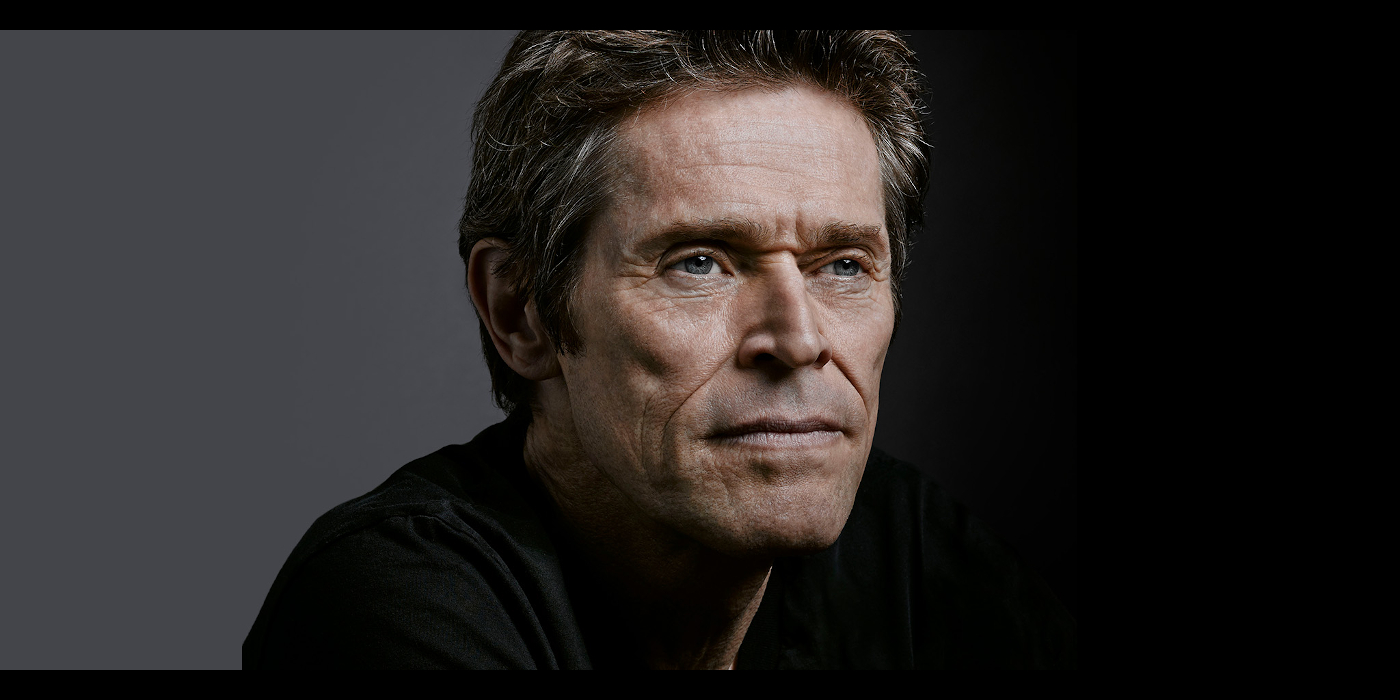
“Conversation with” at the 20th Marrakech IFF, interview with actor Willem Dafoe Bénédicte Prot
 play_arrow
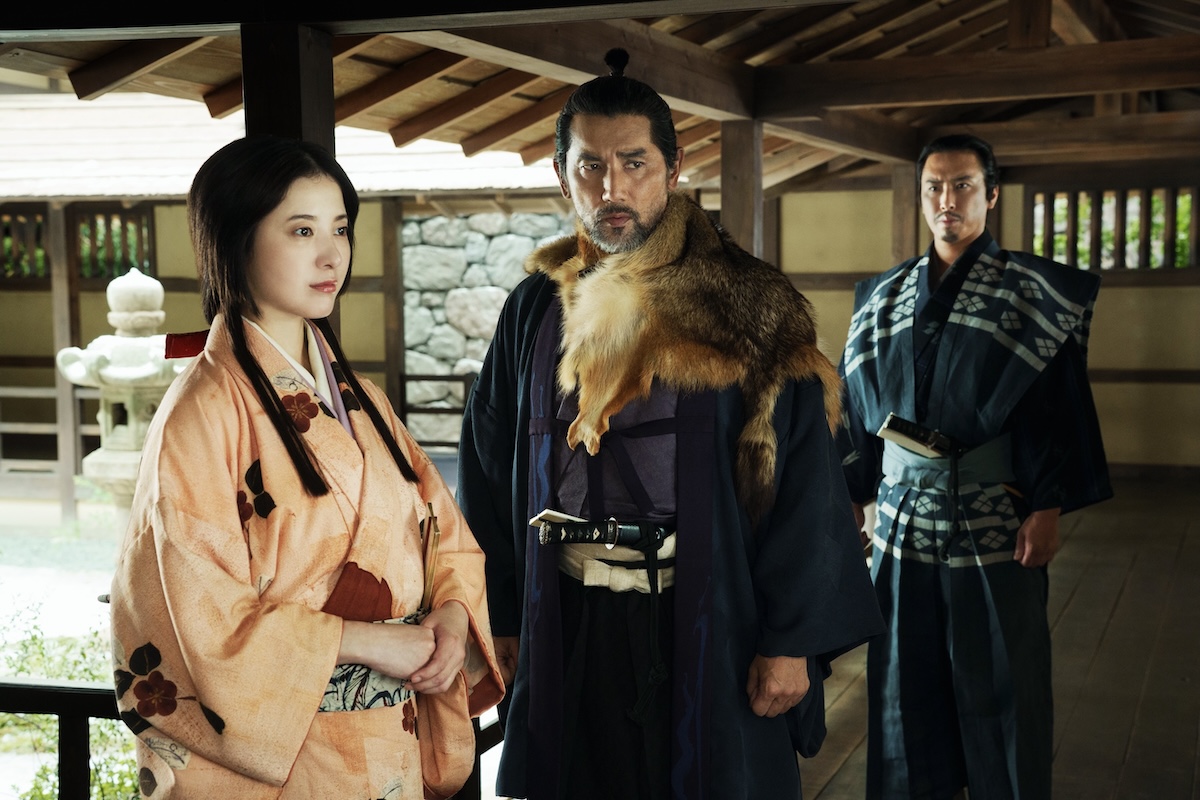
"Kokurojo – The Samurai and the Prisoner", interview with the director Kiyoshi Kurosawa Federica Scarpa
Presented in the Cannes Première section of the 79th edition of the Festival de Cannes, “Kokurojo – The Samurai and the Prisoner” marks the first classical samurai film directed by Kiyoshi Kurosawa. Known internationally for works that span horror, thriller, and psychological drama, the Japanese filmmaker approached the jidaigeki genre through the figure of Araki Murashige, a 16th-century samurai remembered in Japanese history as a coward and traitor.
Kiyoshi Kurosawa explained that the project began when a producer gave him the novel that later became the basis for the film. What fascinated him was not Araki Murashige‘s historical reputation but the possibility of understanding the reasons behind his actions.
“He is known as the samurai who abandoned his people and escaped alone,” the director said. “But in this story, I could finally see why he may have done that.”
For Kiyoshi Kurosawa, the character’s refusal to obey the rigid values surrounding him creates a direct connection with contemporary society. Rather than portraying Araki Murashige as merely weak or dishonourable, the filmmaker sees him as someone attempting to free himself from systems that imprison individuals psychologically and morally.
Although Araki Murashige can easily be described as an anti-hero, Kiyoshi Kurosawa resists that definition. The director acknowledged that the character appears unconventional within the samurai tradition, yet he believes the essence of heroism lies precisely in choosing one’s own path despite social judgment.
“Even if people call him an anti-hero, he follows the path he believes in,” he explained. “To me, somebody like that is a true hero.”
This perspective shapes the emotional core of “Kokurojo – The Samurai and the Prisoner”. Rather than celebrating military glory or codes of honour, the film examines personal freedom, fear and moral ambiguity. The historical setting becomes a way to question modern structures of conformity and obedience.
The film also incorporates elements of mystery, betrayal, and growing suspicion among political figures. Asked about the role of paranoia in systems of power, Kiyoshi Kurosawa offered a reflection that extends beyond the film’s historical setting.
According to the director, power itself generates fear. The more authority individuals accumulate, the more terrified they become of losing it. That fear ultimately creates isolation and paranoia.
“The more power you have, the more fear increases,” he said. “People begin imagining terrible things that might happen if they let go.”
Without naming contemporary political figures, Kiyoshi Kurosawa suggested that modern leaders could learn something from Murashige’s decision to escape the structures surrounding him.
“I would be happy if even one person with power could let go and walk away,” he remarked. “That would require real courage.”
Despite a career spanning several decades and genres, Kiyoshi Kurosawa continues to seek new cinematic challenges. For this film, however, innovation meant returning to the past.
The director explained that he revisited many Japanese jidaigeki masterpieces from the 1950s, a period he considers the genre’s peak. Rather than imitating those films directly, he used them as a foundation to rethink how period cinema can exist today.
“I wanted to relearn from the masterpieces,” he said. “That became the new challenge for me.”
For Kiyoshi Kurosawa, engaging with film history is not an exercise in nostalgia. Instead, it represents a way of creating something contemporary while acknowledging forgotten cinematic traditions.
“Doing something new is often connected to rediscovering something from the past,” he noted. “That process itself becomes a new form of filmmaking.”
When Lord Murashige Araki rises up against the tyrannical Nobunaga Oda, he finds himself besieged within the walls of his own castle. Isolated, he is confronted with a series of mysterious crimes that shatter the fragile order of his court, plunging the fortress into fear and suspicion.
Director Neeraj Ghaywan discusses Homebound at Cannes 78—an emotional tale of friendship, dignity, and identity rooted in real-life inspiration.
Fuori by Mario Martone, in competition at Cannes 78, marks Matilda De Angelis’ first time at the Festival
La Ola, the feminist musical from Oscar Winner for A Fantastic Woman, Sebastián Lelio lands Cannes Premiere
Director Pedro Pinho on the concept of "I Only Rest in the Storm": "I wanted to continue to explore the concept of polyphony, of creating a situation where different voices come together to reflect upon a given subject."
Woman Unknown director May El-Toukhy and actress Mathilde Arcel on the body as battlefield, in competition at Venice 2026.
Dust di Tsai Ming-liang, presentato in Venice Open - Fuori Concorso della Mostra di Venezia 2026: impermanenza e meditazione.
Listen Global Critics Venice Voice! Exclusive and thoughtful conversations with leading international film critics, and in-depth analysis of the most anticipated films of the Venice International Film Festival 2026.
At the 83th Venice Film Festival 2026, Skyler Gisondo, Merritt Wever and Bokeem Woodbine on stepping into the circus of Primetime