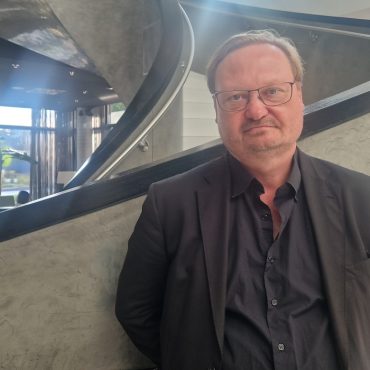


“Double Freedom”, interview with director Lisandro Alonso
With "Double Freedom", Lisandro Alonso goes back to the origins of his cinema and finds a changed world
Listeners:
Top listeners:
 play_arrow
ENGLISH Channel 01 If English is your language, or a language you understand, THIS IS YOUR CHANNEL !
 play_arrow
ITALIAN Channel 02 Se l’italiano è la tua lingua, o una lingua che conosci, QUESTO È IL TUO CANALE!
 play_arrow
EXTRA Channel 03 FRED Film Radio channel used to broadcast press conferences, seminars, workshops, master classes, etc.
 play_arrow
GERMAN Channel 04 Wenn Ihre Sprache Deutsch ist, oder Sie diese Sprache verstehen, dann ist das IHR KANAL !
 play_arrow
POLISH Channel 05
 play_arrow
SPANISH Channel 06 Si tu idioma es el español, o es un idioma que conoces, ¡ESTE ES TU CANAL!
 play_arrow
FRENCH Channel 07 Si votre langue maternelle est le français, ou si vous le comprenez, VOICI VOTRE CHAINE !
 play_arrow
PORTUGUESE Channel 08
 play_arrow
ROMANIAN Channel 09 Dacă vorbiţi sau înţelegeţi limba română, ACESTA ESTE CANALUL DUMNEAVOASTRĂ!
 play_arrow
SLOVENIAN Channel 10
 play_arrow
ENTERTAINMENT Channel 11 FRED Film Radio Channel used to broadcast music and live shows from Film Festivals.
 play_arrow
BULGARIAN Channel 16 Ако българският е вашият роден език, или го разбирате, ТОВА Е ВАШИЯТ КАНАЛ !
 play_arrow
CROATIAN Channel 17 Ako je hrvatski tvoj jezik, ili ga jednostavno razumiješ, OVO JE TVOJ KANAL!
 play_arrow
LATVIAN Channel 18
 play_arrow
DANISH Channel 19
 play_arrow
HUNGARIAN Channel 20
 play_arrow
DUTCH Channel 21
 play_arrow
GREEK Channel 22
 play_arrow
CZECH Channel 23
 play_arrow
LITHUANIAN Channel 24
 play_arrow
SLOVAK Channel 25
 play_arrow
ICELANDIC Channel 26 Ef þú talar, eða skilur íslensku, er ÞETTA RÁSIN ÞÍN !
 play_arrow
INDUSTRY Channel 27 FRED Film Radio channel completely dedicated to industry professionals.
 play_arrow
EDUCATION Channel 28 FRED Film Radio channel completely dedicated to film literacy.
 play_arrow
SARDU Channel 29 Si su sardu est sa limba tua, custu est su canale chi ti deghet!
 play_arrow
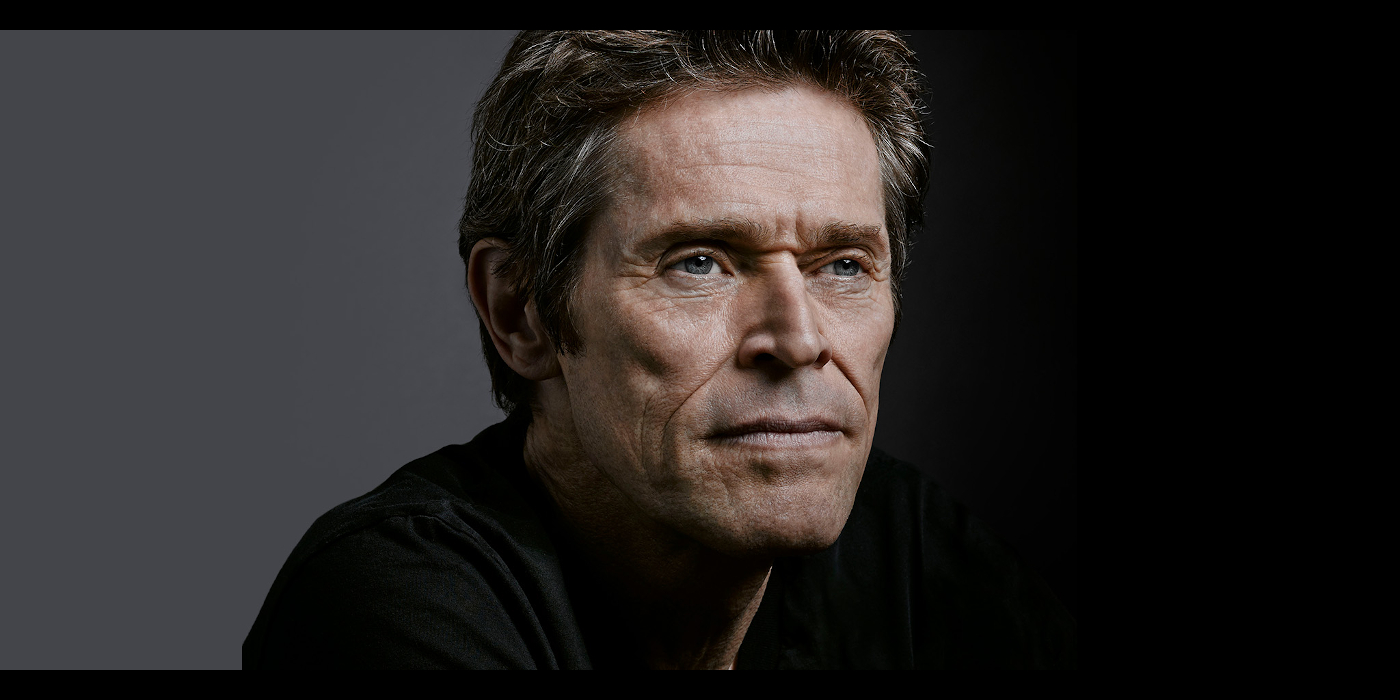
“Conversation with” at the 20th Marrakech IFF, interview with actor Willem Dafoe Bénédicte Prot
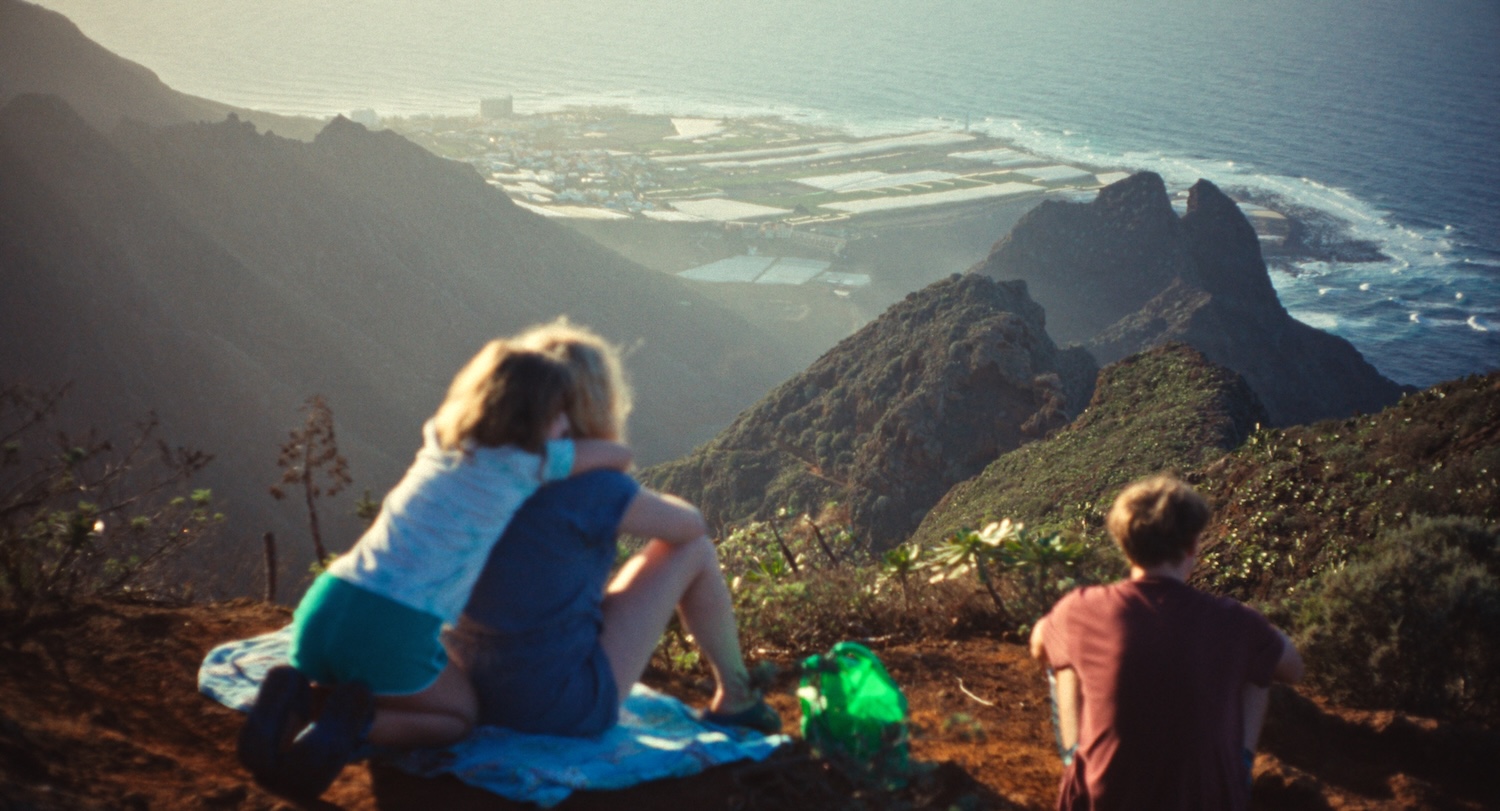
Austrian filmmaker Sandra Wollner makes her Cannes debut with “Everytime“, her third feature, screening in Un Certain Regard at the 79th Festival de Cannes. After “The Impossible Picture” and “The Trouble With Being Born“, which won the Special Jury Award in the Berlinale’s Encounters section, Sandra Wollner turns her gaze to a Berlin family shattered by the death of a teenage daughter. A year after the tragedy, the girl’s mother Ella, played by Birgit Minichmayr, and her younger sister Melli set off for a holiday in Tenerife together with Lux, the boyfriend the whole world blames for the loss. Under a sun that refuses to set, past and present quietly begin to overlap.
The characters in “Everytime“, Sandra Wollner explains, did not come from a single source. They are after images of people she has met at different points in her life, figures that became ghosts. What interested her was not the immediate aftermath of tragedy but what comes later. “We don’t see the period where she probably couldn’t get out of bed or stop crying, but rather the time where she has to get out of bed, go on, and organize her life. She talks about what is for dinner with her younger daughter even though they are now at the graveyard and one person is missing“. Sandra Wollner was drawn to those banal scenes where absence is felt most acutely, moments she describes as tender and brutal at the same time.
There is a particular kind of grief the film captures: the instant when you wake up and forget, for a few seconds, that someone is gone. Sandra Wollner recognises that fleeting moment as something central to the experience. “You forget it for a split second and there is this tiny moment where it’s possible to call or get in contact with the person again because you have forgotten“.
The film’s most striking gesture, a sun that finally stops moving, has its roots in an earlier, unfinished project called “People in the Sun”, set in a world of perpetual daylight. That idea migrated into “Everytime” and found its meaning through a song: “The End of the World” by Skeeter Davis, which asks why the sun goes on shining when the pain is unbearable. “If you experience the biggest loss imaginable, like losing a child, the sun should have the decency to stand still. The world should not turn around anymore, but instead, the sun hangs there, obnoxious, naive, still shining as if nothing has changed, which is a tragedy in itself“.
A tragedy brings a mother, daughter, and teenage boy together. Struggling with blame and forgiveness, the unlikely trio take a trip to Tenerife for a family holiday that never happened. Under the glow of the sun, past and present quietly start to overlap.
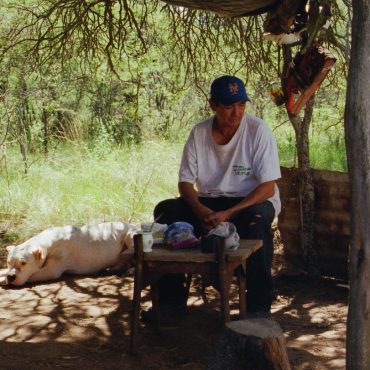
With "Double Freedom", Lisandro Alonso goes back to the origins of his cinema and finds a changed world
Katharina Rivilis discusses I’ll Be Gone in June at Cannes 2026, exploring adolescence, post-9/11 America and memory.
Sam Manacsa discusses Annisa at Cannes 2026, exploring sound, adolescence and belonging through the perspective of a blind teenage girl.
Alexe Poukine, director of "Kika": "We were really lucky with the cast. I think this is the most successful thing in the film. They brought a lot of themselves to their characters and you can see it."
Edinburgh Spanish Film Festival
Marian Arechega, director of the vibrant Edinburgh Spanish Film Festival, discusses the 2026 edition programme, showcasing recent and diverse cinema from Spain.
Nicolas Winding Refn on Her Private Hell, his first feature in ten years, in Italian cinemas from October 1.
Discover how EWIP - European Work in Progress connects European and African films with top buyers, boosting distribution and festival success.
Rome is once again expanding the scope of its Film Fest: thirteen days of cinema, international premieres, renowned auteurs, emerging talent, series, documentaries, and cinematic heritage—with Javier Bardem, Paolo Genovese, and Monica Vitti at the heart of an edition that …