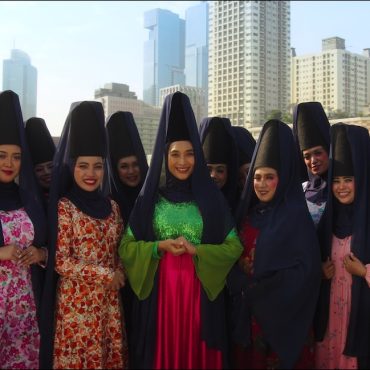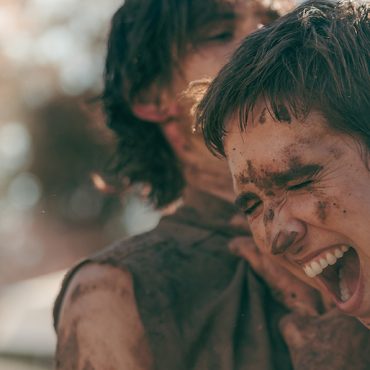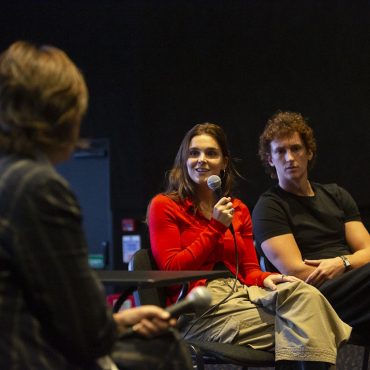


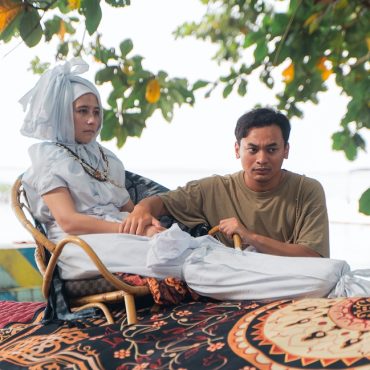
“Holy Crowd”, interview with the directors Reza Fahriyansyah and Ananth Subramaniam
Reza Fahriyansyah and Ananth Subramaniam discuss Holy Crowd at Cannes 2026, exploring miracles, herd mentality and collective obsession.
Listeners:
Top listeners:
 play_arrow
ENGLISH Channel 01 If English is your language, or a language you understand, THIS IS YOUR CHANNEL !
 play_arrow
ITALIAN Channel 02 Se l’italiano è la tua lingua, o una lingua che conosci, QUESTO È IL TUO CANALE!
 play_arrow
EXTRA Channel 03 FRED Film Radio channel used to broadcast press conferences, seminars, workshops, master classes, etc.
 play_arrow
GERMAN Channel 04 Wenn Ihre Sprache Deutsch ist, oder Sie diese Sprache verstehen, dann ist das IHR KANAL !
 play_arrow
POLISH Channel 05
 play_arrow
SPANISH Channel 06 Si tu idioma es el español, o es un idioma que conoces, ¡ESTE ES TU CANAL!
 play_arrow
FRENCH Channel 07 Si votre langue maternelle est le français, ou si vous le comprenez, VOICI VOTRE CHAINE !
 play_arrow
PORTUGUESE Channel 08
 play_arrow
ROMANIAN Channel 09 Dacă vorbiţi sau înţelegeţi limba română, ACESTA ESTE CANALUL DUMNEAVOASTRĂ!
 play_arrow
SLOVENIAN Channel 10
 play_arrow
ENTERTAINMENT Channel 11 FRED Film Radio Channel used to broadcast music and live shows from Film Festivals.
 play_arrow
BULGARIAN Channel 16 Ако българският е вашият роден език, или го разбирате, ТОВА Е ВАШИЯТ КАНАЛ !
 play_arrow
CROATIAN Channel 17 Ako je hrvatski tvoj jezik, ili ga jednostavno razumiješ, OVO JE TVOJ KANAL!
 play_arrow
LATVIAN Channel 18
 play_arrow
DANISH Channel 19
 play_arrow
HUNGARIAN Channel 20
 play_arrow
DUTCH Channel 21
 play_arrow
GREEK Channel 22
 play_arrow
CZECH Channel 23
 play_arrow
LITHUANIAN Channel 24
 play_arrow
SLOVAK Channel 25
 play_arrow
ICELANDIC Channel 26 Ef þú talar, eða skilur íslensku, er ÞETTA RÁSIN ÞÍN !
 play_arrow
INDUSTRY Channel 27 FRED Film Radio channel completely dedicated to industry professionals.
 play_arrow
EDUCATION Channel 28 FRED Film Radio channel completely dedicated to film literacy.
 play_arrow
SARDU Channel 29 Si su sardu est sa limba tua, custu est su canale chi ti deghet!
 play_arrow
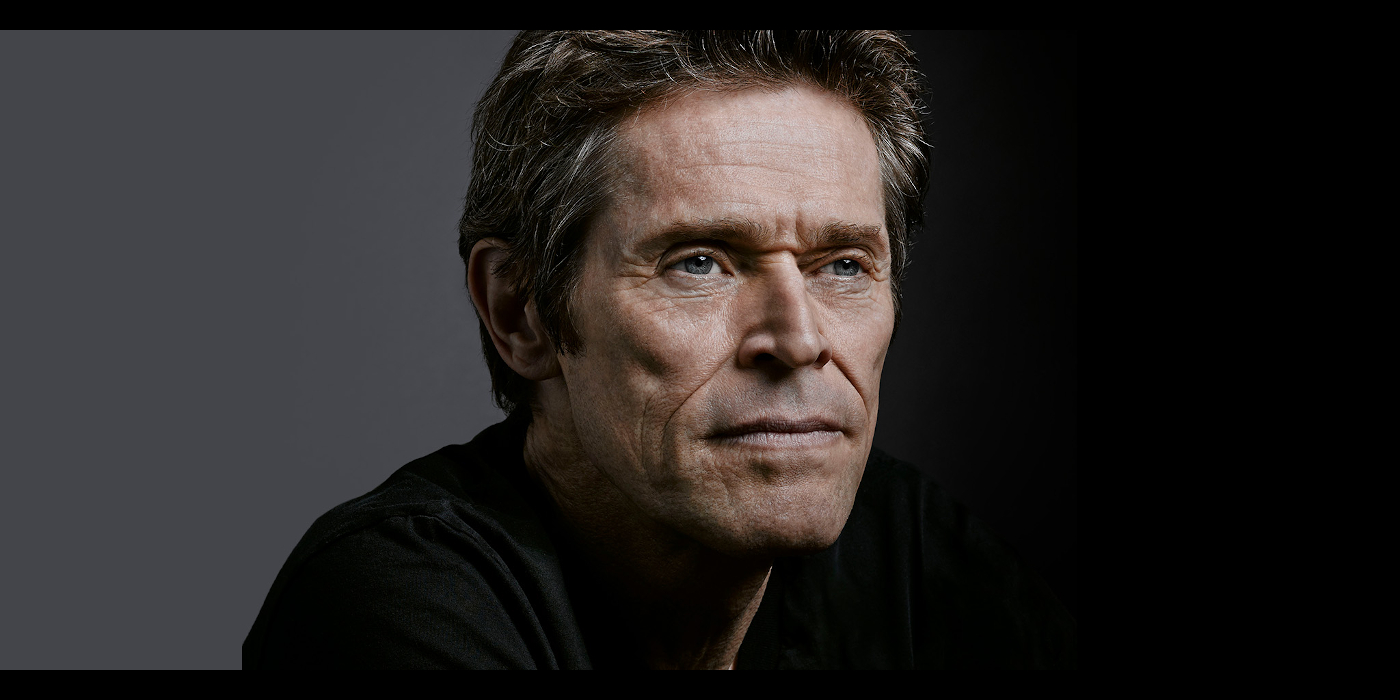
“Conversation with” at the 20th Marrakech IFF, interview with actor Willem Dafoe Bénédicte Prot
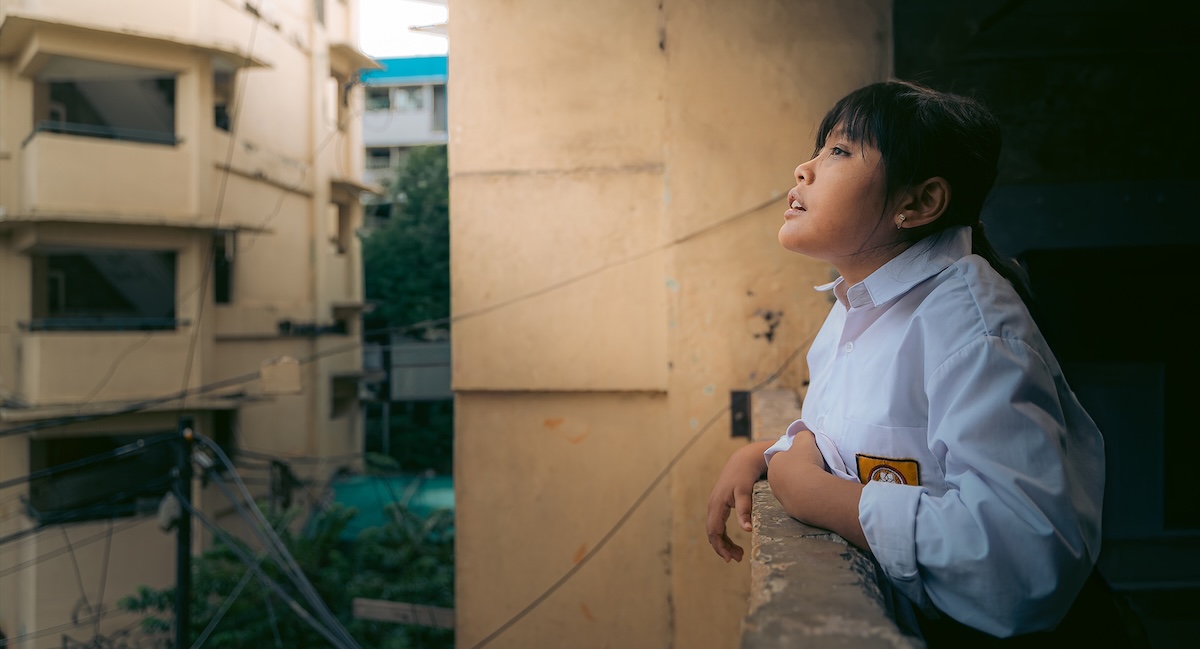
“Annisa” offers one of the most intimate and sensory experiences among the short films developed through the Indonesian collaborative program Next Step Studio.
Co-directed by Filipino filmmaker Sam Manacsa and Indonesian actor-director Reza Rahadian, the film follows a blind teenage girl living in a crowded neighbourhood in Jakarta as she gradually seeks her voice during a local community festival.
For Sam Manacsa, the central challenge was never to reduce the character to her blindness, but rather to construct the cinematic language around her emotional perspective.
“It was very important that we stayed grounded to the feelings of Annisa herself,” he explained during the interview.
The protagonist is portrayed by a young, non-professional actress who shares the character’s name and many personal characteristics. According to Sam Manacsa, that connection deeply influenced the film’s approach.
Rather than emphasising visual absence, the filmmakers became interested in the richness of sound, texture and emotional perception that shapes Annisa’s relationship with the world around her.
One of the film’s defining elements is its intricate sound design. In “Annisa”, sound is not simply atmospheric support but a primary storytelling tool.
The crowded neighbourhood festival becomes a dense sonic landscape filled with music, voices, movement and overlapping emotional energies. Through this environment, the audience is invited to experience the world in a way that mirrors Annisa’s own navigation of space.
Sam Manacsa revealed that sound was already central during the writing process itself.
“A lot of the script was really us writing the soundscape more than the landscape,” he noted.
The screenplay, only ten pages long, focused heavily on sensory detail. During shooting and editing, the directors continued expanding the sonic layers, searching for increasingly immersive ways to place the audience inside Annisa’s emotional reality.
At the same time, the filmmakers were careful not to isolate the protagonist from her surroundings. The goal was not to portray her as disconnected from the community, but rather to show how she actively inhabits and interprets it.
The festival atmosphere, therefore, becomes both overwhelming and liberating: a chaotic environment where Annisa slowly begins to recognise her own place.
Throughout the interview, Sam Manacsa emphasised that “Annisa” is fundamentally a coming-of-age story.
“All we wanted to talk about was her growing up,” he explained.
The film deliberately avoids framing its protagonist through pity or symbolic representation. Instead, Annisa emerges as a teenager like any other: curious, humorous, uncertain and emotionally sensitive.
Her blindness is part of her experience, but never the totality of her identity.
For Sam Manacsa, maintaining that balance was essential because the emotional heart of the story lies elsewhere: in the universal process of adolescence and self-discovery.
Annisa spends much of her time isolated within familiar routines, often absorbed by her phone and reluctant to step outside her comfort zone. The film gradually follows her movement toward participation, connection and visibility within her community.
That process of being seen and accepted becomes one of the short film’s most delicate emotional threads.
“To find that space and to be accepted is something beautiful,” Sam Manacsa reflected.
The film ultimately suggests that belonging is not simply about social inclusion, but about discovering environments where personal expression becomes possible.
Although “Annisa” is a co-directed work, Sam Manacsa described the collaboration with Reza Rahadian as unusually organic.
The two filmmakers quickly discovered shared sensibilities regarding storytelling, particularly their mutual attraction toward small-scale emotional experiences rather than grand dramatic narratives.
“We really want to focus on the simple things that move our lives,” Sam Manacsa explained.
That common perspective shaped not only the film’s artistic direction but also the production’s atmosphere.
For Sam Manacsa, who primarily works as a production designer and had limited directing experience beforehand, the project represented a major personal leap outside familiar creative environments.
One of the greatest challenges was learning to trust a completely new team assembled largely through Reza Rahadian’s existing collaborators.
“It was really about trusting the process,” he admitted.
That uncertainty eventually gave way to creative openness, allowing the film to emerge through collaboration rather than rigid control.
In a crowded housing complex, Anissa, a blind teenage girl navigates a world mainly shaped by sound. As a neighborhood national day celebration unfolds around her, she finds an unexpected way to be heard, reclaiming her place within the noise that surrounds her.
Reza Fahriyansyah and Ananth Subramaniam discuss Holy Crowd at Cannes 2026, exploring miracles, herd mentality and collective obsession.
Khozy Rizal and Lam Li Shuen discuss Mothers Are Mothering at Cannes 2026, exploring queer identity, motherhood and emotional alienation.
Aina Clotet discusses Viva at Cannes 2026, exploring desire, illness, emotional dependence and the fear of loneliness.
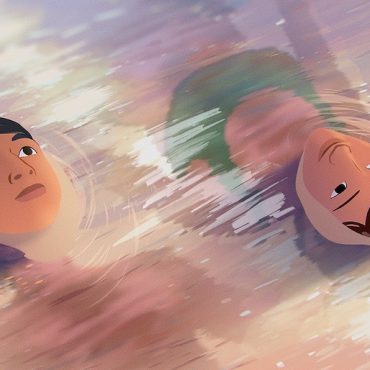
Will Sharpe discusses grief, vulnerability and animation in "In Waves", opening film of Cannes Critics’ Week by Phuong-Mai Nguyen.
Edinburgh Spanish Film Festival
Marian Arechega, director of the vibrant Edinburgh Spanish Film Festival, discusses the 2026 edition programme, showcasing recent and diverse cinema from Spain.
Nicolas Winding Refn on Her Private Hell, his first feature in ten years, in Italian cinemas from October 1.
Discover how EWIP - European Work in Progress connects European and African films with top buyers, boosting distribution and festival success.
Rome is once again expanding the scope of its Film Fest: thirteen days of cinema, international premieres, renowned auteurs, emerging talent, series, documentaries, and cinematic heritage—with Javier Bardem, Paolo Genovese, and Monica Vitti at the heart of an edition that …