

“A New Dawn”, interview with director Yoshitoshi Shinomiya
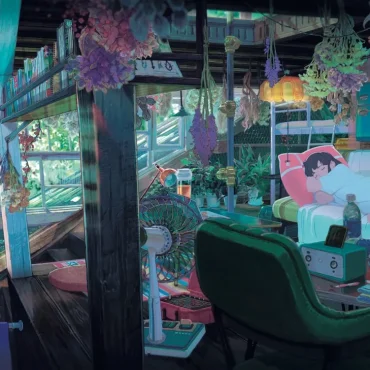
Yoshitoshi Shinomiya presents "A New Dawn", the only animated film in Competition at the 76th Berlinale.
Listeners:
Top listeners:
 play_arrow
ENGLISH Channel 01 If English is your language, or a language you understand, THIS IS YOUR CHANNEL !
 play_arrow
ITALIAN Channel 02 Se l’italiano è la tua lingua, o una lingua che conosci, QUESTO È IL TUO CANALE!
 play_arrow
EXTRA Channel 03 FRED Film Radio channel used to broadcast press conferences, seminars, workshops, master classes, etc.
 play_arrow
GERMAN Channel 04 Wenn Ihre Sprache Deutsch ist, oder Sie diese Sprache verstehen, dann ist das IHR KANAL !
 play_arrow
POLISH Channel 05
 play_arrow
SPANISH Channel 06 Si tu idioma es el español, o es un idioma que conoces, ¡ESTE ES TU CANAL!
 play_arrow
FRENCH Channel 07 Si votre langue maternelle est le français, ou si vous le comprenez, VOICI VOTRE CHAINE !
 play_arrow
PORTUGUESE Channel 08
 play_arrow
ROMANIAN Channel 09 Dacă vorbiţi sau înţelegeţi limba română, ACESTA ESTE CANALUL DUMNEAVOASTRĂ!
 play_arrow
SLOVENIAN Channel 10
 play_arrow
ENTERTAINMENT Channel 11 FRED Film Radio Channel used to broadcast music and live shows from Film Festivals.
 play_arrow
BULGARIAN Channel 16 Ако българският е вашият роден език, или го разбирате, ТОВА Е ВАШИЯТ КАНАЛ !
 play_arrow
CROATIAN Channel 17 Ako je hrvatski tvoj jezik, ili ga jednostavno razumiješ, OVO JE TVOJ KANAL!
 play_arrow
LATVIAN Channel 18
 play_arrow
DANISH Channel 19
 play_arrow
HUNGARIAN Channel 20
 play_arrow
DUTCH Channel 21
 play_arrow
GREEK Channel 22
 play_arrow
CZECH Channel 23
 play_arrow
LITHUANIAN Channel 24
 play_arrow
SLOVAK Channel 25
 play_arrow
ICELANDIC Channel 26 Ef þú talar, eða skilur íslensku, er ÞETTA RÁSIN ÞÍN !
 play_arrow
INDUSTRY Channel 27 FRED Film Radio channel completely dedicated to industry professionals.
 play_arrow
EDUCATION Channel 28 FRED Film Radio channel completely dedicated to film literacy.
 play_arrow
SARDU Channel 29 Si su sardu est sa limba tua, custu est su canale chi ti deghet!
 play_arrow
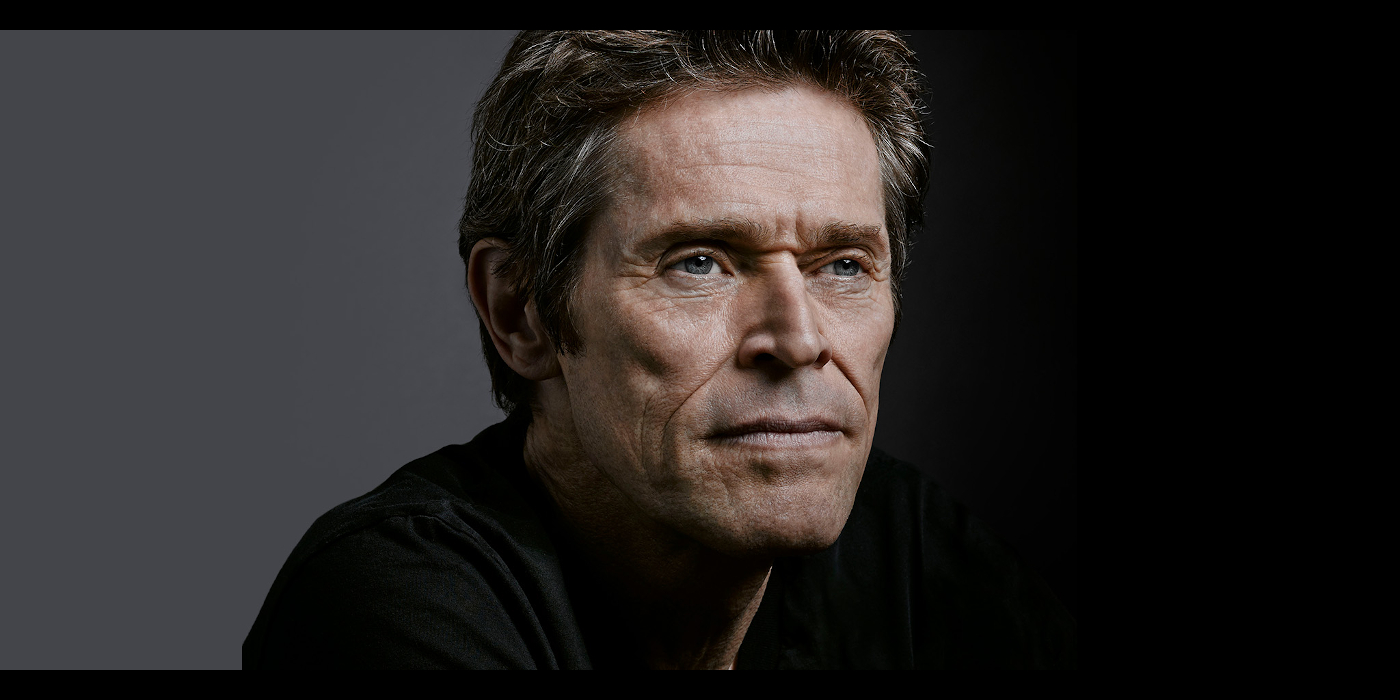
“Conversation with” at the 20th Marrakech IFF, interview with actor Willem Dafoe Bénédicte Prot
 play_arrow
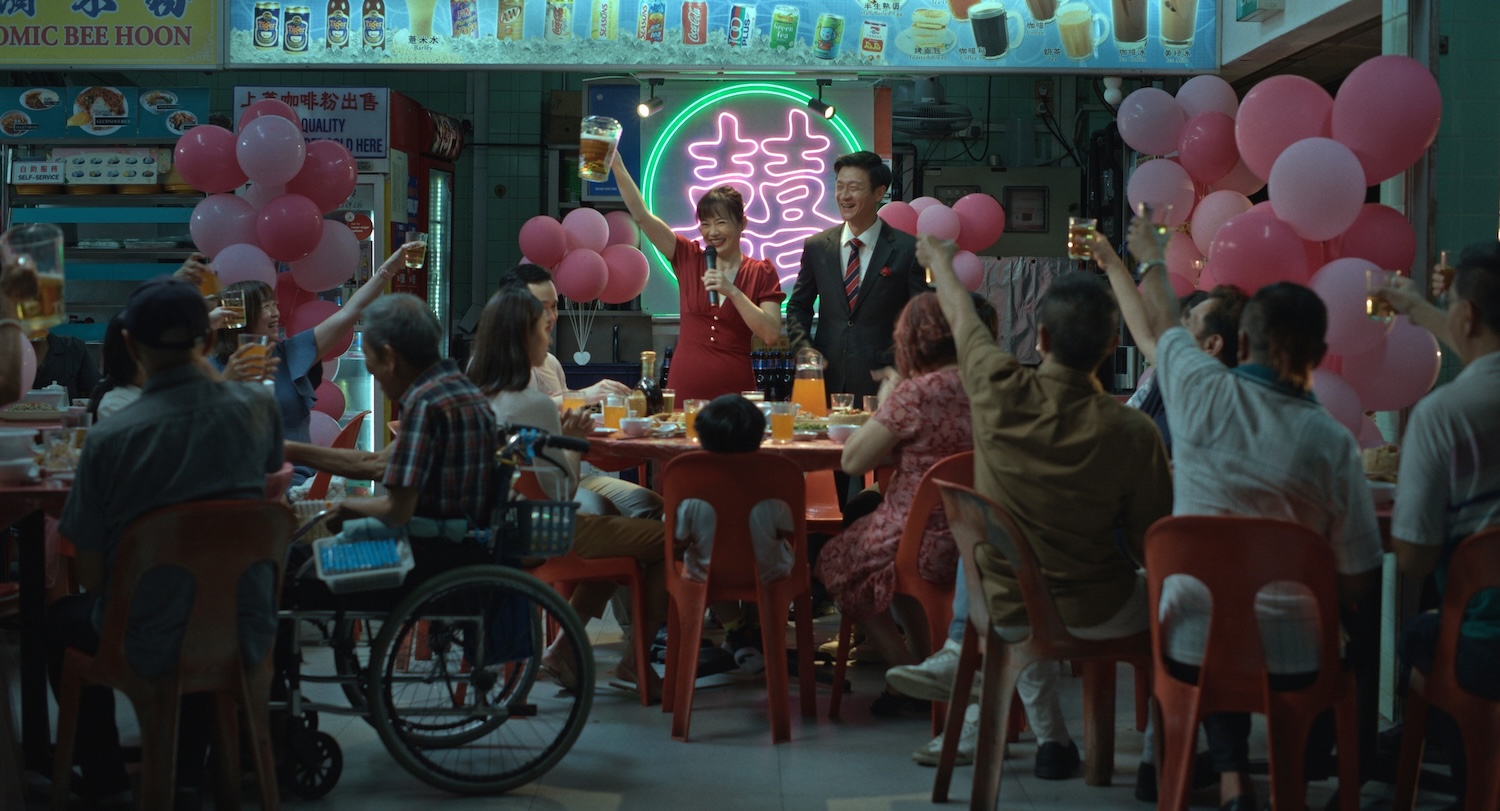
“We Are All Strangers”, interview with director Anthony Chen Chiara Nicoletti
“We Are All Strangers”, presented in competition at the 76th Berlinale marks the final chapter of Anthony Chen’s ‘Growing Up’ trilogy following “Ilo Ilo” and “Wet Season”.
Set again contemporary Singapore, the film offers a poignant exploration of class, inequality and the fragile dynamics between inherited and chosen family. “We Are All Strangers” is the first Singaporean film to be selected for the Berlinale Competition.
“We Are All Strangers” marks a pivotal point in Anthony Chen’s filmmaking journey, closing a trilogy that explores the complexities of human relationships and identity. The film embodies the director’s personal growth, reflecting his evolution from his 20s to his 40s, and encapsulates themes of connection, loss, and understanding. Chen emphasizes that this project was developed during the pandemic, highlighting a time for reflection and introspection. The film’s focus on authentic human interactions makes it a profound exploration of how we perceive ourselves and others.
Anthony Chen’s connection to “We Are All Strangers” is deeply personal, paralleling his own life experiences during key moments of self-discovery. He discusses making the film in his 40s, as a husband and father, and how these roles influence his storytelling.
Chen reflects on his earlier works, “Ilo Ilo” and “Wet Season”, noting that these films also drew heavily from his personal emotions and life stages. The director’s process involves casting actors he has worked with over many years, emphasizing the importance of trust and familiarity in creating truthful performances.
“Through these films, we’ve grown together” says Anthony Chen about his protagonist Koh Jia Ler. “Our 11-year old young boy has grown up, and I have grown older. And in many ways, his transformation mirrors the heart of these stories: how we become strangers to who we were, and how we find our way back again”.
For Anthony Chen, cinema is a means of searching for meaning, but often it’s life that finds him—pushing him to craft stories that echo his internal journey. The emotional weight of We Are All Strangers stems from this authenticity, revealing the raw feelings of love, loss, and hope.
Anthony Chen admits that making such personal films is both painful and cathartic, but ultimately rewarding, as it allows him to bare his soul on screen. His work demonstrates that in exploring personal truths, he connects with audiences on a deeply relatable level, reinforcing that we are all strangers, yet inherently connected through shared human experiences.
In bustling contemporary Singapore, 21-year-old Junyang is enjoying the ease of youth while his father struggles to hold their modest life together. When Junyang’s relationship with his girlfriend takes an unexpected and life-altering turn, the young couple is forced to face the realities of adulthood far sooner than anticipated. At the same time, an exuberant woman enters his father’s life and heart, quietly reshaping the fragile balance between father and son. As both generations confront love, loss and responsibility, they must redefine what family means – and learn to live with the imperfect bonds between the family they were born into and the one they now choose to love.
Yoshitoshi Shinomiya presents "A New Dawn", the only animated film in Competition at the 76th Berlinale.
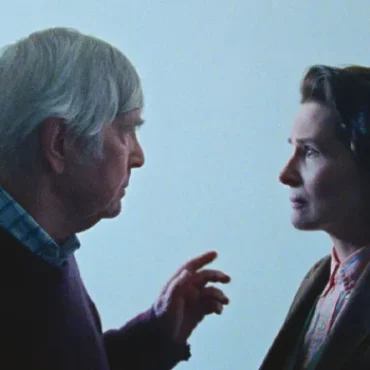
"Queen at Sea" by Lance Hammer, with Juliette Binoche was presented in Competition at the 76 Berlinale. The film explores the emotional toll of dementia on caregivers, highlighting raw, authentic human experiences without sentimentality.
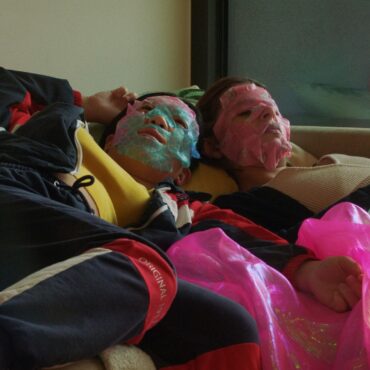
Fwends, by director Sophie Sommerville, delves into the transitional phase from adolescence to adulthood through the reunion of two friends.
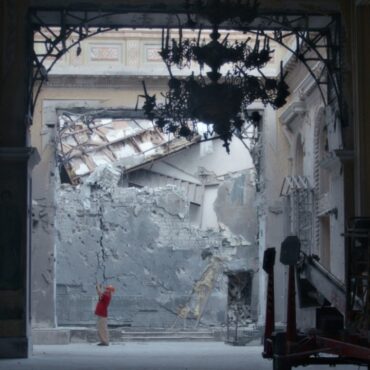
When Lightning Flashes Over the Sea by director Eva Neymann is a tribute to the resilience of Odesa's residents amidst war.
Edinburgh Spanish Film Festival
Marian Arechega, director of the vibrant Edinburgh Spanish Film Festival, discusses the 2026 edition programme, showcasing recent and diverse cinema from Spain.
Nicolas Winding Refn on Her Private Hell, his first feature in ten years, in Italian cinemas from October 1.
Discover how EWIP - European Work in Progress connects European and African films with top buyers, boosting distribution and festival success.
Rome is once again expanding the scope of its Film Fest: thirteen days of cinema, international premieres, renowned auteurs, emerging talent, series, documentaries, and cinematic heritage—with Javier Bardem, Paolo Genovese, and Monica Vitti at the heart of an edition that …