

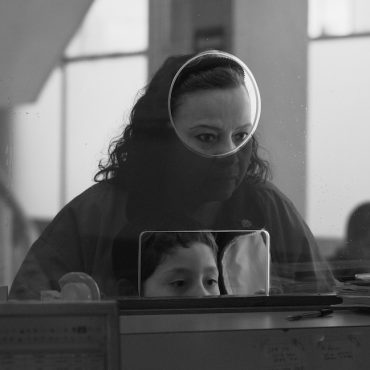
“Moscas”, interview with director Fernando Eimbcke
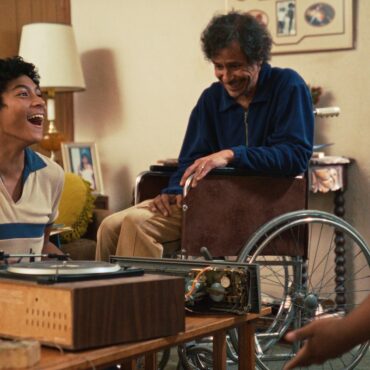
Fernando Eimbcke presents "Moscas" in Competition at the 76th Berlinale, a quiet drama about solitude and unexpected connection.
Listeners:
Top listeners:
 play_arrow
ENGLISH Channel 01 If English is your language, or a language you understand, THIS IS YOUR CHANNEL !
 play_arrow
ITALIAN Channel 02 Se l’italiano è la tua lingua, o una lingua che conosci, QUESTO È IL TUO CANALE!
 play_arrow
EXTRA Channel 03 FRED Film Radio channel used to broadcast press conferences, seminars, workshops, master classes, etc.
 play_arrow
GERMAN Channel 04 Wenn Ihre Sprache Deutsch ist, oder Sie diese Sprache verstehen, dann ist das IHR KANAL !
 play_arrow
POLISH Channel 05
 play_arrow
SPANISH Channel 06 Si tu idioma es el español, o es un idioma que conoces, ¡ESTE ES TU CANAL!
 play_arrow
FRENCH Channel 07 Si votre langue maternelle est le français, ou si vous le comprenez, VOICI VOTRE CHAINE !
 play_arrow
PORTUGUESE Channel 08
 play_arrow
ROMANIAN Channel 09 Dacă vorbiţi sau înţelegeţi limba română, ACESTA ESTE CANALUL DUMNEAVOASTRĂ!
 play_arrow
SLOVENIAN Channel 10
 play_arrow
ENTERTAINMENT Channel 11 FRED Film Radio Channel used to broadcast music and live shows from Film Festivals.
 play_arrow
BULGARIAN Channel 16 Ако българският е вашият роден език, или го разбирате, ТОВА Е ВАШИЯТ КАНАЛ !
 play_arrow
CROATIAN Channel 17 Ako je hrvatski tvoj jezik, ili ga jednostavno razumiješ, OVO JE TVOJ KANAL!
 play_arrow
LATVIAN Channel 18
 play_arrow
DANISH Channel 19
 play_arrow
HUNGARIAN Channel 20
 play_arrow
DUTCH Channel 21
 play_arrow
GREEK Channel 22
 play_arrow
CZECH Channel 23
 play_arrow
LITHUANIAN Channel 24
 play_arrow
SLOVAK Channel 25
 play_arrow
ICELANDIC Channel 26 Ef þú talar, eða skilur íslensku, er ÞETTA RÁSIN ÞÍN !
 play_arrow
INDUSTRY Channel 27 FRED Film Radio channel completely dedicated to industry professionals.
 play_arrow
EDUCATION Channel 28 FRED Film Radio channel completely dedicated to film literacy.
 play_arrow
SARDU Channel 29 Si su sardu est sa limba tua, custu est su canale chi ti deghet!
 play_arrow
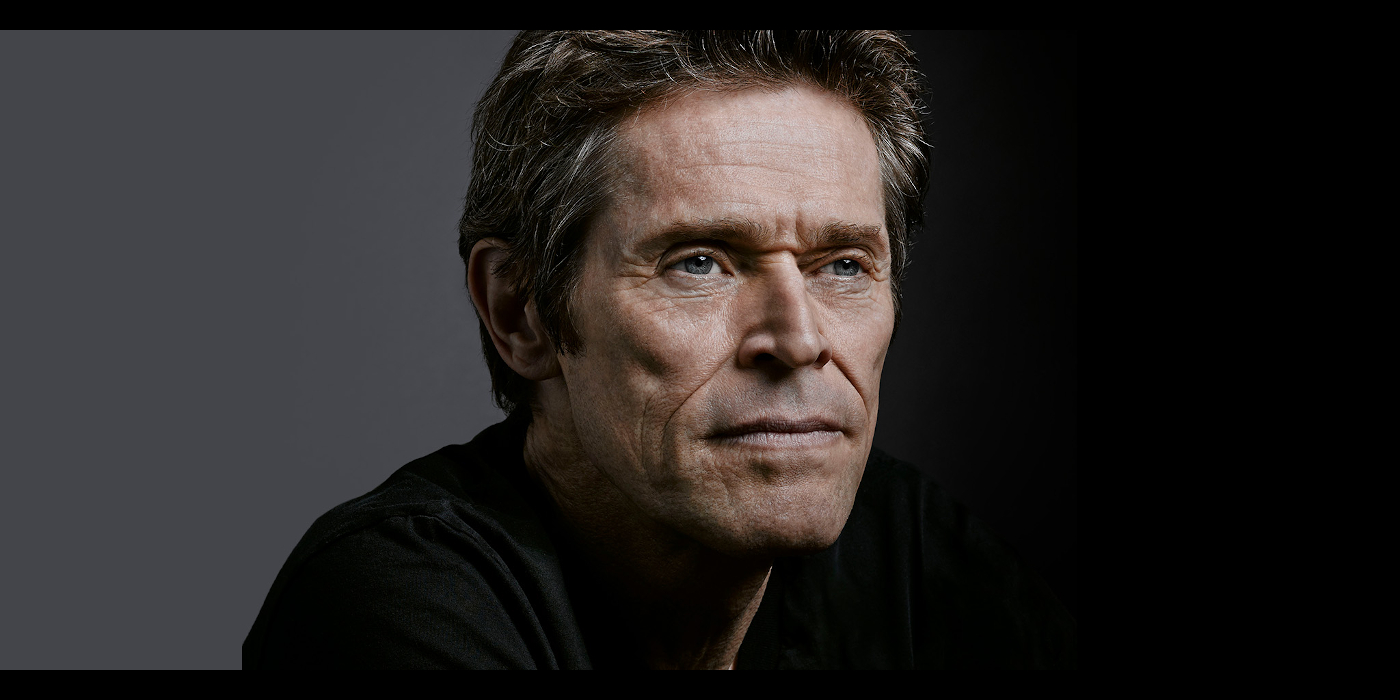
“Conversation with” at the 20th Marrakech IFF, interview with actor Willem Dafoe Bénédicte Prot
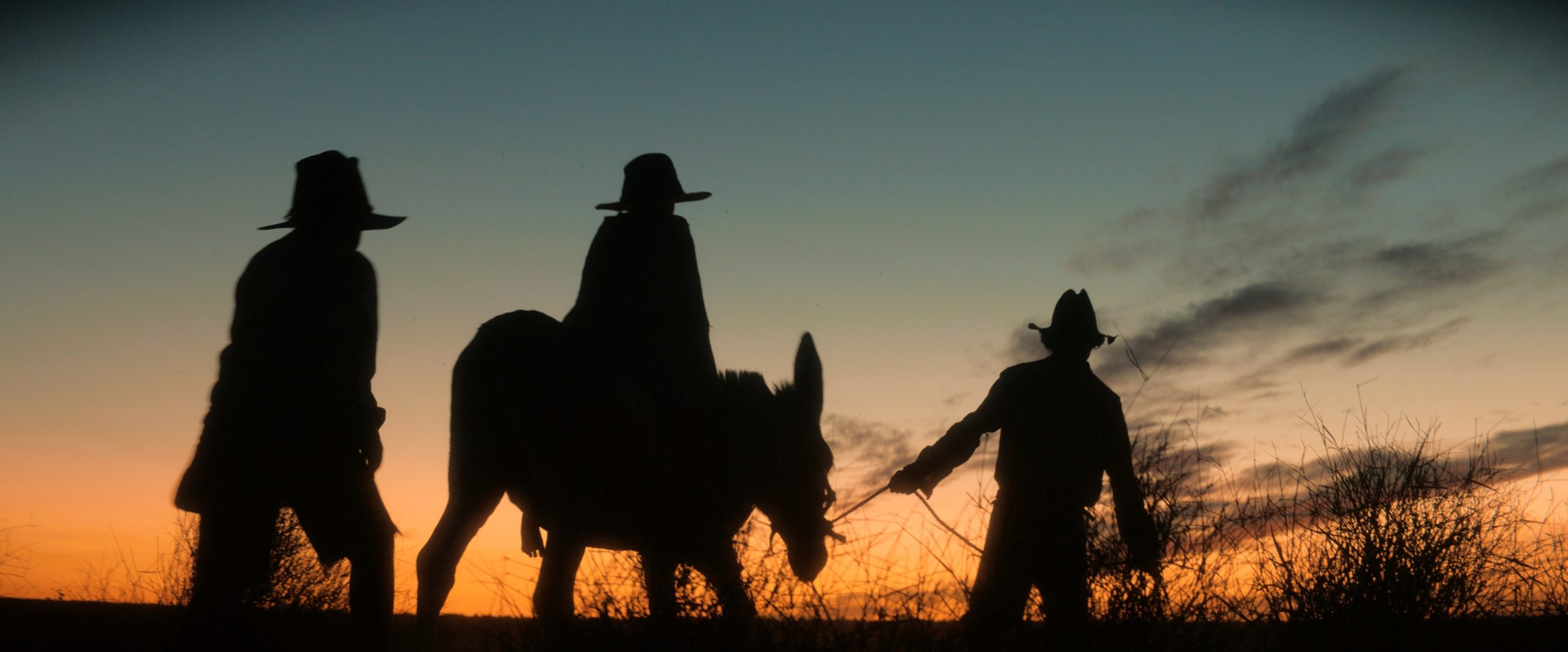
After competing in the 74th Venice competition with “Sweet Country” and winning the Special Special Jury Prize, Australian director Warwich Thornton went back to those atmospheres and the western genre with “Wolfram”.
The film, presented in competition at the 76th Berlinale, is set in the same 1930s Australia, this time focusing on the female side of the story and history.
Wolfram’ script, co-written by Thornton with David Tranter is based on the latter’s family heritage and story that he was keen to revisit. The “First Nations” director Warwick Thornton didn’t want to do a sequel and he only agreed to go back to those same settings as Sweet country because of the possibility of talking about women’s resilience.
“Sweet Country had focused on the male side of events” underlines Thornton It was filled of the real brutality Thornton’s ancestors had to face. Wolfram talks about what his and David Tranter’s Great grandmothers experienced. They both worked as child miners in the desert. “Wolfram is really an opportunity to reveal the true history of Australia. A story that hasn’t been told, a story we need to hear” declares the Australian director, screenwriter and cinematographer.
The Role of Authentic Storytelling in “Wolfram”
Norton’s approach to “Wolfram” reflects a broader effort to tell truthful, nuanced stories about indigenous peoples. He is conscious of the manipulative danger in filmmaking, aiming to avoid sensationalism or victimization. Instead, the film focuses on survivors and their resilience, revealing the complexity of their histories without resorting to melodrama. The film’s authenticity is reinforced through careful storytelling that respects truth and minimizes manipulative narratives. Ultimately, “Wolfram” aims to educate and entertain, ensuring viewers gain a genuine understanding of indigenous history and resilience.
On the colonial frontier of 1930s Australia, two swaggering outlaws roll into a mining town and unleash a wave of cruelty, leading two siblings to break free from their white masters who have forced them to work as child labourers in the mines. The children escape and set off across the desert “sweet country” of central Australia, in search of safety and a way home. Set in the same universe as Thornton’s multi award-winning 2017 film Sweet Country, Wolfram features standout performances from Deborah Mailman and its young actors, playing siblings who must rely on each other as they search for the truth about themselves and their family, escape a nightmare and make unexpected connections on their way to freedom. Wolfram is an outback Western but also a historical drama about survival, reckoning, resilience and love.
Fernando Eimbcke presents "Moscas" in Competition at the 76th Berlinale, a quiet drama about solitude and unexpected connection.
At the 75.Berlinale, "Olmo" by Fernando Eimbcke, a coming-of-age story rooted in family.
Fwends, by director Sophie Sommerville, delves into the transitional phase from adolescence to adulthood through the reunion of two friends.
When Lightning Flashes Over the Sea by director Eva Neymann is a tribute to the resilience of Odesa's residents amidst war.
Edinburgh Spanish Film Festival
Marian Arechega, director of the vibrant Edinburgh Spanish Film Festival, discusses the 2026 edition programme, showcasing recent and diverse cinema from Spain.
Nicolas Winding Refn on Her Private Hell, his first feature in ten years, in Italian cinemas from October 1.
Discover how EWIP - European Work in Progress connects European and African films with top buyers, boosting distribution and festival success.
Rome is once again expanding the scope of its Film Fest: thirteen days of cinema, international premieres, renowned auteurs, emerging talent, series, documentaries, and cinematic heritage—with Javier Bardem, Paolo Genovese, and Monica Vitti at the heart of an edition that …