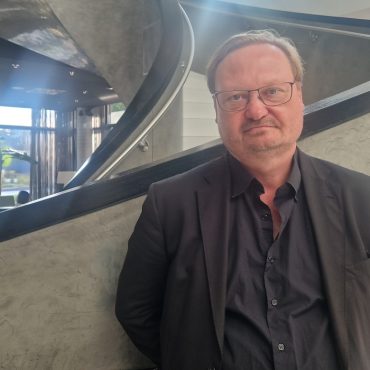
“Iván & Hadoum”, interview with director Ian De La Rosa
"Iván & Hadoum", Ian De La Rosa’s debut feature, is the winner of the Teddy Award at the 76th Berlinale.
Listeners:
Top listeners:
play_arrow
ENGLISH Channel 01 If English is your language, or a language you understand, THIS IS YOUR CHANNEL !
play_arrow
ITALIAN Channel 02 Se l’italiano è la tua lingua, o una lingua che conosci, QUESTO È IL TUO CANALE!
play_arrow
EXTRA Channel 03 FRED Film Radio channel used to broadcast press conferences, seminars, workshops, master classes, etc.
play_arrow
GERMAN Channel 04 Wenn Ihre Sprache Deutsch ist, oder Sie diese Sprache verstehen, dann ist das IHR KANAL !
play_arrow
POLISH Channel 05
play_arrow
SPANISH Channel 06 Si tu idioma es el español, o es un idioma que conoces, ¡ESTE ES TU CANAL!
play_arrow
FRENCH Channel 07 Si votre langue maternelle est le français, ou si vous le comprenez, VOICI VOTRE CHAINE !
play_arrow
PORTUGUESE Channel 08
play_arrow
ROMANIAN Channel 09 Dacă vorbiţi sau înţelegeţi limba română, ACESTA ESTE CANALUL DUMNEAVOASTRĂ!
play_arrow
SLOVENIAN Channel 10
play_arrow
ENTERTAINMENT Channel 11 FRED Film Radio Channel used to broadcast music and live shows from Film Festivals.
play_arrow
BULGARIAN Channel 16 Ако българският е вашият роден език, или го разбирате, ТОВА Е ВАШИЯТ КАНАЛ !
play_arrow
CROATIAN Channel 17 Ako je hrvatski tvoj jezik, ili ga jednostavno razumiješ, OVO JE TVOJ KANAL!
play_arrow
LATVIAN Channel 18
play_arrow
DANISH Channel 19
play_arrow
HUNGARIAN Channel 20
play_arrow
DUTCH Channel 21
play_arrow
GREEK Channel 22
play_arrow
CZECH Channel 23
play_arrow
LITHUANIAN Channel 24
play_arrow
SLOVAK Channel 25
play_arrow
ICELANDIC Channel 26 Ef þú talar, eða skilur íslensku, er ÞETTA RÁSIN ÞÍN !
play_arrow
INDUSTRY Channel 27 FRED Film Radio channel completely dedicated to industry professionals.
play_arrow
EDUCATION Channel 28 FRED Film Radio channel completely dedicated to film literacy.
play_arrow
SARDU Channel 29 Si su sardu est sa limba tua, custu est su canale chi ti deghet!
play_arrow
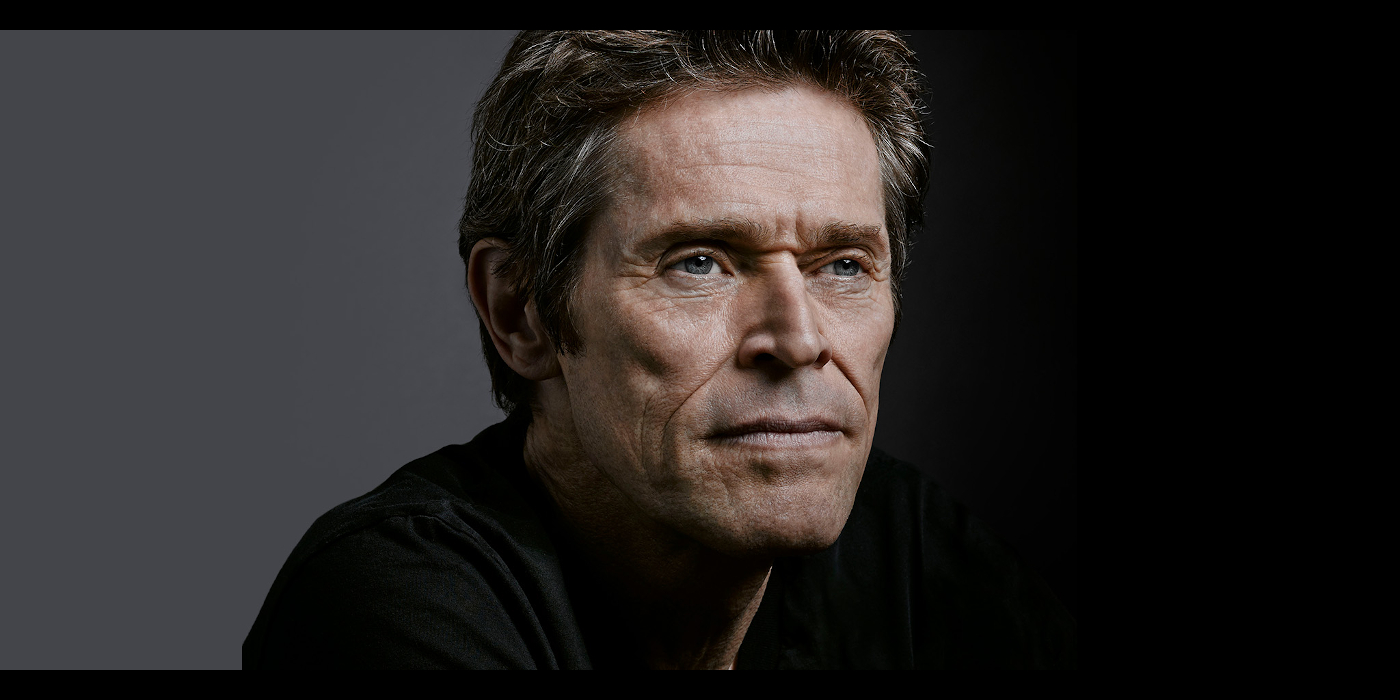
“Conversation with” at the 20th Marrakech IFF, interview with actor Willem Dafoe Bénédicte Prot
play_arrow
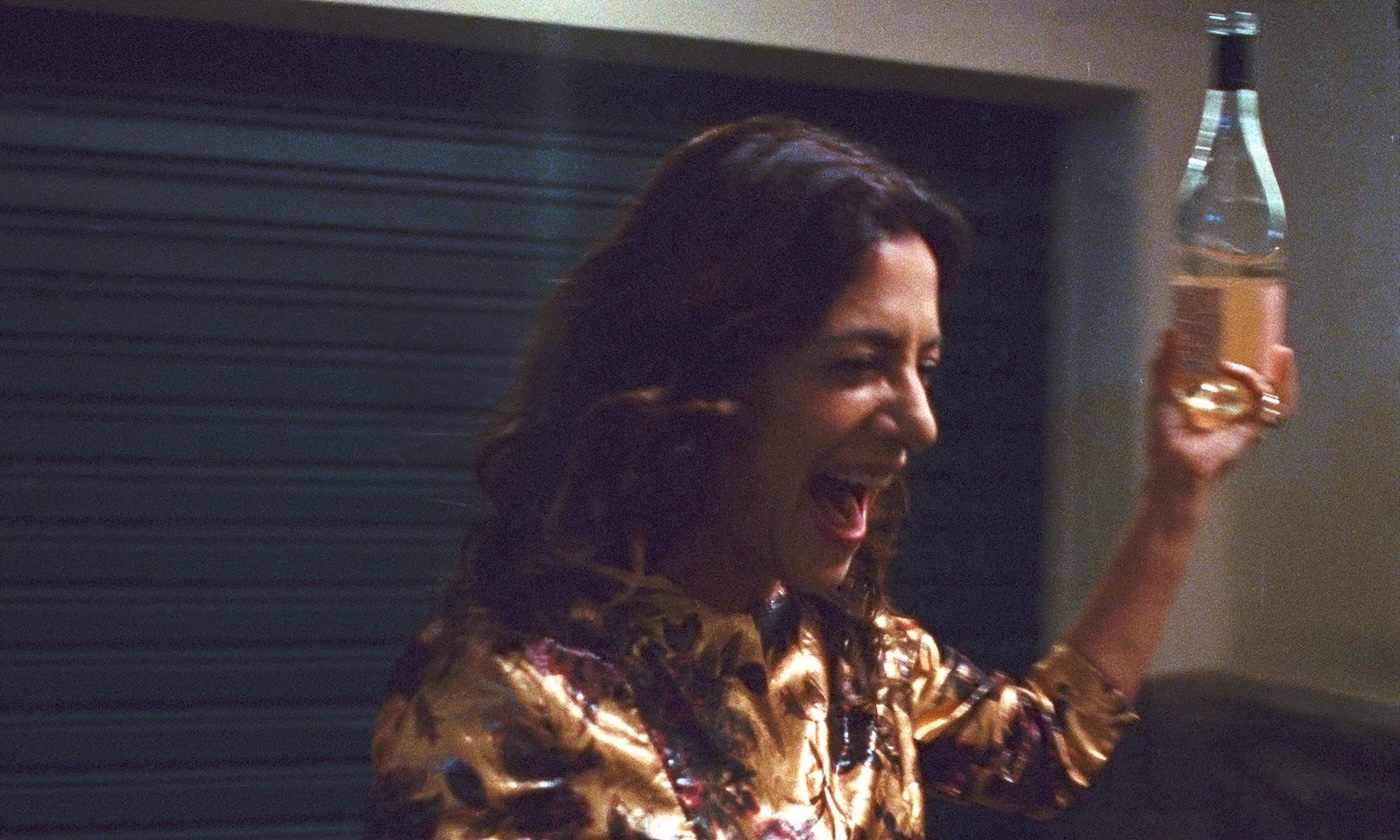
“Isabel”, interview with director Gabe Klinger and actress/screenwriter Marina Person Chiara Nicoletti
Brazilian director Gabe Klinger lands in the 76th Berlinale’s Panorama with his third film and second feature, “Isabel”, co-written by its protagonist, Marina Person.
The film marks the first time Klinger shoots in his own town São Paulo as he has only returned to live in his home country recently as he spent most of his life in Chicago, USA.
Isabel is the story of a sommelière in São Paulo’s fine-dining scene who dreams of escaping her controlling boss and opening her own wine bar. Is it a film about the journey of a sommelière in crisis?
“Isabel’s story is not just about a sommelière in crisis” – suggest Klinger and Person, “it’s about the human desire to find meaning in everyday moments and personal choices”.
The filmmakers know well that the character is a product of São Paulo’s middle class, that Isabel exists in a space of tenuousness and privilege. “No one’s gonna die,” one of Isabel’s fellow sommelières assures her, grounding us in reality by reminding us there is, in fact, a safety net to this story.
But the film is ultimately reclaiming the right—and giving its protagonist the opportunity—to desire a radical change in her life, even if, from the outside, it might seem as though she lacks nothing.
The city of São Paulo plays a pivotal role in the film Isabel, acting as a vibrant backdrop that influences the characters’ lives. Klinger’s intention was to capture the authentic spirit of the city, portraying its chaos, beauty, and cultural richness. This setting becomes a character itself, adding depth to Isabel’s introspective journey. Shooting in São Paulo allowed the creators to embed local flavors and social realities into the narrative, making the film a true reflection of the place that shaped its story and characters.
Creative Collaboration and the Making of the film
The creation of “Isabel” was a highly collaborative process, emphasizing the importance of shared vision. Klinger envisioned Marina Person, the film’s protagonist, not just as an actress but as a vital creative partner. Marina’s involvement in writing dialogues and shaping her character exemplifies the film’s democratic and inclusive approach. This synergy between creator and performer helped craft a film that feels genuine and resonant, emphasizing the importance of collaboration in capturing the film’s thematic essence.
The film chooses to approach Isabel defeats as we through languid melancholy rather than tragedy.
The film chooses to approach both Isabel’s defeats and her victories with a languid melancholy rather than through the tools of drama and tragedy. Melancholy is a feeling that permeates Klinger’s work, present as well in his previous film, “Porto”, and it becomes a fil rouge connecting the Brazilian director’s films.
Isabel, a sommelière in São Paulo’s fine-dining scene, dreams of escaping her controlling boss and opening her own wine bar, where she decides what goes in the glass. When her plans fail to ferment as expected, Isabel must decide between playing it safe and taking her one bold chance to uncork her destiny on her own terms.

Written by: Chiara Nicoletti
Film
IsabelFestival
Berlinale"Iván & Hadoum", Ian De La Rosa’s debut feature, is the winner of the Teddy Award at the 76th Berlinale.
"I Understand Your Displeasure" by Kilian Armando Friedrich sheds light on social inequality, exploitation, and the resilience of marginalized workers in Germany’s cleaning sector.
The Berlin International Film Festival (Berlinale) is a festival showcasing bold, artist-driven films that challenge norms, inspire dialogue, and reflect today’s urgent political and cultural issues.
todayJanuary 31, 2026 2
Discover the secrets of the Co-Production Market at Berlinale—top projects, selection process, and how it fuels international collaborations in film and series, through the words of is Head, Martina Bleis.
"A Family" by Mees Peijnenburg, presented at the 76th Berlinale, is about two kids caught in the crossfire of their parents' divorce.
"No Good Men" by Shahrbanoo Sadat, the opening film of the 76th Berlinale, is a a political romantic comedy.
Premiering at the 76th Berlinale, "Mouse" stars Academy Award nominee Sophie Okonedo and Katherine Mallen-Kupferer.
From the directors of "Ghostlight" Kelly O’Sullivan and Alex Thompson, "Mouse" is a delicate coming-of-age premiering at the 76th Berlinale.
© 2023 Emerald Clear Ltd - all rights reserved.