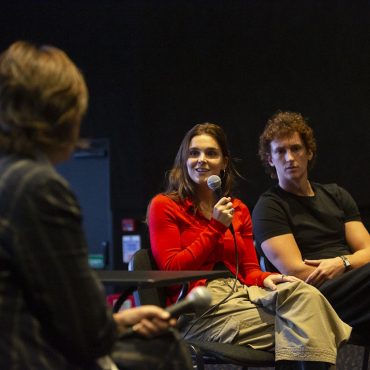
Actress-turned-director and known feminist activist Judith Godrèche tells us more about her adaptation of fellow-activist Annie Ernaux‘ 2016 novel, presented in the Un Certain Regard section of the 79th Cannes Film Festival.
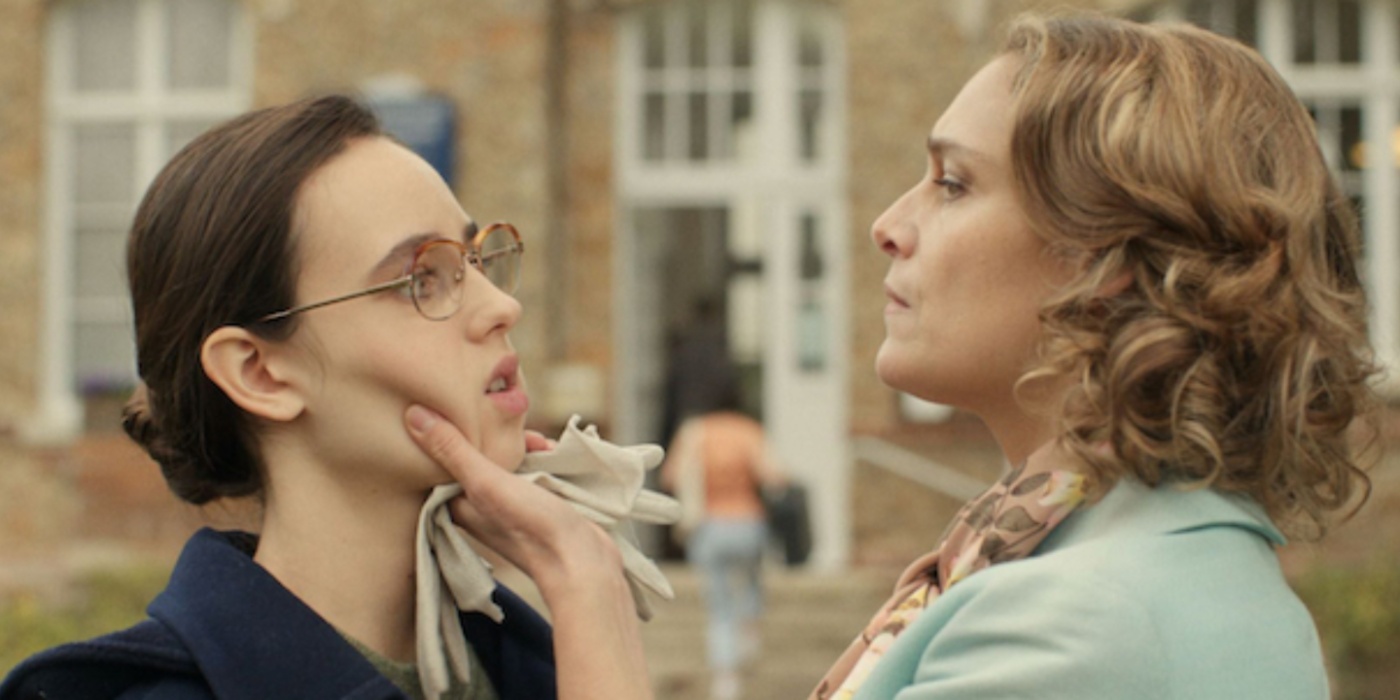
Judith Godrèche explains why she wanted the Nobel Prize-winning author to be included in the film, to be “a character too”. We discuss the shame her main character Annie, in 1958, feels about things she feels responsible for when she isn’t – “She’s carrying the weight of that and it impacts her body, and it impacts her future and her vision of her future“. We also discuss the role of Annie’s mother in her gradual path towards emancipation through studying – “She did not want Annie to clean the house, she did not want to teach Annie how to iron… Annie’s mum was a very important leader and wanted Annie to study so she wouldn’t get married, have kids. Even in her mum, there was a thirst for independence“.
The French director details her approach of the central trauma and of the intimate scenes, underlining that the banality of it, at the time, had to be represented too. She also recounts what led her to casting her own daughter Tess Barthélemy to play Annie, and points out that it felt very important to her that she would discover the job of actress in the best possible conditions.
Plot
Annie Ernaux is invited to sign her latest book in the city of her childhood, Rouen. As she travels there, she is overcome with vertigo and is plunged back into her first night with a man. A night whose shockwave spread violently through her body and across the rest of her life…