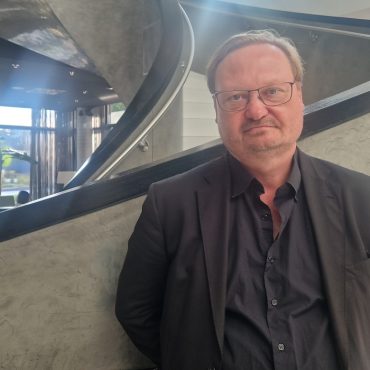
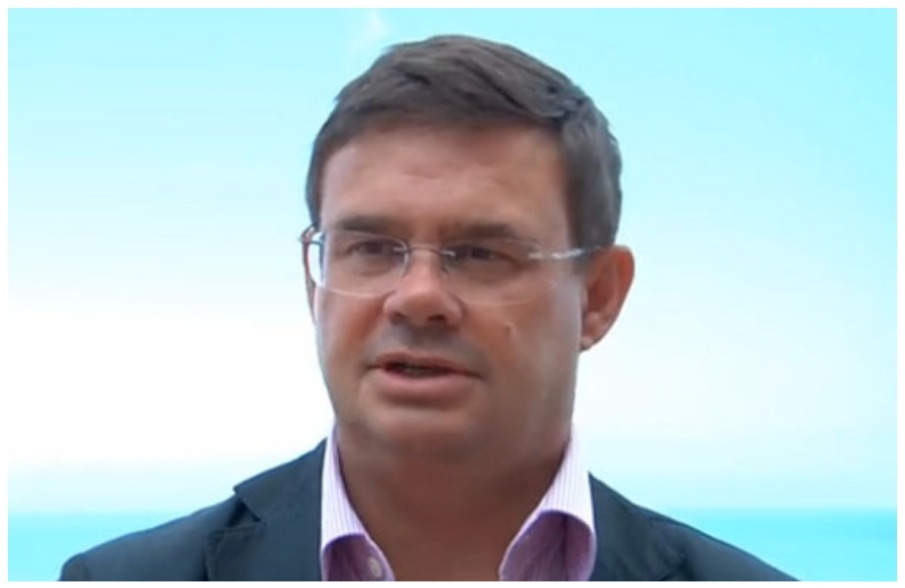
Marian Arechega, the director of the Edinburgh Spanish Film Festival, discusses the evolution and highlights of the festival’s 13th edition. She emphasises the festival’s growth in Scotland, its diverse programming, and its efforts to foster cultural exchange through Spanish cinema. This interview offers insight into how the festival continues to strengthen its role as a key platform for Spanish films in the UK.
The festival’s development and regional reach
Marian Arechega explains that the Edinburgh Spanish Film Festival began thirteen years ago with no prior experience in organising such an event. Over time, it has established itself firmly within Scotland, attracting a growing audience and creating a stable cultural initiative. Originally focused solely on Edinburgh, the festival now extends its screenings to several Scottish cities and even beyond, including one event in Manchester, broadening its impact and visibility.
Diversity of themes and films in Edinburgh Spanish Film Festival
This year’s edition features a wide-ranging program that defies a single theme, offering genres from drama and comedy to social cinema and romance. Marian highlights that the core focus is on imperfect family relationships, exploring conflicts and secrets across generations. The festival also emphasises stories of individuals seeking their place in the world, with films portraying both youth and older generations, and dialogues connecting past and present. A notable aspect is its commitment to showcasing female voices and stories of resilience.
Celebrating Spanish and Latin American cinema at Edinburgh Spanish Film Festival
The festival maintains a strong presence of Spanish films, with special sections that highlight films made in the Basque Country and in Latin America. Marian notes that Latin American cinema is always part of the programme, despite logistical challenges and costs. The Basque window is a recent addition, supported by a sponsor, showcasing films in both Euskera and Spanish. This year’s selection includes the queer ageing dramedy Maspalomas (Dirs. Jose Mari Goenaga and Aitor Arregui, 2025), and folk horror fantasy Gaua, directed by Paul Urkijo. This diversity underscores thefestival’ss role in promoting lesser-represented regions and languages within Spanish-speaking cinema, enriching the cultural dialogue in Scotland.
Programme Highlights
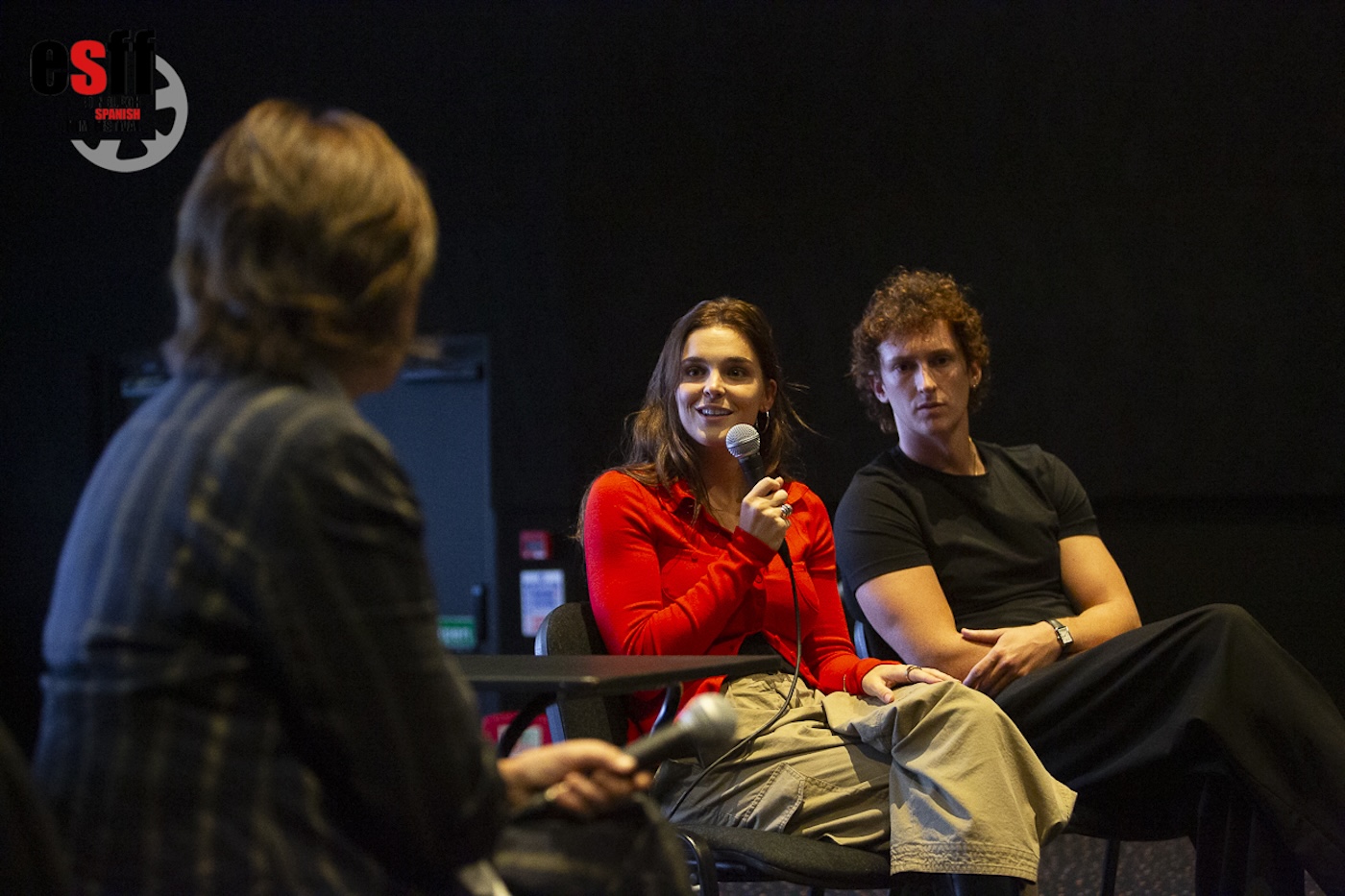
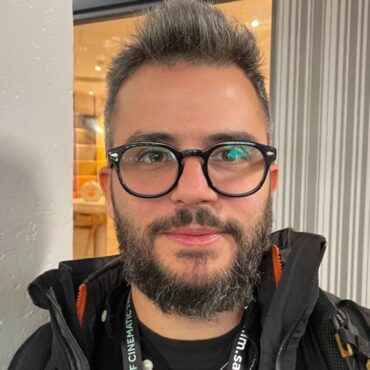
Among thisedition’ss highlights, Arechega discusses the sold-out gala screenings of Rondallas/Band Together (Daniel Sánchez Arévalo, 2026), which opens the festival with the presence of leading actors Judith Fernández and Fer Fraga (in the photo with Marian), and the special preview of thisyear’s Spanish Oscar contender La bola negra, directed by Javier Calvo and Javier Ambrossi (winners of thisyear’s Cannes Festival Award for Best Direction). Author and screenwriter Alberto Conejero will be in attendance at the Festival for a Q&A after the screening.