


“The Red Hangar”, interview with director Juan Pablo Sallato
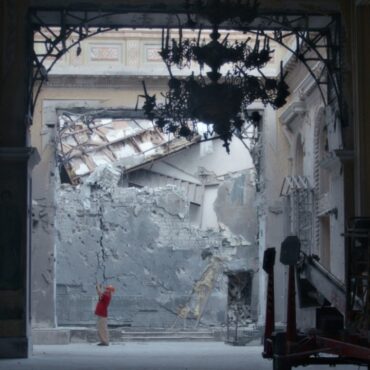
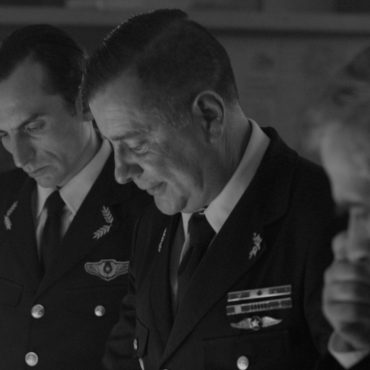
"The Red Hangar" by director Juan Pablo Sallato is a powerful Chilean film exploring moral dilemmas during the 1973 military coup, combining stark visuals with deep psychological insight.
Listeners:
Top listeners:
 play_arrow
ENGLISH Channel 01 If English is your language, or a language you understand, THIS IS YOUR CHANNEL !
 play_arrow
ITALIAN Channel 02 Se l’italiano è la tua lingua, o una lingua che conosci, QUESTO È IL TUO CANALE!
 play_arrow
EXTRA Channel 03 FRED Film Radio channel used to broadcast press conferences, seminars, workshops, master classes, etc.
 play_arrow
GERMAN Channel 04 Wenn Ihre Sprache Deutsch ist, oder Sie diese Sprache verstehen, dann ist das IHR KANAL !
 play_arrow
POLISH Channel 05
 play_arrow
SPANISH Channel 06 Si tu idioma es el español, o es un idioma que conoces, ¡ESTE ES TU CANAL!
 play_arrow
FRENCH Channel 07 Si votre langue maternelle est le français, ou si vous le comprenez, VOICI VOTRE CHAINE !
 play_arrow
PORTUGUESE Channel 08
 play_arrow
ROMANIAN Channel 09 Dacă vorbiţi sau înţelegeţi limba română, ACESTA ESTE CANALUL DUMNEAVOASTRĂ!
 play_arrow
SLOVENIAN Channel 10
 play_arrow
ENTERTAINMENT Channel 11 FRED Film Radio Channel used to broadcast music and live shows from Film Festivals.
 play_arrow
BULGARIAN Channel 16 Ако българският е вашият роден език, или го разбирате, ТОВА Е ВАШИЯТ КАНАЛ !
 play_arrow
CROATIAN Channel 17 Ako je hrvatski tvoj jezik, ili ga jednostavno razumiješ, OVO JE TVOJ KANAL!
 play_arrow
LATVIAN Channel 18
 play_arrow
DANISH Channel 19
 play_arrow
HUNGARIAN Channel 20
 play_arrow
DUTCH Channel 21
 play_arrow
GREEK Channel 22
 play_arrow
CZECH Channel 23
 play_arrow
LITHUANIAN Channel 24
 play_arrow
SLOVAK Channel 25
 play_arrow
ICELANDIC Channel 26 Ef þú talar, eða skilur íslensku, er ÞETTA RÁSIN ÞÍN !
 play_arrow
INDUSTRY Channel 27 FRED Film Radio channel completely dedicated to industry professionals.
 play_arrow
EDUCATION Channel 28 FRED Film Radio channel completely dedicated to film literacy.
 play_arrow
SARDU Channel 29 Si su sardu est sa limba tua, custu est su canale chi ti deghet!
 play_arrow
“Conversation with” at the 20th Marrakech IFF, interview with actor Willem Dafoe Bénédicte Prot
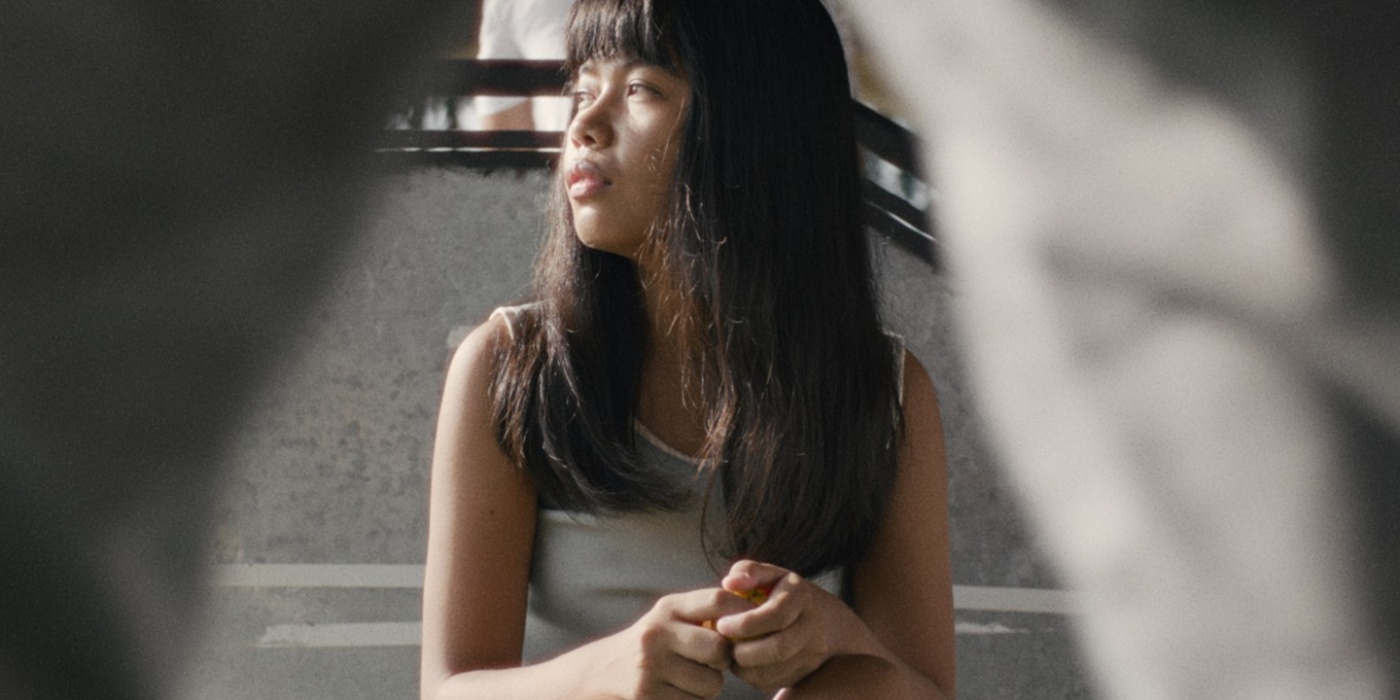
“Filipiñana” delves into the intricate layers of Philippine society. The film, directed by Rafael Manuel, uses stylistic choices and thematic depth to explore social divides, structural violence, and the invisible struggles.
The term “Filipiñana” refers to the rich tapestry of Philippine culture, history, and identity. In Rafael Manuel’s film, the word serves as a key to understanding the country’s ongoing issues of class division and structural inequality. The film’s visuals and narrative artfully reveal how beauty and perfection can mask deeper societal conflicts, especially through the lens of a golf course set against communities facing water shortages. The use of precise framing and symmetrical compositions emphasizes the stark contrast between opulence and poverty, reinforcing the film’s message about hidden violence.
The film reveals the often overlooked world of a tee-girl, a job unique to the Philippines that symbolizes the class divide. The film highlights how these girls serve the wealthy on golf courses, sitting immobilized for hours while their environment reflects a stark disparity. Manuel’s choice to focus on this specific aspect of “Filipiñana” underscores how cultural practices and societal roles encapsulate larger structural issues. The film invites viewers to consider how these invisible social dynamics define identities and perpetuate inequality.
The film is characterized by its minimalist narrative and striking visual style, which Rafael Manuel deliberately employs to reflect the themes of stasis and structural violence. The use of symmetrical framing and still camera shots creates a cold, detached atmosphere that mirrors the emotional distance within the social strata depicted. Manuel explains that these choices are about form as much as style: beauty is used to evoke violence, and stillness emphasizes the stagnation faced by the marginalized.
Rafael Manuel also intentionally eschews conventional action-driven storytelling, instead drawing inspiration from music structures like verses and choruses. This approach encourages audiences to engage with the film’s subtle movements and textures, paralleling the quiet resilience and irony often found in Filipino humor. The languid pace and restrained storytelling accentuate the social commentary, illustrating how even small actions within this silent world can hold significant ripple effects. “Filipiñana” ’s style underscores the idea that, sometimes, the most profound truths lie in stillness and minimalism.
The “tee-girls” fulfil their duties stoically, squatting in the dust as they sort golf balls. They fish them out of the water-lily-covered ponds and place them for the golfers as they swing their clubs narrowly past the girls’ faces. Their boss surveys the scene sternly, watching everything and everyone. Isabel still has to learn the ropes but is already looking for shortcuts. The golf course as a self-contained cosmos that reflects social conditions.
"The Red Hangar" by director Juan Pablo Sallato is a powerful Chilean film exploring moral dilemmas during the 1973 military coup, combining stark visuals with deep psychological insight.
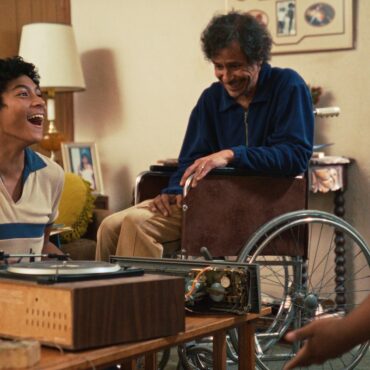
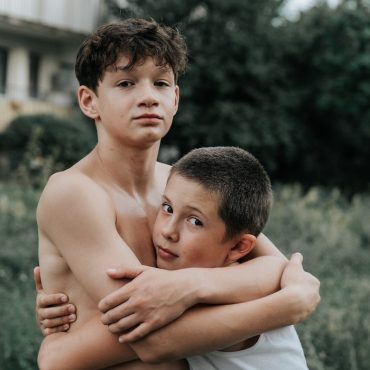
At the 75.Berlinale, "Olmo" by Fernando Eimbcke, a coming-of-age story rooted in family.
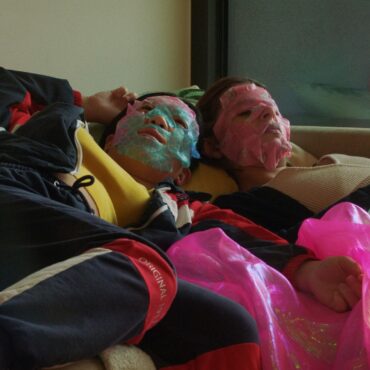
Fwends, by director Sophie Sommerville, delves into the transitional phase from adolescence to adulthood through the reunion of two friends.
When Lightning Flashes Over the Sea by director Eva Neymann is a tribute to the resilience of Odesa's residents amidst war.
Maciej Sobieszczański on "Brother": from a real-life prison encounter to crafting a quiet, intimate drama about absence, family and fragile hope.
Agnieszka Holland reflects on a bold, kaleidoscopic take on Kafka with "Franz", exploring the man behind the myth and his unexpected modern-day legacy.
Discover the Hallucination Collective Film Festival in this interview with programmer Éric Peretti: unveiling underground vampire flicks and Mexican exploitation gems in Lyon’s most daring cinematic showcase.
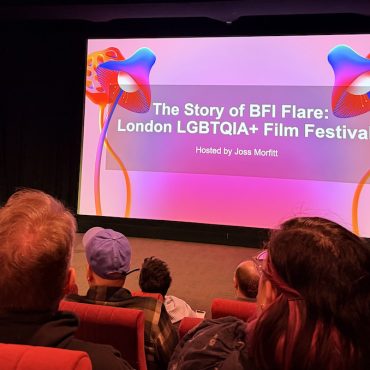
Discover the story of BFI Flare’s history through the eyes of Joss Morfitt, researcher and writer, revealing how queer cinema and London's LGBTQ+ culture have evolved over 40 years.