

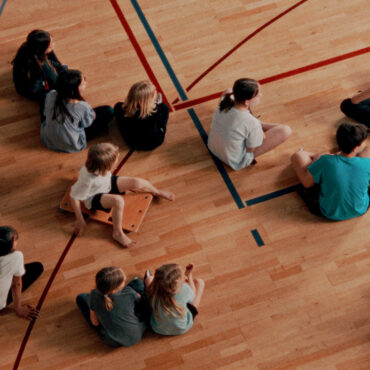
“1:10”, interview with director Sinan Taner
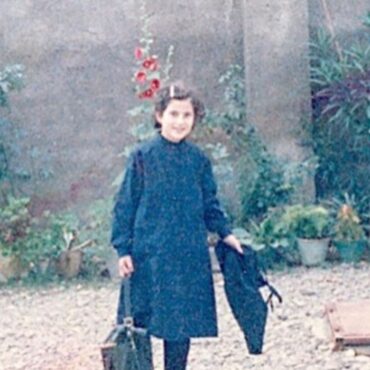
1:10, inspired by Sinan Taner’s personal experience, is a witty and poignant depiction of the clash of different cultures and different generations.
Listeners:
Top listeners:
 play_arrow
ENGLISH Channel 01 If English is your language, or a language you understand, THIS IS YOUR CHANNEL !
 play_arrow
ITALIAN Channel 02 Se l’italiano è la tua lingua, o una lingua che conosci, QUESTO È IL TUO CANALE!
 play_arrow
EXTRA Channel 03 FRED Film Radio channel used to broadcast press conferences, seminars, workshops, master classes, etc.
 play_arrow
GERMAN Channel 04 Wenn Ihre Sprache Deutsch ist, oder Sie diese Sprache verstehen, dann ist das IHR KANAL !
 play_arrow
POLISH Channel 05
 play_arrow
SPANISH Channel 06 Si tu idioma es el español, o es un idioma que conoces, ¡ESTE ES TU CANAL!
 play_arrow
FRENCH Channel 07 Si votre langue maternelle est le français, ou si vous le comprenez, VOICI VOTRE CHAINE !
 play_arrow
PORTUGUESE Channel 08
 play_arrow
ROMANIAN Channel 09 Dacă vorbiţi sau înţelegeţi limba română, ACESTA ESTE CANALUL DUMNEAVOASTRĂ!
 play_arrow
SLOVENIAN Channel 10
 play_arrow
ENTERTAINMENT Channel 11 FRED Film Radio Channel used to broadcast music and live shows from Film Festivals.
 play_arrow
BULGARIAN Channel 16 Ако българският е вашият роден език, или го разбирате, ТОВА Е ВАШИЯТ КАНАЛ !
 play_arrow
CROATIAN Channel 17 Ako je hrvatski tvoj jezik, ili ga jednostavno razumiješ, OVO JE TVOJ KANAL!
 play_arrow
LATVIAN Channel 18
 play_arrow
DANISH Channel 19
 play_arrow
HUNGARIAN Channel 20
 play_arrow
DUTCH Channel 21
 play_arrow
GREEK Channel 22
 play_arrow
CZECH Channel 23
 play_arrow
LITHUANIAN Channel 24
 play_arrow
SLOVAK Channel 25
 play_arrow
ICELANDIC Channel 26 Ef þú talar, eða skilur íslensku, er ÞETTA RÁSIN ÞÍN !
 play_arrow
INDUSTRY Channel 27 FRED Film Radio channel completely dedicated to industry professionals.
 play_arrow
EDUCATION Channel 28 FRED Film Radio channel completely dedicated to film literacy.
 play_arrow
SARDU Channel 29 Si su sardu est sa limba tua, custu est su canale chi ti deghet!
 play_arrow
“Conversation with” at the 20th Marrakech IFF, interview with actor Willem Dafoe Bénédicte Prot
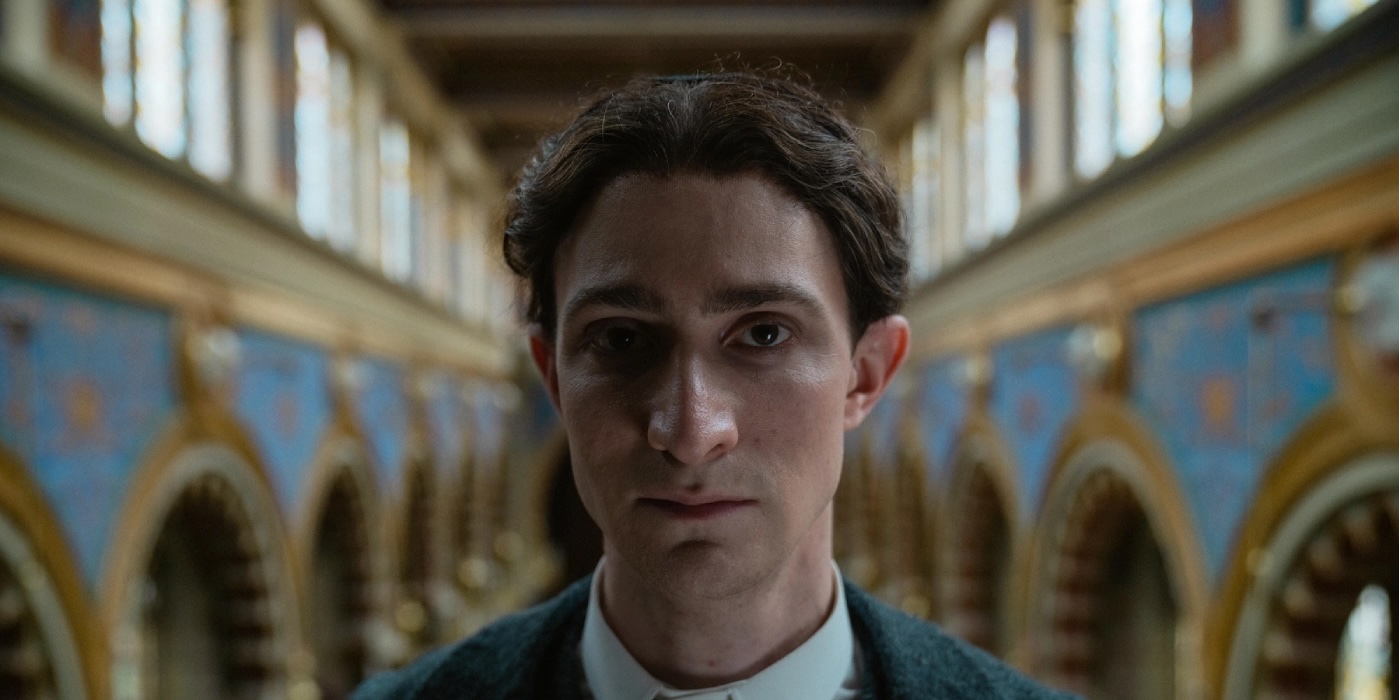
At the Kinoteka Polish Film Festival 2026 in London, Agnieszka Holland presented “Franz”, her bold and unconventional portrait of Franz Kafka. Speaking to Fred Film Radio, the director reflected on her long-standing relationship with Kafka’s work, her decision to move away from the traditional biopic form, and the personal and political resonances that continue to shape her filmmaking.
Agnieszka Holland described “Franz” as a deliberately non-linear, “kaleidoscopic” exploration of Kafka’s life, rejecting the idea of a conventional biopic. For her, a chronological approach would have felt “dead,” unable to capture the complexity of the writer’s inner world. Instead, she embraced a structure built on fragments, shifting timelines and perspectives, allowing audiences to form their own interpretation rather than imposing a singular viewpoint. This openness, she noted, has led to varied reactions — from viewers returning to the film multiple times to others struggling with its form — something she sees as part of its design.
By titling the film “Franz”, Holland aimed to bring audiences closer to the human being rather than the literary icon. She emphasised Kafka’s sense of isolation, his inability to conform, and his ongoing struggle between personal desire and societal expectations — particularly in relation to his father. This fraught relationship, reflected in Kafka’s own writings, became central to understanding both his life and work. Agnieszka Holland was also keen to highlight his humour, sensuality and joy, pushing back against the familiar image of Kafka as solely a figure of suffering.
The film’s shifts into present-day Prague — including references to Kafka’s cultural afterlife — reflect Holland’s curiosity about how artists are remembered and commodified. While she imagines Kafka might have been both intrigued and unsettled by his global legacy, she humorously suggests his father would have been delighted by its commercial potential. More broadly, Agnieszka Holland sees the film as an invitation for audiences, particularly younger viewers, to project their own fears and doubts onto Kafka’s story. Presenting the film at Kinoteka held particular significance for her, not least as it continues to celebrate Polish cinema and the legacy of filmmakers like Andrzej Wajda, whom she described as a mentor and close friend.
Selected as Poland’s official Oscar submission, Agnieszka Holland’s bold and dynamic portrait of Franz Kafka finds a creative young man at odds with the world. Franz is torn between a stern father and the monotony of his job at an insurance company, and an overwhelming desire to write. What emerges is an author who transforms his lived experiences into a vision of a bureaucratic world that edges towards nightmare. Idan Weiss excels as the young Kafka with Josef Trojan skilfully playing his alter ego and Tomasz Naumiuk's camera beautifully conjures up early 20th-century Prague.
1:10, inspired by Sinan Taner’s personal experience, is a witty and poignant depiction of the clash of different cultures and different generations.
From the italian salt mine where the film was shot, the exclusive interview with Joshua Oppenheimer for The End
My Stolen planet by Iranian director Farahnaz Sharifi, after premiering at the latest Berlinale, is screening in the RealeNonReale sectionat the 37°Bolzano Film Festival .
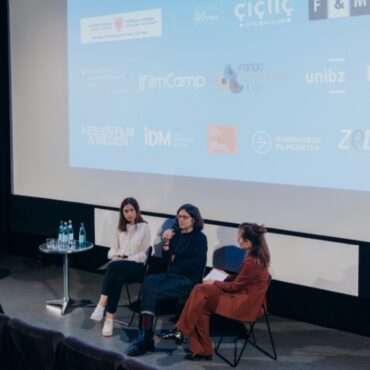
The Head of IDM Film Commission Südtirol, Birgit Oberkofler, launches the first edition of the international and inclusive programme to support the production of short films.
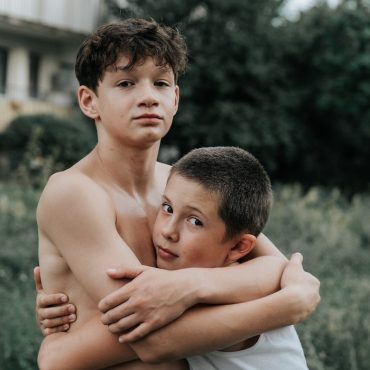
Maciej Sobieszczański on "Brother": from a real-life prison encounter to crafting a quiet, intimate drama about absence, family and fragile hope.
Discover the Hallucination Collective Film Festival in this interview with programmer Éric Peretti: unveiling underground vampire flicks and Mexican exploitation gems in Lyon’s most daring cinematic showcase.
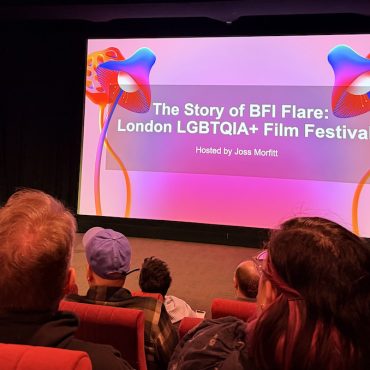
Discover the story of BFI Flare’s history through the eyes of Joss Morfitt, researcher and writer, revealing how queer cinema and London's LGBTQ+ culture have evolved over 40 years.
Bari International Film Festival
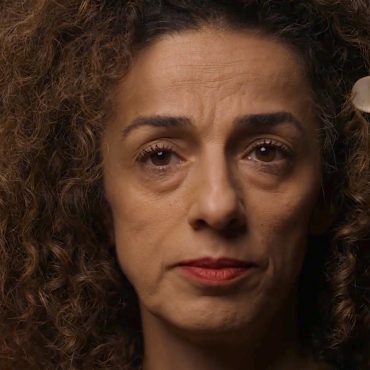
At the Bari International Film & TV Festival, director Raha Shirazi reflects on memory, resistance and the power of Iranian women’s voices in her documentary "A War on Women".