

“Only Rebels Win”, interview with actress Hiam Abbass
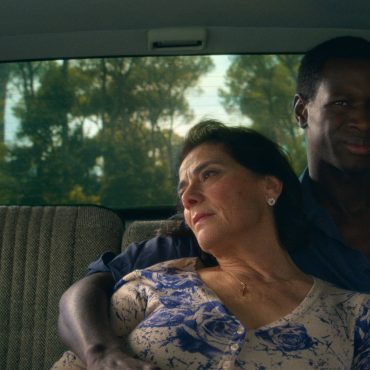
"Only Rebels Win" by Danielle Arbid opens the 76th Berlinale’s Panorama with Hiam Abbass in the leading role.
Listeners:
Top listeners:
 play_arrow
ENGLISH Channel 01 If English is your language, or a language you understand, THIS IS YOUR CHANNEL !
 play_arrow
ITALIAN Channel 02 Se l’italiano è la tua lingua, o una lingua che conosci, QUESTO È IL TUO CANALE!
 play_arrow
EXTRA Channel 03 FRED Film Radio channel used to broadcast press conferences, seminars, workshops, master classes, etc.
 play_arrow
GERMAN Channel 04 Wenn Ihre Sprache Deutsch ist, oder Sie diese Sprache verstehen, dann ist das IHR KANAL !
 play_arrow
POLISH Channel 05
 play_arrow
SPANISH Channel 06 Si tu idioma es el español, o es un idioma que conoces, ¡ESTE ES TU CANAL!
 play_arrow
FRENCH Channel 07 Si votre langue maternelle est le français, ou si vous le comprenez, VOICI VOTRE CHAINE !
 play_arrow
PORTUGUESE Channel 08
 play_arrow
ROMANIAN Channel 09 Dacă vorbiţi sau înţelegeţi limba română, ACESTA ESTE CANALUL DUMNEAVOASTRĂ!
 play_arrow
SLOVENIAN Channel 10
 play_arrow
ENTERTAINMENT Channel 11 FRED Film Radio Channel used to broadcast music and live shows from Film Festivals.
 play_arrow
BULGARIAN Channel 16 Ако българският е вашият роден език, или го разбирате, ТОВА Е ВАШИЯТ КАНАЛ !
 play_arrow
CROATIAN Channel 17 Ako je hrvatski tvoj jezik, ili ga jednostavno razumiješ, OVO JE TVOJ KANAL!
 play_arrow
LATVIAN Channel 18
 play_arrow
DANISH Channel 19
 play_arrow
HUNGARIAN Channel 20
 play_arrow
DUTCH Channel 21
 play_arrow
GREEK Channel 22
 play_arrow
CZECH Channel 23
 play_arrow
LITHUANIAN Channel 24
 play_arrow
SLOVAK Channel 25
 play_arrow
ICELANDIC Channel 26 Ef þú talar, eða skilur íslensku, er ÞETTA RÁSIN ÞÍN !
 play_arrow
INDUSTRY Channel 27 FRED Film Radio channel completely dedicated to industry professionals.
 play_arrow
EDUCATION Channel 28 FRED Film Radio channel completely dedicated to film literacy.
 play_arrow
SARDU Channel 29 Si su sardu est sa limba tua, custu est su canale chi ti deghet!
 play_arrow
“Conversation with” at the 20th Marrakech IFF, interview with actor Willem Dafoe Bénédicte Prot
 play_arrow
“Narciso”, interview with director Marcelo Martinessi Chiara Nicoletti
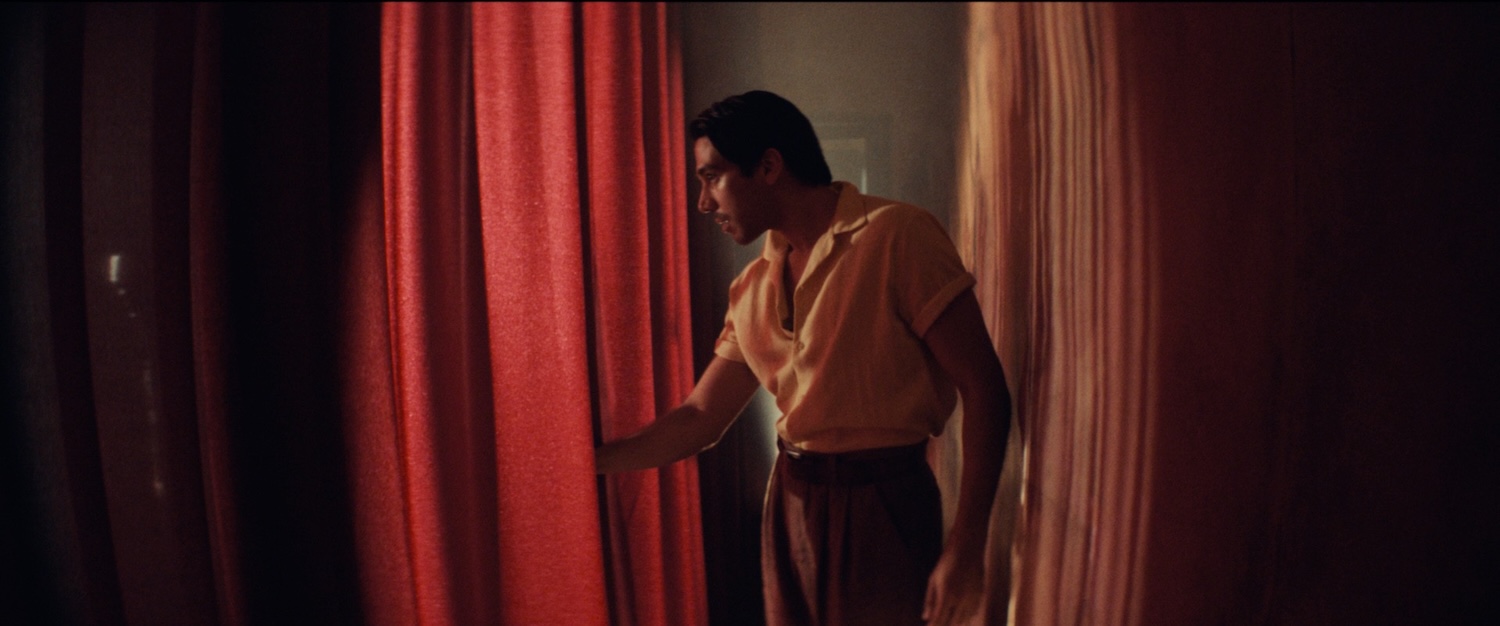
Presented in Panorama at the 76th Berlinale, “Narciso“ is the second feature film by Paraguayan director Marcelo Martinessi, whose debut “Las Herederas“ won the Silver Bear Alfred Bauer Prize in Competition at the Berlinale in 2018. Set in Asunción in 1959, the film follows Narciso, a charismatic young musician who becomes a symbol of freedom at a moment when rock ‘n’ roll has just arrived in Paraguay and when the Stroessner dictatorship is tightening its grip on bodies, desires and voices. Inspired by Guido Rodríguez Alcalá‘s investigation into the real murder of Bernardo Aranda, “Narciso” is a film noir that moves between dance and discipline, between the illusion of modernity and the consolidation of repression.
Eight years have passed since “Las Herederas” brought Marcelo Martinessi to international attention. In the meantime, he has made theatre, opened a cinema in his hometown in Paraguay, and spent years developing a project far more complex and experimental than his debut. “I ended up exhausted after Las Herederas” he admits, “but I’m now weirdly eager to make a film faster because I’m older, and if I make one film every eight years, I won’t make many.” The wait, however, was worth it. “Narciso” is a film that takes creative risks precisely because the success of the first one allowed him to. “We said: let’s use this trust and this blank check to experiment, to do something we would never have been able to finance if we were starting from scratch.”
The genesis of “Narciso” lies in Guido Rodríguez Alcalá‘s novel about a real criminal case that shook Paraguay in the late 1950s, a case in which the Stroessner regime used the murder of a young man as a pretext to persecute not only the LGBTQ+ community but anyone who didn’t align with its values. What drew Marcelo Martinessi to the novel was its refusal of easy binaries. “He doesn’t blame only the dictator, he also blames the society” says the director. “Cinema hardly ever really goes into the social fabric around dictators, into the people that support the regime. It’s always very binary: the dictator and the victims. But there’s a lot of grey in between.” It is in that grey zone that “Narciso” lives.
“Narciso” is set in 1959, but Marcelo Martinessi is clear that it speaks directly to the present and to a future he fears. “Authoritarianism comes back with different shapes” he says. Coming from a country like Paraguay, small and vulnerable to the political winds blowing from Washington, he feels the weight of that observation acutely: “We didn’t elect Trump, but we are having a lot of consequences of what happens in America in the South American region.” One line from Guido Rodríguez Alcalá‘s novel struck him as almost uncannily contemporary: a character shouts at Americans “you come here and think you can do whatever you want.” “That is from the 50s” Marcelo Martinessi says, “That is from two months ago.”
A central element of the film is radio, the only mass medium in Paraguay in the 1950s, and therefore a contested territory. Nationalist folklore music, the promotion of Paraguayan identity, the most popular soap opera of the time, Dracula, all coexisted on the airwaves, reflecting a country that couldn’t speak openly about what was happening to it. And then came rock ‘n’ roll, foreign and unsettling, carrying with it the contradictions of American influence in Latin America. “America has supported dictatorships in Latin America historically” Marcelo Martinessi reflects, “and at the same time brought rock and roll, which contradicted everything they promoted. There is a tension there that is very interesting to think about.”
For Marcelo Martinessi, cinema’s power lies precisely in its capacity to hold multiple things at once, history and the present, the particular and the universal, the visible and the hidden. “Narciso” can be read through different characters, followed along different threads. That openness is intentional: “Cinema has the possibility of touching a bit of everything” he says, “in order to understand what could have happened and what could happen in the future.”
Paraguay, 1959. Asunción vibrates for the first time with a foreign rhythm. Rock ’n’ roll has found its way onto the radio carrying heat, speed and the faint illusion that the times might suddenly move forward. The city feels younger, looser – briefly out of sync with itself. At the same time, another rhythm settles in. Slower. Heavier. A disciplined pulse that orders gestures, silences voices and redraws the limits of what can be seen or desired. Words like virtue, decency, tradition begin to circulate with unusual force, shaping a shared fear. In this charged atmosphere, the charismatic musician Narciso becomes a symbol of freedom. His youth, his body, his way of inhabiting the night resonate with the music and with the threat it carries. Desire becomes visible. And visibility, dangerous. What once passed unnoticed now attracts attention, suspicion, judgment. As the regime consolidates its power, morality determines the situation – both intimate and oppressive. The future does not disappear all at once; it tightens. It learns to watch itself. Between dance and discipline, a new order takes shape, and an entire generation feels it closing in.
"Only Rebels Win" by Danielle Arbid opens the 76th Berlinale’s Panorama with Hiam Abbass in the leading role.
"Gugu's world" by director Allan Deberton is a story of childhood, family bonds, and universal dreams set in rural Brazil. An emotional journey for all ages.
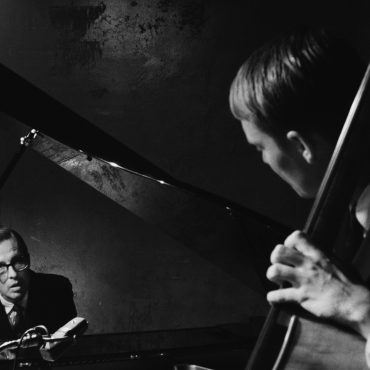
"Everybody Digs Bill Evans" captivates with its style and explores the jazz icon’s complex life, blending visual innovation with heartfelt storytelling and masterful performances.
The World Cinema Fund promotes international film diversity and supports local voices amid global challenges. Its director, Sata Cissokho gives us a deeper look into it.
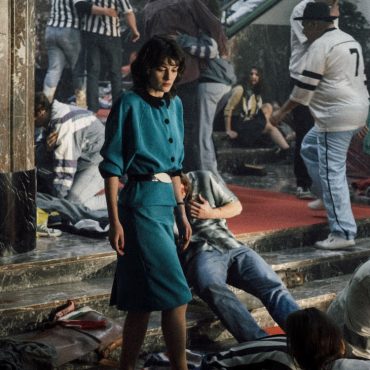
With Heysel 85, Teodora Ana Mihai turns a football tragedy into a mirror for today's world and the choices we make in times of crisis
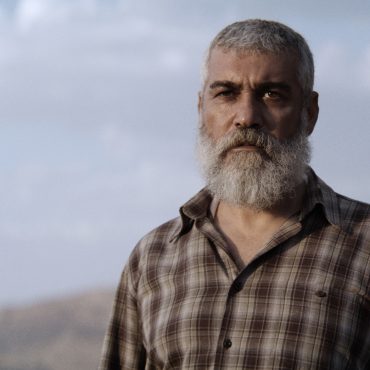
With Salvation, in competition at the 76th Berlinale, Emin Alper shows, by analyzing a village community, how people become radicalized.
A child of my own by Maite Alberdi marks the director’s return to Berlinale.
One Battle After Another led the 2026 Oscars with six wins, ahead of Sinners with four, in a ceremony shaped by politics, firsts and industry anxiety.