

“We Are All Strangers”, interview with director Anthony Chen
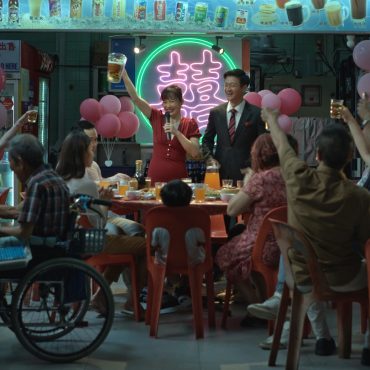
"We Are All Strangers" by Anthony Chen, in the 76th Berlinale competition marks the end of his Singapore life trilogy.
Listeners:
Top listeners:
 play_arrow
ENGLISH Channel 01 If English is your language, or a language you understand, THIS IS YOUR CHANNEL !
 play_arrow
ITALIAN Channel 02 Se l’italiano è la tua lingua, o una lingua che conosci, QUESTO È IL TUO CANALE!
 play_arrow
EXTRA Channel 03 FRED Film Radio channel used to broadcast press conferences, seminars, workshops, master classes, etc.
 play_arrow
GERMAN Channel 04 Wenn Ihre Sprache Deutsch ist, oder Sie diese Sprache verstehen, dann ist das IHR KANAL !
 play_arrow
POLISH Channel 05
 play_arrow
SPANISH Channel 06 Si tu idioma es el español, o es un idioma que conoces, ¡ESTE ES TU CANAL!
 play_arrow
FRENCH Channel 07 Si votre langue maternelle est le français, ou si vous le comprenez, VOICI VOTRE CHAINE !
 play_arrow
PORTUGUESE Channel 08
 play_arrow
ROMANIAN Channel 09 Dacă vorbiţi sau înţelegeţi limba română, ACESTA ESTE CANALUL DUMNEAVOASTRĂ!
 play_arrow
SLOVENIAN Channel 10
 play_arrow
ENTERTAINMENT Channel 11 FRED Film Radio Channel used to broadcast music and live shows from Film Festivals.
 play_arrow
BULGARIAN Channel 16 Ако българският е вашият роден език, или го разбирате, ТОВА Е ВАШИЯТ КАНАЛ !
 play_arrow
CROATIAN Channel 17 Ako je hrvatski tvoj jezik, ili ga jednostavno razumiješ, OVO JE TVOJ KANAL!
 play_arrow
LATVIAN Channel 18
 play_arrow
DANISH Channel 19
 play_arrow
HUNGARIAN Channel 20
 play_arrow
DUTCH Channel 21
 play_arrow
GREEK Channel 22
 play_arrow
CZECH Channel 23
 play_arrow
LITHUANIAN Channel 24
 play_arrow
SLOVAK Channel 25
 play_arrow
ICELANDIC Channel 26 Ef þú talar, eða skilur íslensku, er ÞETTA RÁSIN ÞÍN !
 play_arrow
INDUSTRY Channel 27 FRED Film Radio channel completely dedicated to industry professionals.
 play_arrow
EDUCATION Channel 28 FRED Film Radio channel completely dedicated to film literacy.
 play_arrow
SARDU Channel 29 Si su sardu est sa limba tua, custu est su canale chi ti deghet!
 play_arrow
“Conversation with” at the 20th Marrakech IFF, interview with actor Willem Dafoe Bénédicte Prot
 play_arrow
“Rosebush Pruning”, interview with director Karim Aïnouz Chiara Nicoletti
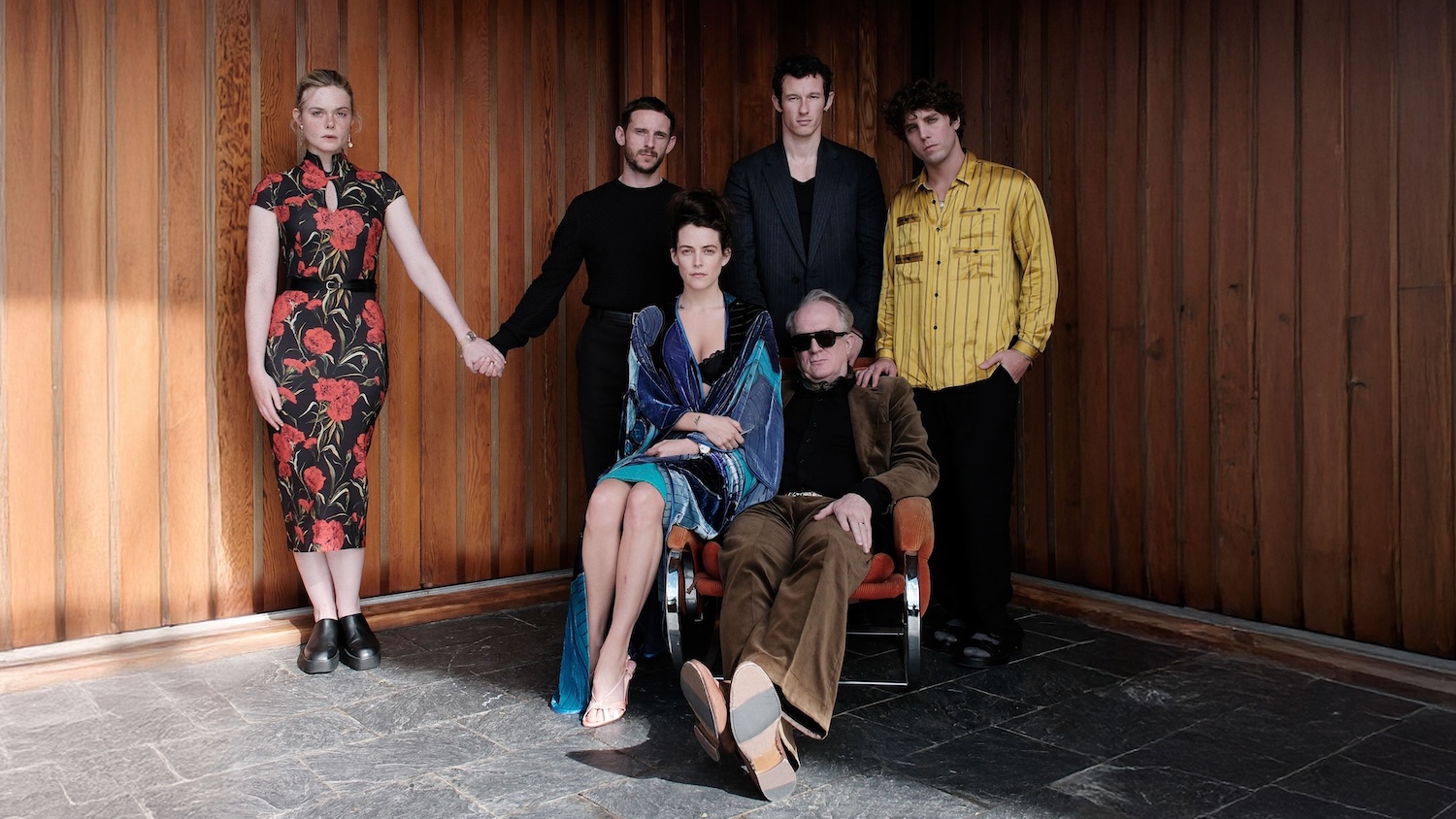
From a master of Italian cinema, Marco Bellocchio and his 1965 directorial debut, “I pugni in tasca”, comes “Rosebush Pruning”, the new film by Brazilian director Karim Aïnouz, who—after “Firebrand” —returns to directing an English-language feature with an all-star cast including Callum Turner, Riley Keough, Jamie Bell, Lukas Gage, Elena Anaya, Tracy Letts, Elle Fanning, and Pamela Anderson.
Presented in competition at the 76th Berlinale, the film is an outrageous contemporary satire about the absurdity of the traditional patriarchal family.
“Rosebush Pruning” brings together Karim Aïnouz’s feverish imagination and a classic of Italian cinema, Marco Bellocchio’s “Fists in the Pocket”. More than a simple remake, the film is a radical rewrite that shifts the center of conflict: no longer the mother as the family’s pathological fulcrum, but the father—an embodiment of blind yet pervasive power, and a mirror of a patriarchal society that perpetuates itself
Karim Aïnouz reveals the reason he loved Marco Bellocchio’s debut feature and the ways his “Rosebush Pruning” is connected to the 1965’s film : “I think it was the energy—the madness of it, really. Fists in the Pocket was made a year before I was born, and when I watched it again, years after the first time, I was struck by how modern it still feels. There’s something in it that makes you think: How did he do this? And maybe he didn’t even fully know what he was doing, because it was his first film. It feels incredibly intuitive, exciting, and inventive. of course, it’s not the same film and it’s not about the same themes. Bellocchio’s film isn’t about privilege; it’s about loss, mental illness, and other things. But what interested me was the blueprint—the structure. We took that blueprint and shifted the center: we removed the mother from that position and put the father there instead. So yes, it’s the same underlying framework, and it comes from my love for Bellocchio”.
If in the 1965 film the urgency was to break away from the provinces and their conventions, here the challenge is to expose the moral emptiness that lies beneath privilege.
The polished image of the family serves as the perfect counterpoint to its emptiness and to the inability of its members to form genuine bonds.
Karim Aïnouz develops the idea—already expressed during the film’s press conference—that the analysis of this family, the microcosm it represents, serves as a perfect example of the dynamics that gave rise, and still give rise today, to fascist-minded attitudes.
In an opulent villa beneath the Catalonian sun, American siblings Jack, Ed, Anna and Robert wallow in isolation and their inherited fortune, eschewing the demands of their blind father, and seeking love and validation through each other and their latest designer clothes. When Jack, the eldest brother and linchpin of this family, announces that he is moving in with his girlfriend Martha, blood ties are severed and Ed is forced to uncover the truth surrounding their mother’s death. Generational lies begin to unravel, and the fabric of this family slowly begins to disintegrate. A biting satire about the absurdity of the traditional patriarchal family.
"We Are All Strangers" by Anthony Chen, in the 76th Berlinale competition marks the end of his Singapore life trilogy.
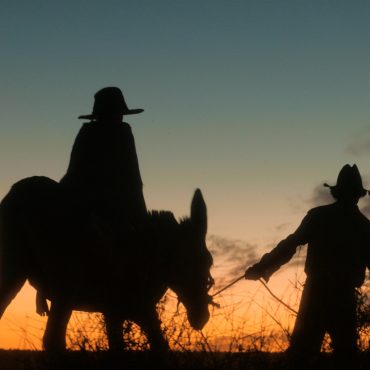
With "Wolfram", presented at the 76th Berlinale, Thornton goes back to the Western genre, this time filled with hope overcoming a tough world.
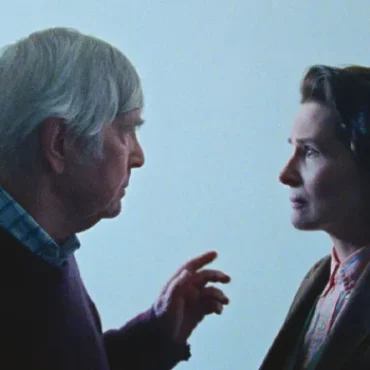
"Queen at Sea" by Lance Hammer, with Juliette Binoche was presented in Competition at the 76 Berlinale. The film explores the emotional toll of dementia on caregivers, highlighting raw, authentic human experiences without sentimentality.
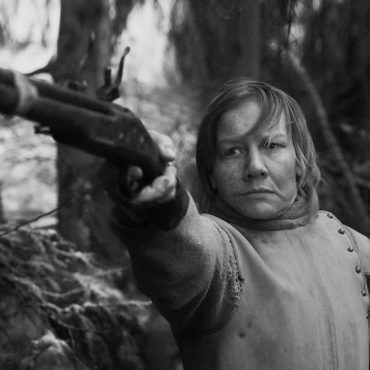
Markus Schleinzer discusses "Rose" in Competition at the 76th Berlinale, exploring identity, power and historical research.
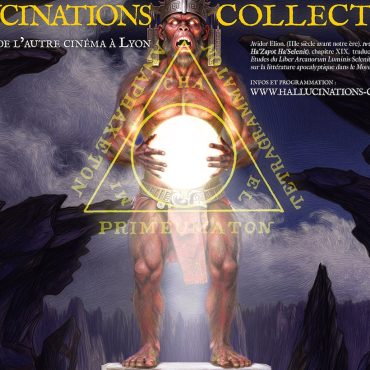
Discover the Hallucination Collective Film Festival in this interview with programmer Éric Peretti: unveiling underground vampire flicks and Mexican exploitation gems in Lyon’s most daring cinematic showcase.
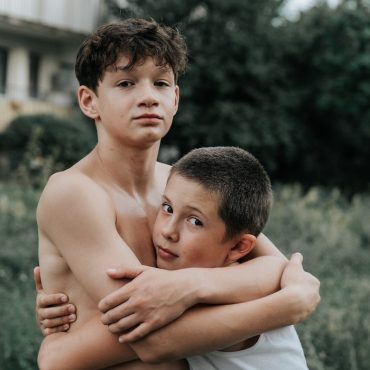
Maciej Sobieszczański on "Brother": from a real-life prison encounter to crafting a quiet, intimate drama about absence, family and fragile hope.
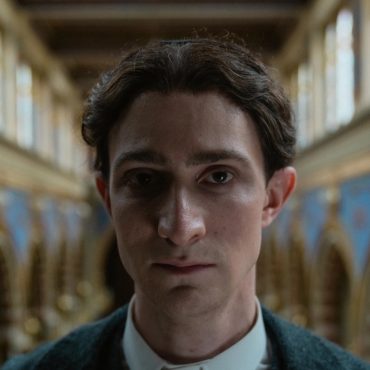
Agnieszka Holland reflects on a bold, kaleidoscopic take on Kafka with "Franz", exploring the man behind the myth and his unexpected modern-day legacy.
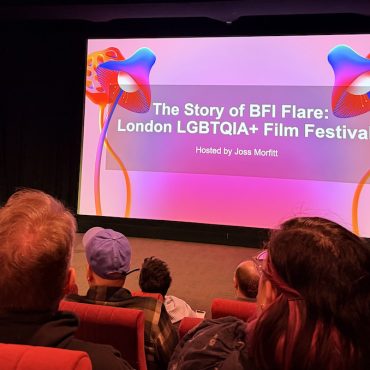
Discover the story of BFI Flare’s history through the eyes of Joss Morfitt, researcher and writer, revealing how queer cinema and London's LGBTQ+ culture have evolved over 40 years.