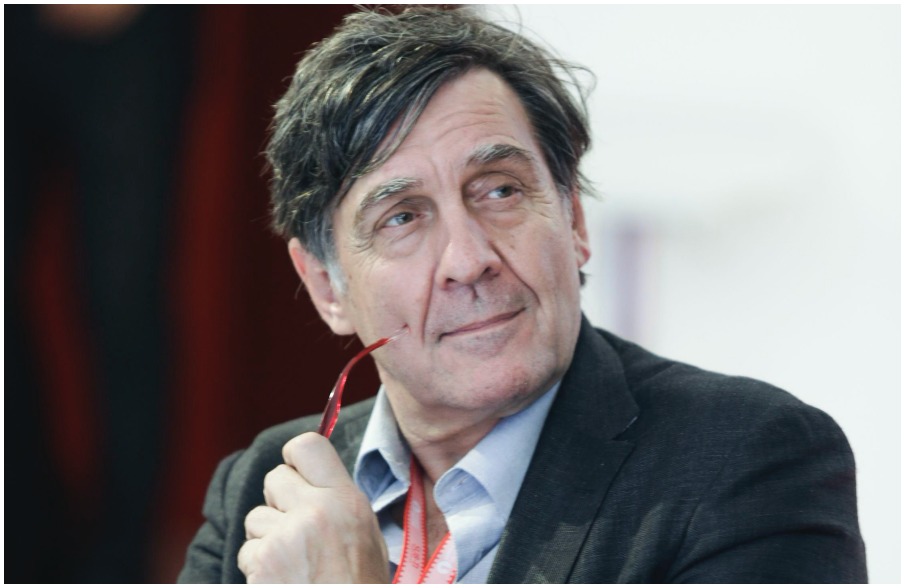


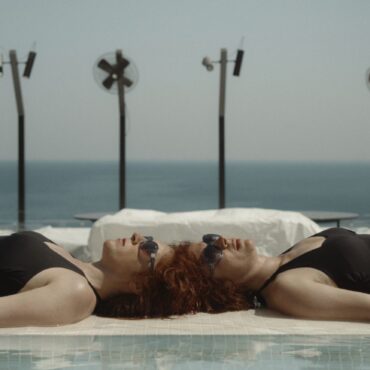
“Wishing on a star”, interview with director Peter Kerekes
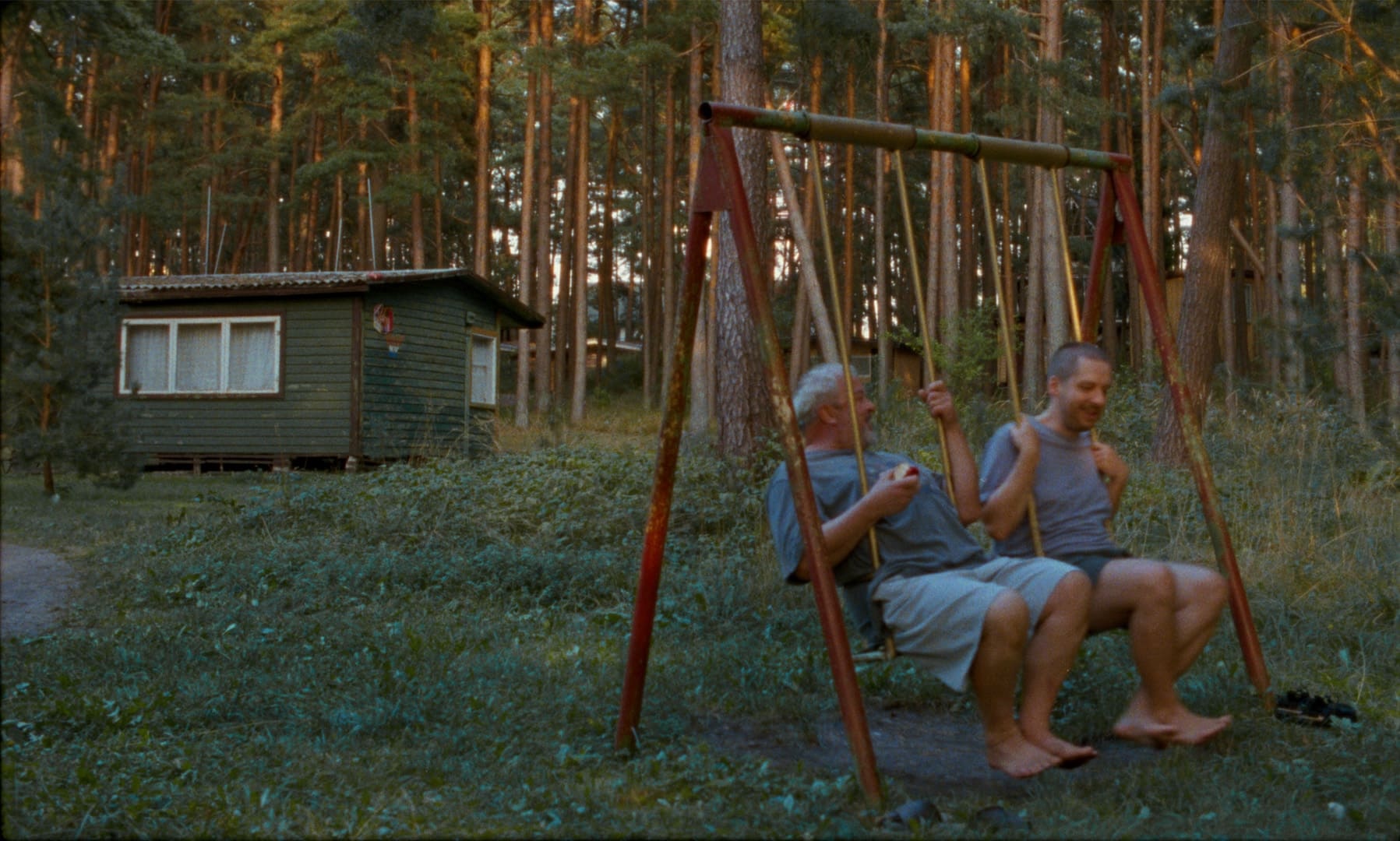
Wishing on a Star by Peter Kerekes is back screening in Italy, in Trieste and the FVG region where it was shot
Listeners:
Top listeners:
 play_arrow
ENGLISH Channel 01 If English is your language, or a language you understand, THIS IS YOUR CHANNEL !
 play_arrow
ITALIAN Channel 02 Se l’italiano è la tua lingua, o una lingua che conosci, QUESTO È IL TUO CANALE!
 play_arrow
EXTRA Channel 03 FRED Film Radio channel used to broadcast press conferences, seminars, workshops, master classes, etc.
 play_arrow
GERMAN Channel 04 Wenn Ihre Sprache Deutsch ist, oder Sie diese Sprache verstehen, dann ist das IHR KANAL !
 play_arrow
POLISH Channel 05
 play_arrow
SPANISH Channel 06 Si tu idioma es el español, o es un idioma que conoces, ¡ESTE ES TU CANAL!
 play_arrow
FRENCH Channel 07 Si votre langue maternelle est le français, ou si vous le comprenez, VOICI VOTRE CHAINE !
 play_arrow
PORTUGUESE Channel 08
 play_arrow
ROMANIAN Channel 09 Dacă vorbiţi sau înţelegeţi limba română, ACESTA ESTE CANALUL DUMNEAVOASTRĂ!
 play_arrow
SLOVENIAN Channel 10
 play_arrow
ENTERTAINMENT Channel 11 FRED Film Radio Channel used to broadcast music and live shows from Film Festivals.
 play_arrow
BULGARIAN Channel 16 Ако българският е вашият роден език, или го разбирате, ТОВА Е ВАШИЯТ КАНАЛ !
 play_arrow
CROATIAN Channel 17 Ako je hrvatski tvoj jezik, ili ga jednostavno razumiješ, OVO JE TVOJ KANAL!
 play_arrow
LATVIAN Channel 18
 play_arrow
DANISH Channel 19
 play_arrow
HUNGARIAN Channel 20
 play_arrow
DUTCH Channel 21
 play_arrow
GREEK Channel 22
 play_arrow
CZECH Channel 23
 play_arrow
LITHUANIAN Channel 24
 play_arrow
SLOVAK Channel 25
 play_arrow
ICELANDIC Channel 26 Ef þú talar, eða skilur íslensku, er ÞETTA RÁSIN ÞÍN !
 play_arrow
INDUSTRY Channel 27 FRED Film Radio channel completely dedicated to industry professionals.
 play_arrow
EDUCATION Channel 28 FRED Film Radio channel completely dedicated to film literacy.
 play_arrow
SARDU Channel 29 Si su sardu est sa limba tua, custu est su canale chi ti deghet!
 play_arrow
“Conversation with” at the 20th Marrakech IFF, interview with actor Willem Dafoe Bénédicte Prot
 play_arrow
“The Visitor”, interview with director Vytautas Katkus Chiara Nicoletti
After premiering at the latest Karloff Vary Film Festival, where it won the award for Best director, “The Visitor (Svečias)”, renowned cinematographer Vytautas Katkus’ debut feature, lands the 37th Trieste Film Festival’s competition.
Shot in 16 mm, “The Visitor” could be considered as a late coming of age of a 30 year old who recently became a father and finds himself in a situation where he’s forced to return to his hometown in Lithuania to sell his childhood flat.
“Sometimes, you need to return for a while just to understand that it’s no longer your place.” says Katkus in his director’s notes. “The Visitor”, indeed, explores the feeling of not really belonging to a place anymore while confronting memories of the past and experience a strange in between feeling.
The starting points for “The Visitor” were, for Katkus, three main topics he couldn’t explore enough with his short films: loneliness, the father-son relationship and the atmosphere, in terms of the environment a person lives in. The latter is treated by the director as a character itself, sharing the stage with the protagonist, Danielius.
“Danielius feels like an alien in this place he once grew up in and belonged to” says Vytautas Katkus, explaining the reason for the film’s international title, echoing those genre alien movies.
The film explores not just physical relocation but also the emotional journey of understanding oneself through the lens of past and present. It stands out for its unique approach to storytelling, blending documentary-style realism with emotional depth. Danielius is afraid of losing his roots yet yearns to let go of memories tied to his childhood environment. This duality invites viewers to reflect on their own feelings of belonging and the ways memories shape our identity. The film’s ability to establish a strong empathy for the main character makes it resonate on a deeply personal level.
“The Visitor – Svečias” employs a non-narrative, puzzle-like structure, divided into chapters that each depict different facets of loneliness and human experience. Katkus’ style incorporates various cinematic elements—absurdity, musical moments, and visual poetry—to mirror Danielius’ complex mental landscape. This stylistic approach allows the audience to piece together the story, making the experience immersive and introspective.
30-year-old Danielius has been living in Norway for over a decade. He has everything he needs — a job, a family, and friends. But when his father passes away, he is forced to return to his hometown in Lithuania to sell his childhood flat. Arriving at the end of summer, the small resort town feels like a temporary retreat. Yet he quickly realizes that everything has changed. As Danielius reconnects with familiar places, old friends, and lingering memories, he is confronted by a quiet sense of loneliness. Instead of resisting, he allows himself to explore it. Between farewells and fleeting moments, Danielius embraces the present — immersing himself in the town one last time before finally letting go.
Wishing on a Star by Peter Kerekes is back screening in Italy, in Trieste and the FVG region where it was shot
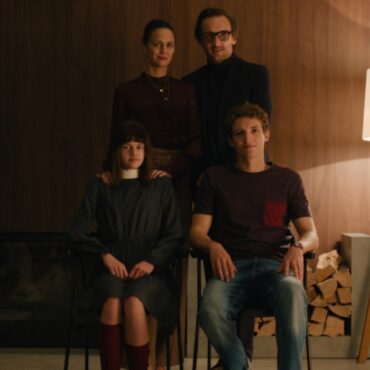
Family Therapy, inspired by a childhood memory and Pasolini’s Teorema, lands the Trieste Film Festival competition
Cinema, Theatre and Arts as a family business for Marc and Alex van Warmerdam
Following the 2014 exhibition dedicated to his work, Pierre-Luc Granjon is back at the Bergamo Film meeting
Johnathan Stiasny talks about the emotional and creative story behind his film "Bowie: The Final Act", exploring the musician's last years, creative bravery, and lasting legacy of a immense artistic icon.
Giorgio Gosetti, critic and festival organiser, founder of the Noir in Festival and a key figure in the Venice Days, has died in Rome.