

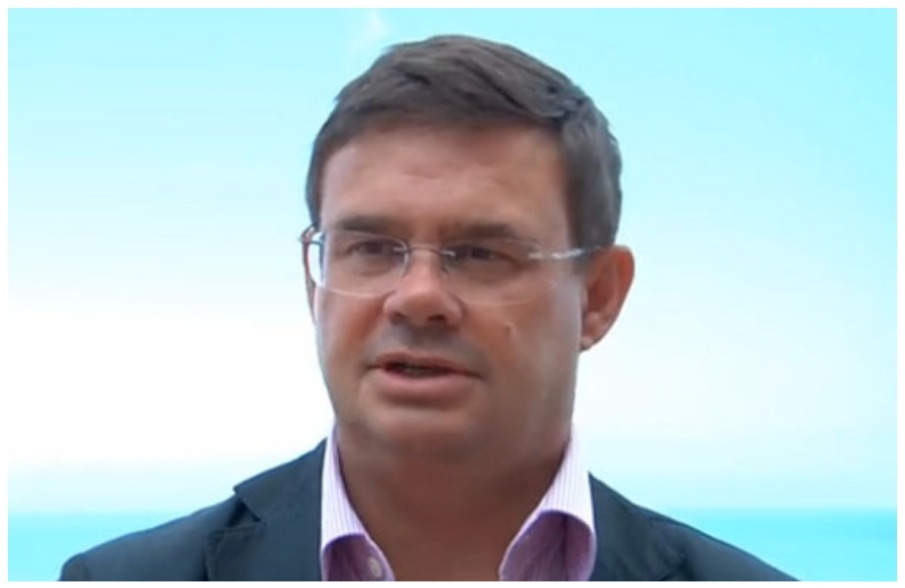
Interview avec Pascal Diot, directeur du Venice Production Bridge
Pascal Diot, directeur du Venice Production Bridge, sur 15 ans d'évolution et le nouveau VPB Location Market.
Listeners:
Top listeners:
 play_arrow
ENGLISH Channel 01 If English is your language, or a language you understand, THIS IS YOUR CHANNEL !
 play_arrow
ITALIAN Channel 02 Se l’italiano è la tua lingua, o una lingua che conosci, QUESTO È IL TUO CANALE!
 play_arrow
EXTRA Channel 03 FRED Film Radio channel used to broadcast press conferences, seminars, workshops, master classes, etc.
 play_arrow
GERMAN Channel 04 Wenn Ihre Sprache Deutsch ist, oder Sie diese Sprache verstehen, dann ist das IHR KANAL !
 play_arrow
POLISH Channel 05
 play_arrow
SPANISH Channel 06 Si tu idioma es el español, o es un idioma que conoces, ¡ESTE ES TU CANAL!
 play_arrow
FRENCH Channel 07 Si votre langue maternelle est le français, ou si vous le comprenez, VOICI VOTRE CHAINE !
 play_arrow
PORTUGUESE Channel 08
 play_arrow
ROMANIAN Channel 09 Dacă vorbiţi sau înţelegeţi limba română, ACESTA ESTE CANALUL DUMNEAVOASTRĂ!
 play_arrow
SLOVENIAN Channel 10
 play_arrow
ENTERTAINMENT Channel 11 FRED Film Radio Channel used to broadcast music and live shows from Film Festivals.
 play_arrow
BULGARIAN Channel 16 Ако българският е вашият роден език, или го разбирате, ТОВА Е ВАШИЯТ КАНАЛ !
 play_arrow
CROATIAN Channel 17 Ako je hrvatski tvoj jezik, ili ga jednostavno razumiješ, OVO JE TVOJ KANAL!
 play_arrow
LATVIAN Channel 18
 play_arrow
DANISH Channel 19
 play_arrow
HUNGARIAN Channel 20
 play_arrow
DUTCH Channel 21
 play_arrow
GREEK Channel 22
 play_arrow
CZECH Channel 23
 play_arrow
LITHUANIAN Channel 24
 play_arrow
SLOVAK Channel 25
 play_arrow
ICELANDIC Channel 26 Ef þú talar, eða skilur íslensku, er ÞETTA RÁSIN ÞÍN !
 play_arrow
INDUSTRY Channel 27 FRED Film Radio channel completely dedicated to industry professionals.
 play_arrow
EDUCATION Channel 28 FRED Film Radio channel completely dedicated to film literacy.
 play_arrow
SARDU Channel 29 Si su sardu est sa limba tua, custu est su canale chi ti deghet!
 play_arrow
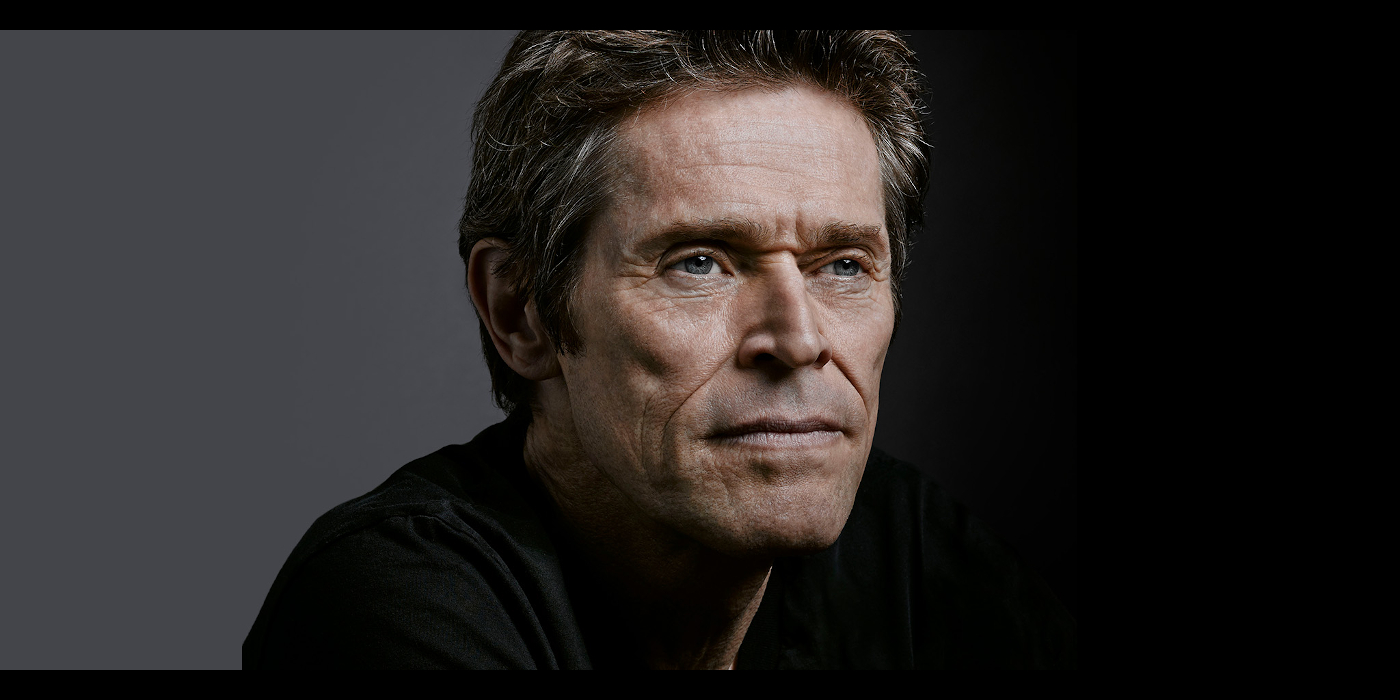
“Conversation with” at the 20th Marrakech IFF, interview with actor Willem Dafoe Bénédicte Prot
 play_arrow
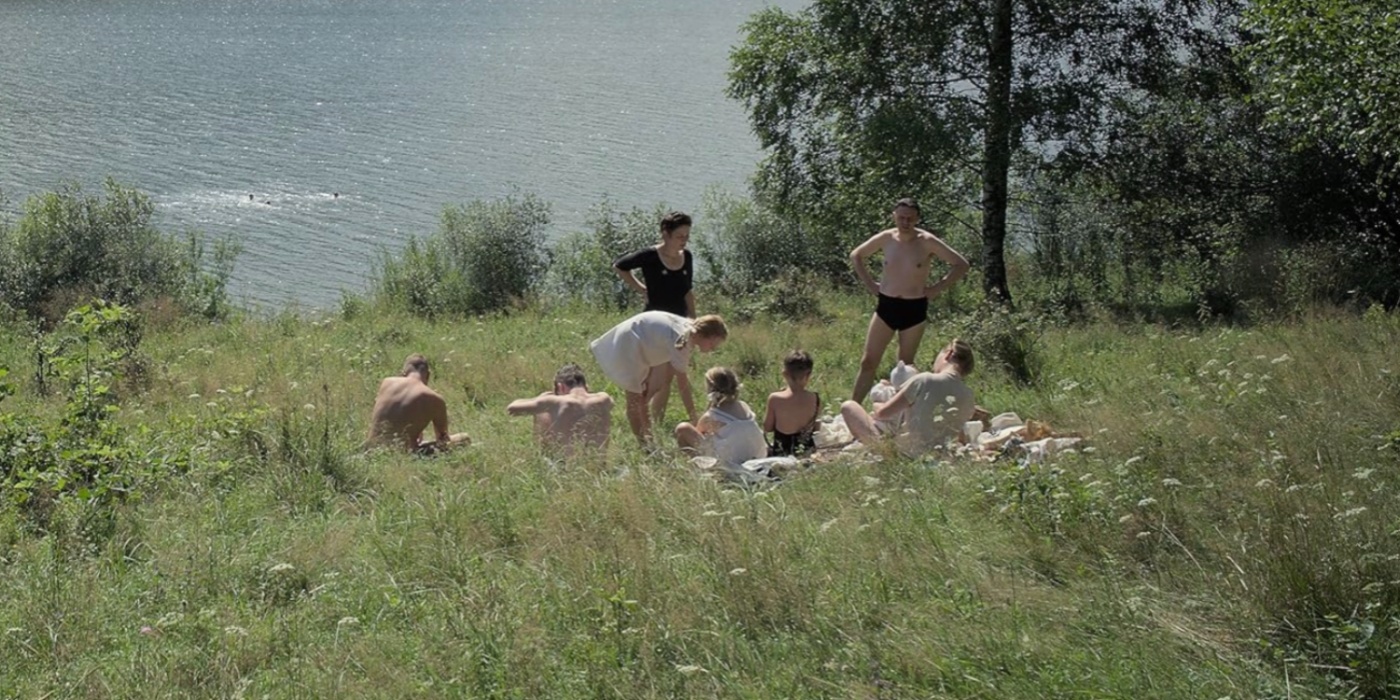
"The Zone of Interest", interview with director Jonathan Glazer Giulia Bianconi
In “The Zone of Interest“, based on Martin Amis’ novel, Jonathan Glazer delves into the life of Auschwitz camp commandant Rudolf Höss and his wife Hedwig, talking about Holocaust, and offering a portrayal of “familiarity of evil”, as well as “banality of evil” as Hannah Arendt said.
Winner of the Cannes Grand Prix and the FIPRESCI Prize, five nominations at Efa 2023 (Best Film, Best Director, Best Screenwriter, Best Actress for Sandra Hüller and Best Actor for Christian Friedel), the film, presented also at Rome Film Fest 2023, has been selected as the UK’s official entry for the 2024 Oscars in the Best International Feature category.
“If we allow the suffering of others to be suffocated and hidden, then history is destined to repeat itself – Glazer said in Rome, thinking about the actual situation in the Middle East – The Holocaust passes through the film. We don’t see it, only with our mind’s eye, only with sounds and noises we imagine that suffering. I wanted to make this film intensely modern just because only in this way can that vicious cycle of violence be stopped. We cannot dissociate ourselves from that suffering like this family does, we must understand that it is something present and not so distant”.
“I hope young people see the film, they are the future. I know there are young people who saw it and had a reaction emotionally. They need to know what happened behind that wall. It is not difficult to perceive human suffering”, director added.
During the nine-year making of the film, Glazer thought about who these people were: “Like us – answered – They wanted a nice home, healthy and strong children. They weren’t monsters, even though I thought they were. They were human beings, like us, and they committed atrocities that we could do too”.
A happy family along a flowery riverbank in the summer, tow-headed tykes splashing in the water. Sunset: back to the house, a pretty, spacious abode with a small pool, a greenhouse, a garden, the help on hand. A tall wall cannot conceal a dull roar audible, especially at night; thick black smoke fills the sky and ash coats the ground. After Birth and Under the Skin, Jonathan Glazer adapts the marvelous 2014 novel by the late Martin Amis for his new film of the same name and boils it down to the essence: the uneventful family life of Rudolf Höß, commandant at the Auschwitz concentration camp, and his wife Hedwig, their routine untouched by the monstrousness underway over the wall.
Pascal Diot, directeur du Venice Production Bridge, sur 15 ans d'évolution et le nouveau VPB Location Market.
In the Open section at Venice 83, Luke Lorentzen on falling back in love with filmmaking in Boatbuilders
Javier Bardem will be one of the major guests of the Rome Film Fest 2026, receiving the Lifetime Achievement Award and presenting Rodrigo Sorogoyen’s El ser querido.
Liryc Dela Cruz, director of A Brief Encounter, at the International Critics Week, Venice Film Festival 2026.