PODCAST | Chiara Nicoletti interviews Joana Hadjithomas and Khalil Joreige, directors of the film Memory Box.
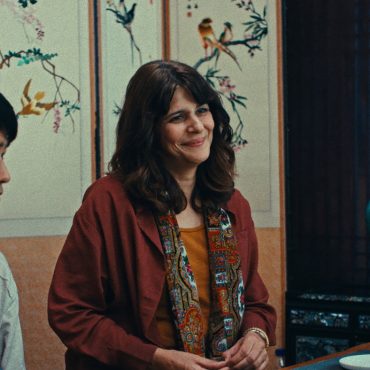
Memory Box, film in competition at the 71st Berlinale, comes from notebooks and cassette tapes director Joana Hadjithomas sent to a very close friend who’d moved to France during the Lebanese civil war. These memories were combined with those of co-director and Hadjithomas’ husband Khalil Joreige to create the starting point for the film’ story. By discovering her mom’s teen years memories through this box, Alex can connect to a different version of who she thought her mother was. The two directors comment on the aspect that while connecting past and present through two adolescences, the daughter’s one and the mother’s, the film helps understand that the dynamics change, the way through which we experience things change but not the very essence of that particular moment in life, adolescence. Memory Box feels like a post Covid film for his depiction of a sort of stand-by feeling ( caused by war in the case of the film’story) and the directors reveal that they agree but they didn’t see it coming.
Memory Box: Maia, a single mother, lives in Montreal with her teenage daughter, Alex. On Christmas Eve, they receive an unexpected delivery: notebooks, tapes, and photos Maia sent to her best friend from 1980’s Beirut. Maia refuses to open the box or confront its memories, but Alex secretly begins diving into it. Between fantasy and reality, Alex enters the world of her mother’s tumultuous, passionate adolescence during the Lebanese civil war, unlocking mysteries of a hidden past.
To discover more about the 71st edition of Berlin International Film Festival, click here.
Directors Kristina Grozeva and Petar Valchanov on Black Money for White Nights: "Corruption is at the bottom of everything, but not just that of the outer life, also the corruption of the inner life"
Past the Hill of Napoleon’s Hat director Arnas Balčiūnas at Future Frams 2026. On generational trauma, silence within families, and finding an authentic cinematic voice.
Half-moon director Hae-Sup Sin at Future Frames 2026. A short film about adoption, cultural identity and two mothers discovering that love can be shared rather than divided.