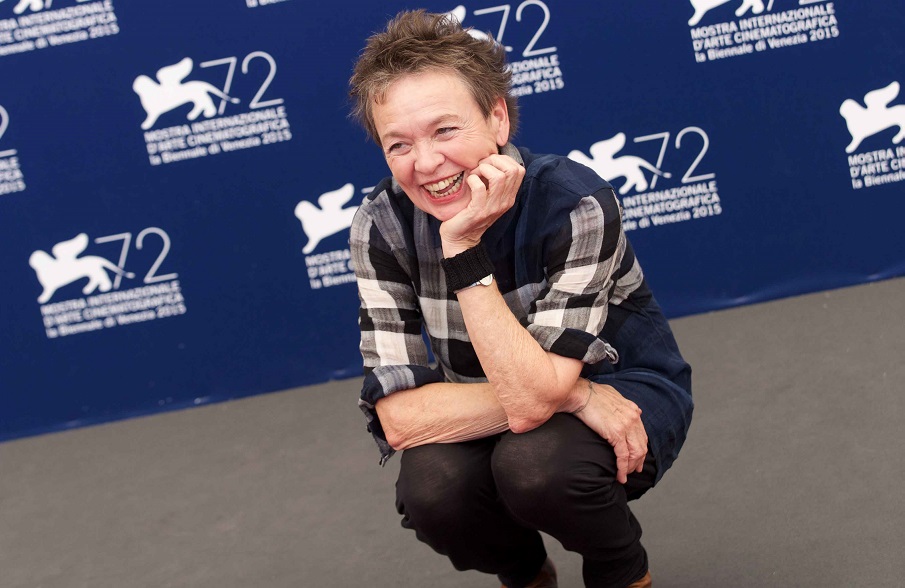
FRED’s Angelo Acerbi interviews Laurie Anderson, who presented her film HEART OF A DOG in competition at the 72nd Venice Film Festival.
Using the story of her dog Lolabelle, Laurie Anderson unravels on screen her philosophy of life. “I did not know I had one, actually” she told us. But here it is. And the way she tells it is so beautiful, as it is listening her telling us how this movie came to life
HEART OF A DOG:Heart of a Dog is a personal essay film that explores themes of love, death and language. The director’s voice is a constant presence as stories of her dog Lolabelle, her mother, childhood fantasies, political and philosophical theories unfurl in a seamless song like stream. The visual language spans animation, eight millimeter films from the artist’s childhood, layered imagery and high speed text animation.
The director’s signature music runs throughout the film in works for solo violin, quartets, songs, and ambient electronics. The center of Heart of a Dog is a visual and poetic meditation on the bardo, the forty nine day period after death in which identity is shredded and the consciousness prepares to enter another life form.
A Story About A Story envisions her ordeal in the hospital when she broke her back as a child and how the story became her way to understand the relationship of real events, authority, and faulty memory on the creation of stories. Theories on sleep, imagination and disorientation are framed as questions about time and identity. Is it a pilgrimage? Which way do we go?
Oscar-winning actress Ellen Burstyn will receive the Golden Lion for Lifetime Achievement at the Venice Film Festival 2026, joining George Clooney among this year's recipients of the prestigious award.
Miroslav Terzić's 3 Weeks After, winner of the Europa Cinemas Label at Karlovy Vary Film Festival 2026: "It's not just about peer violence, but about a violent society, and we are all in it."
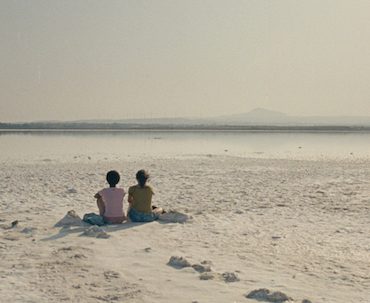
Tonia Mishiali's The Lion at My Back, winner of the Ecumenical Jury Grand Prize at Karlovy Vary 2026, is the second chapter of her trilogy on women living on the sidelines
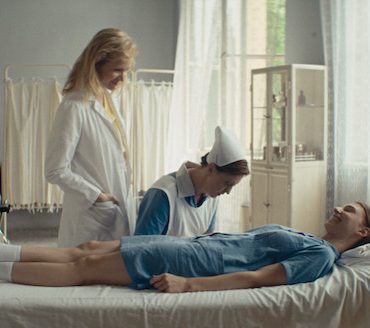
Ivan Ostrochovský's Only Beautiful Things to Look At tackles forced sterilisation through magnificent visuals: "If the film visually goes against the topic, maybe it is scarier."