
Across The Bridge – The Best of Venice Production Bridge 2026, September 8
Across The Bridge: your daily podcast on Venice Production Bridge 2026 — key events, discussions and insider access to the film market.
Listeners:
Top listeners:
 play_arrow
ENGLISH Channel 01 If English is your language, or a language you understand, THIS IS YOUR CHANNEL !
 play_arrow
ITALIAN Channel 02 Se l’italiano è la tua lingua, o una lingua che conosci, QUESTO È IL TUO CANALE!
 play_arrow
EXTRA Channel 03 FRED Film Radio channel used to broadcast press conferences, seminars, workshops, master classes, etc.
 play_arrow
GERMAN Channel 04 Wenn Ihre Sprache Deutsch ist, oder Sie diese Sprache verstehen, dann ist das IHR KANAL !
 play_arrow
POLISH Channel 05
 play_arrow
SPANISH Channel 06 Si tu idioma es el español, o es un idioma que conoces, ¡ESTE ES TU CANAL!
 play_arrow
FRENCH Channel 07 Si votre langue maternelle est le français, ou si vous le comprenez, VOICI VOTRE CHAINE !
 play_arrow
PORTUGUESE Channel 08
 play_arrow
ROMANIAN Channel 09 Dacă vorbiţi sau înţelegeţi limba română, ACESTA ESTE CANALUL DUMNEAVOASTRĂ!
 play_arrow
SLOVENIAN Channel 10
 play_arrow
ENTERTAINMENT Channel 11 FRED Film Radio Channel used to broadcast music and live shows from Film Festivals.
 play_arrow
BULGARIAN Channel 16 Ако българският е вашият роден език, или го разбирате, ТОВА Е ВАШИЯТ КАНАЛ !
 play_arrow
CROATIAN Channel 17 Ako je hrvatski tvoj jezik, ili ga jednostavno razumiješ, OVO JE TVOJ KANAL!
 play_arrow
LATVIAN Channel 18
 play_arrow
DANISH Channel 19
 play_arrow
HUNGARIAN Channel 20
 play_arrow
DUTCH Channel 21
 play_arrow
GREEK Channel 22
 play_arrow
CZECH Channel 23
 play_arrow
LITHUANIAN Channel 24
 play_arrow
SLOVAK Channel 25
 play_arrow
ICELANDIC Channel 26 Ef þú talar, eða skilur íslensku, er ÞETTA RÁSIN ÞÍN !
 play_arrow
INDUSTRY Channel 27 FRED Film Radio channel completely dedicated to industry professionals.
 play_arrow
EDUCATION Channel 28 FRED Film Radio channel completely dedicated to film literacy.
 play_arrow
SARDU Channel 29 Si su sardu est sa limba tua, custu est su canale chi ti deghet!
 play_arrow
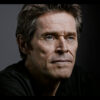
“Conversation with” at the 20th Marrakech IFF, interview with actor Willem Dafoe Bénédicte Prot
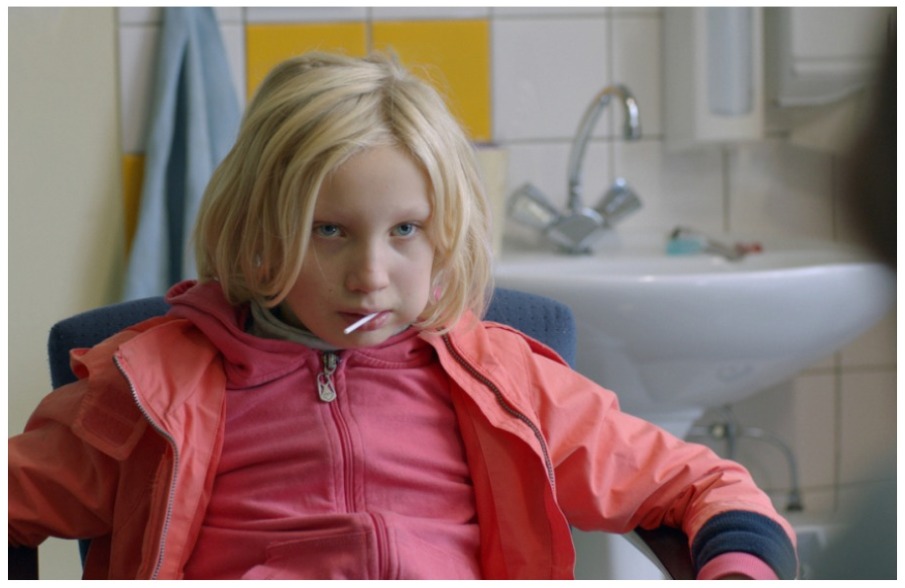
PODCAST | Matt Micucci interviews Nora Fingscheidt, director of the film System Crasher.
To listen to the interview, click on the ► icon on the right, just above the picture
Having met filmmaker Nora Fingscheidt after the premiere of her new film, System Crasher, earlier this year at the Berlinale (where she was awarded with the Alfred Bauer Silver Bear), we meet her again on the occasion of the screening of the film at the 2019 Transilvania International Film Festival in Cluj, Romania. Still completely shaken and stirred by the power of the film, we ask her to tell us more about the making of the film but also how System Crasher could contribute to the discourse of child welfare. Fingscheidt talks with us about her research in several institutions, a painstaking four-year-long writing process and meeting the Helena Zengel, the young actress who plays the lead role of nine-year-old girl Benni, who is simply a force of nature. But celebrating it also as a work of powerful cinema, our conversation touches on influences, tone and rhythm, with passing reference to the legendary Francois Truffaut, whose works from The 400 Blows to Small Change to The Wild Child and beyond did much to tell real stories that mattered about children.
System Crasher: She is small, but dangerous. Wherever Benni ends up, she is immediately expelled. The wild 9-year-old girl has already become what child protection services call a “system crasher”. And she is certainly not looking to change her ways. Because Benni has one single goal: to be back at home with her mommy! But Bianca is scared of her own daughter. Mrs. Bafané from child protection services is trying her best to find a permanent placement for Benni. She hires the anger management trainer Micha as Benni’s school escort and suddenly there is a seed of hope. Will Micha be able to succeed where all others despaired?
Across The Bridge: your daily podcast on Venice Production Bridge 2026 — key events, discussions and insider access to the film market.
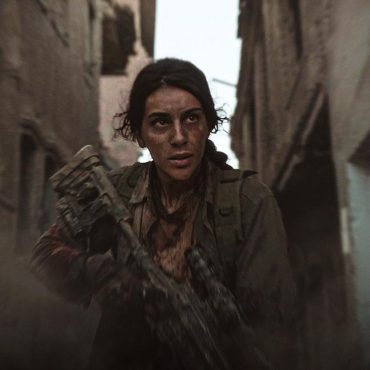
"No paradise if you are killed by a woman": highlighting the fierce resilience and love of kurdish female fighters in war—powerful story
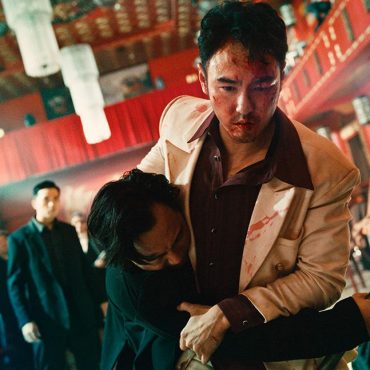
Sabu presents Arrested Memory at the Venice International Film Festival 2026, exploring memory and identity in Taipei.
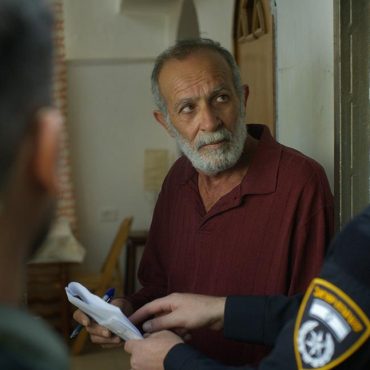
"Conversation With The Sea": intertwining hope and memory and exploring Jerusalem’s hurtful and emotional landscape through the symbolism of water and loss.