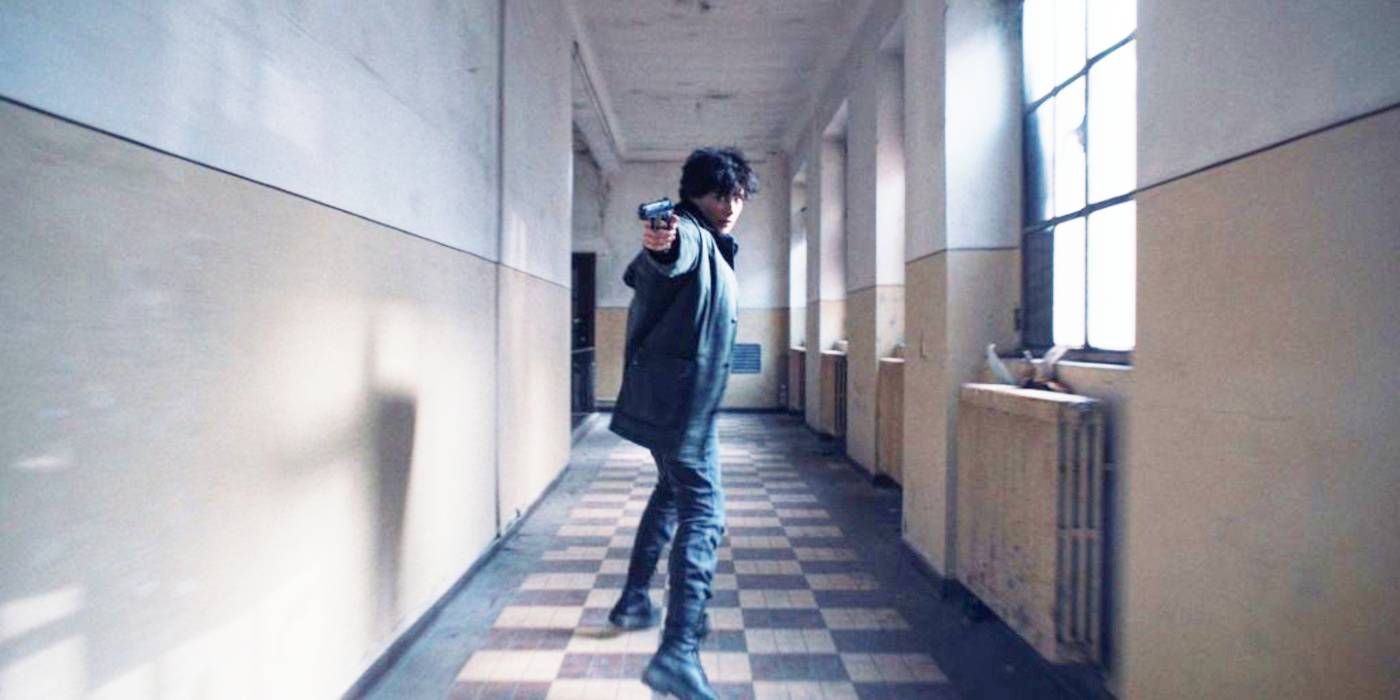
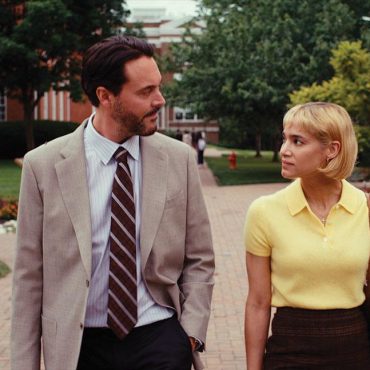
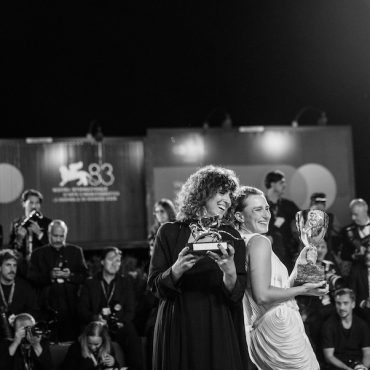
At the Locarno Film Festival, we caught up with Christoph Hochhäusler, the director of “La Mort viendra (Death Will Come)“, which is in the running in the International Competition. In this gripping gangster thriller, Christoph Hochhäusler takes us on a dark journey through Brussels, where power, mortality, and vengeance intersect in unexpected ways.
Inspiration Behind the Film
The inspiration for “Death Will Come”, Christoph Hochhäusler reveals, began with the city of Brussels itself. “I didn’t know the city until very recently,” he explains. “I was invited to go there, and I fell in love with its contrasts—the violence and beauty of this very particular town. It’s a place that’s not filmed enough, and that immediately sparked the idea of a gangster film.”
Exploring Brussels as a Character
Christoph Hochhäusler’s approach to location scouting involved immersing himself in the city alongside his production designer. Together, they walked through Brussels, exploring its streets and discovering hidden, underused locations. This hands-on exploration allowed the city itself to become a vital character in the film.
Developing Complex Characters
Christoph Hochhäusler dives into the development of his main characters, especially Charles Mahr, who grapples with power and mortality. “One influence was my own brush with mortality,” he admits, referencing a personal health scare. “That experience, combined with my observations of powerful men’s fear of weakness, fed into Charles’ character. There’s a vanity in men that death humbles, which is a theme I wanted to explore.”
On the character of Tez, a female contract killer in a male-dominated underworld
Christoph Hochhäusler explains, “We wanted her to be the opposite of Charles—an angel of death, yet a woman who is very much alive and believable. Sophie Verbeeck brought this complex, enigmatic character to life in a way that really surprised and excited me.”
Cinematic Influences behind “Death Will Come“
When asked about his influences, Christoph Hochhäusler cites a rich tapestry of films and directors, including Jean-Pierre Melville’s “Le Samouraï” and “Army of Shadows“, as well as Italian cinema, ranging from Visconti to Damiani. Although these films significantly informed the tone and style of “Death Will Come“, Hochhäusler nevertheless aimed to create a film that stands on its own.
“Death Will Come” Open-Ended Conclusion
Without giving too much away, “Death Will Come” leaves its ending open to interpretation. The film encourages viewers to reflect on its themes long after the credits roll. Hochhäusler hopes the film prompts audiences to consider what might come after the era of powerful patriarchal figures, offering a rich subject for contemplation rather than a straightforward message.
“Death Will Come” is an exploration of power, mortality, and the unique atmosphere of Brussels, all brought together by Christoph Hochhäusler’s deft direction.
Plot
Tez kills for money. Charles Mahr, a legendary gangster, hires her to avenge the murder of one of his couriers. Once in Brussels, she gets caught up in the thicket of an intrigue in which she herself becomes the prey. Tez has to decide whose instrument she wants to be.