

“Woman Unknown”, interview with director May El-Toukhy and actress Mathilde Arcel
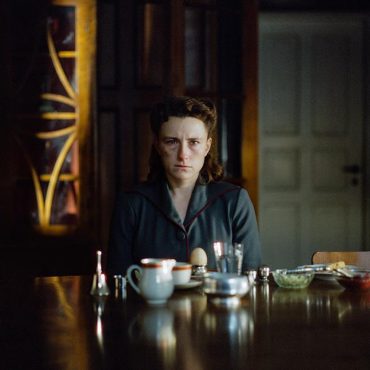
Woman Unknown director May El-Toukhy and actress Mathilde Arcel on the body as battlefield, in competition at Venice 2026.
Listeners:
Top listeners:
 play_arrow
ENGLISH Channel 01 If English is your language, or a language you understand, THIS IS YOUR CHANNEL !
 play_arrow
ITALIAN Channel 02 Se l’italiano è la tua lingua, o una lingua che conosci, QUESTO È IL TUO CANALE!
 play_arrow
EXTRA Channel 03 FRED Film Radio channel used to broadcast press conferences, seminars, workshops, master classes, etc.
 play_arrow
GERMAN Channel 04 Wenn Ihre Sprache Deutsch ist, oder Sie diese Sprache verstehen, dann ist das IHR KANAL !
 play_arrow
POLISH Channel 05
 play_arrow
SPANISH Channel 06 Si tu idioma es el español, o es un idioma que conoces, ¡ESTE ES TU CANAL!
 play_arrow
FRENCH Channel 07 Si votre langue maternelle est le français, ou si vous le comprenez, VOICI VOTRE CHAINE !
 play_arrow
PORTUGUESE Channel 08
 play_arrow
ROMANIAN Channel 09 Dacă vorbiţi sau înţelegeţi limba română, ACESTA ESTE CANALUL DUMNEAVOASTRĂ!
 play_arrow
SLOVENIAN Channel 10
 play_arrow
ENTERTAINMENT Channel 11 FRED Film Radio Channel used to broadcast music and live shows from Film Festivals.
 play_arrow
BULGARIAN Channel 16 Ако българският е вашият роден език, или го разбирате, ТОВА Е ВАШИЯТ КАНАЛ !
 play_arrow
CROATIAN Channel 17 Ako je hrvatski tvoj jezik, ili ga jednostavno razumiješ, OVO JE TVOJ KANAL!
 play_arrow
LATVIAN Channel 18
 play_arrow
DANISH Channel 19
 play_arrow
HUNGARIAN Channel 20
 play_arrow
DUTCH Channel 21
 play_arrow
GREEK Channel 22
 play_arrow
CZECH Channel 23
 play_arrow
LITHUANIAN Channel 24
 play_arrow
SLOVAK Channel 25
 play_arrow
ICELANDIC Channel 26 Ef þú talar, eða skilur íslensku, er ÞETTA RÁSIN ÞÍN !
 play_arrow
INDUSTRY Channel 27 FRED Film Radio channel completely dedicated to industry professionals.
 play_arrow
EDUCATION Channel 28 FRED Film Radio channel completely dedicated to film literacy.
 play_arrow
SARDU Channel 29 Si su sardu est sa limba tua, custu est su canale chi ti deghet!
 play_arrow
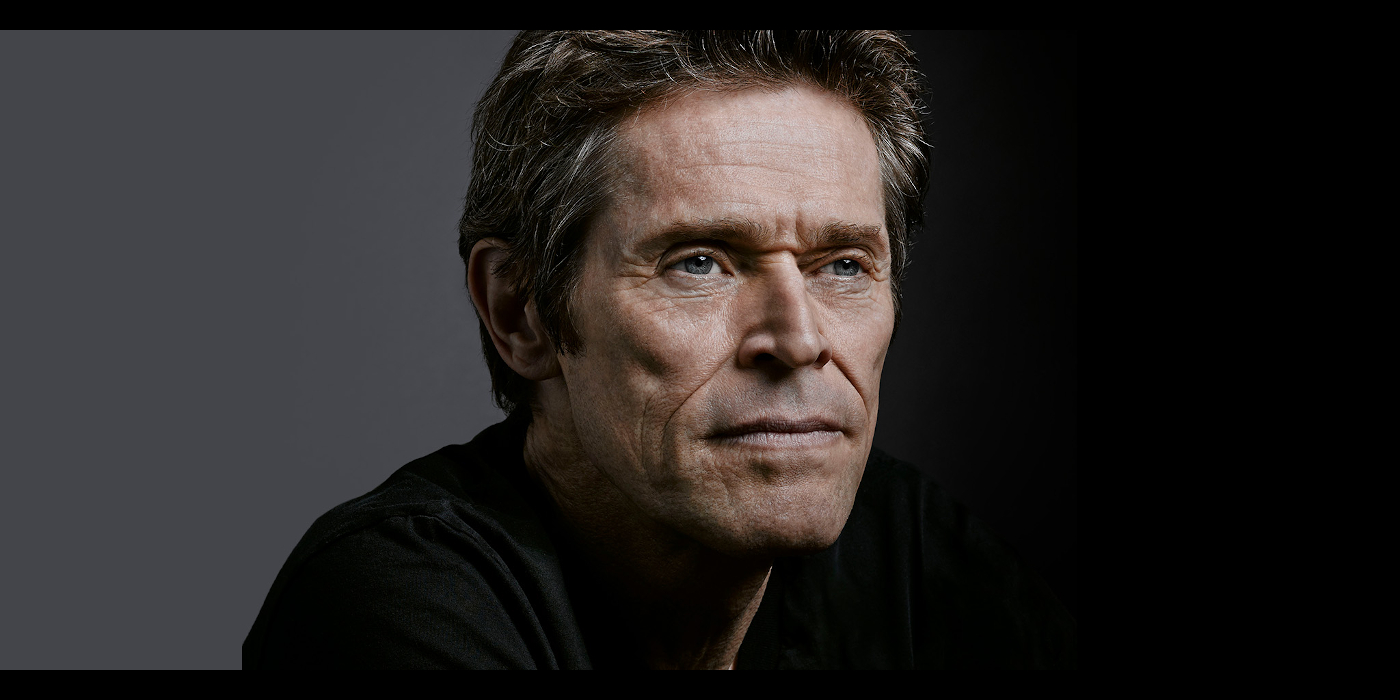
“Conversation with” at the 20th Marrakech IFF, interview with actor Willem Dafoe Bénédicte Prot
 play_arrow
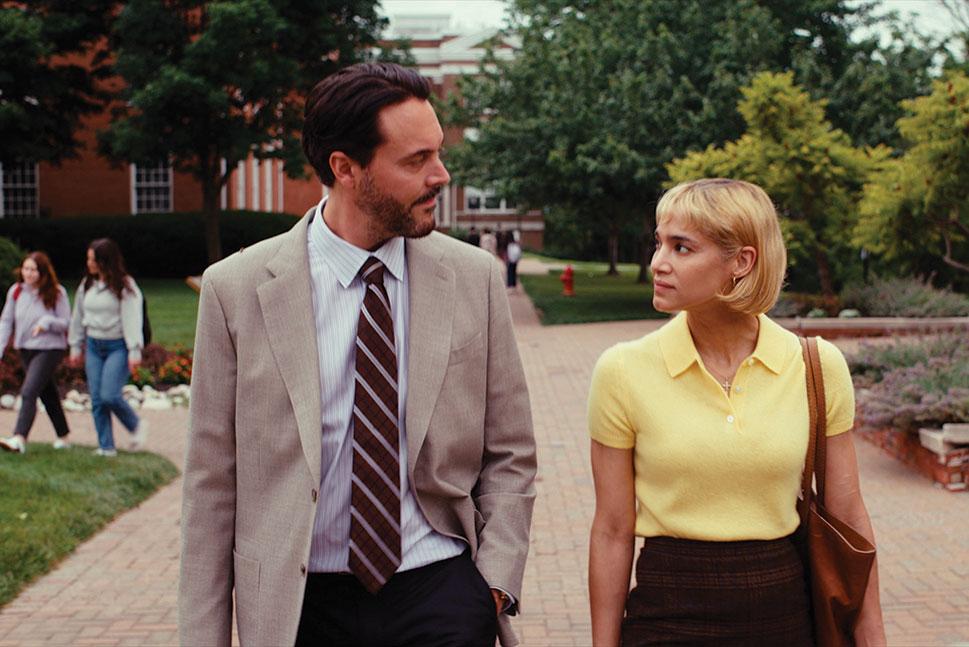
"The Basics of Philosophy", interview with director Paul Schrader Chiara Nicoletti
Presented in Venice Open – Out of Competition during the Venice Film Festival 2026, The Basics of Philosophy follows John Jorissen, a philosophy professor in the American Midwest working on a book about Spinoza, whose quiet life with his partner Becca and her son Willie is upended when the sudden reappearance of a young man, Miguel Basque, at his estranged father’s funeral forces him to confront a past incident he has never accounted for.
Wracked with guilt and doubting that Spinoza’s God will ever pardon him, Jorissen buys a lethal dose of euthanasia powder even as he asks Becca to marry him. Director Paul Schrader talks about the film’s questions of change and forgiveness, and about how he sees film criticism in the age of the internet.
Asked about the possibility of change, both in the film and in his own filmmaking over the decades, Schrader ties the question directly to the line his character speaks: “As the character says, I think I have changed but I have not been forgiven.” He describes what drew him to that idea: “Can we really change, and can we really forgive ourselves? I thought that was an interesting theme.” He is less convinced, though, that people themselves change very much at all: “If I go back to even the days before I was a filmmaker, when I was a film critic, I don’t think I have changed that much. The mold is cut for us in our childhood, the computer is programmed, and we run that program for the rest of our days.”
Asked how he, a former film critic himself, sees film critics today, Schrader points to the internet as the great disruption: “Film criticism has obviously been changed by the internet. You used to be able to come to a festival and do about 20, 30 things, and that would cover the world. Now you do 10,000 things, and you can’t cover the world. Everybody has a blog, everybody has a website. It’s just huge, in a way. So in order to reach the same number of listeners or readers, you just have to do a lot more work.” He says he still keeps a hand in criticism himself, in a smaller way: “I’m quite active on Facebook because it allows me to be a kind of critic of sorts. I can go to a movie, have an opinion about it, and just post it on Facebook. It’s a way for me to return, in a small way, to criticism.”
John Jorissen teaches philosophy in a small liberal arts school in the American Midwest, and is writing a book on Spinoza. His life revolves around teaching, writing and spending time with his partner Becca, a fellow professor, and her adolescent son Willie. Jorissen is smart, serious and distant. Something from the past torments him. When his estranged father Melvyn passes away, the sudden appearance of a young man, Miguel Basque, shocks Jorissen at the funeral. It is revealed through flashback that there was an incident between Jorissen and Miguel, the young son of the Jorissen family’s gardener. Melvyn paid Miguel’s father for their silence and private schooling. In return, the family pressed no charges. Wrought with guilt, shame and confusion over his past, as well as the growing suspicion that Spinoza’s God would never pardon his actions, Jorissen purchases Nembutal, a lethal euthanasia powder. Conflicted, Jorissen asks Becca to marry him. Soon after, Becca is approached by Miguel, who feels an obligation to discuss what Jorrisen had done years ago. When she confronts him, Jorissen denies everything. The film ends with Jorissen and Becca at the altar, exchanging wedding vows, with Miguel in a church pew dressed exactly as he did during Melvyn’s funeral. Young Willie hands his new father the ring as Jorissen gazes down at him.
Woman Unknown director May El-Toukhy and actress Mathilde Arcel on the body as battlefield, in competition at Venice 2026.
Julia Loktev discusses exile, journalistic responsibility and the lives of Russian reporters forced to leave their country after the invasion of Ukraine.
In FALLING HOUSE (Moragheb), Mohsen Gharaei discusses a family home transformed into a prison by fear, authority and the desire for freedom.
Opening Venice's Mostra 2026 with his festival debut, INK, Danny Boyle on the 1969 birth of The Sun, journalism as a pillar of humanity threatened by AI, and his refusal to turn Rupert Murdoch into a monster
Liryc Dela Cruz, director of A Brief Encounter, at the International Critics Week, Venice Film Festival 2026.
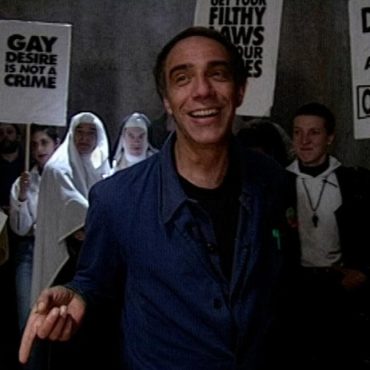
Presented out of competition in the Open section of Venice 83, Theo Rollason and Peter Tatchell trace Derek Jarman's legacy and today's fight for LGBTQ+ rights in Queer Edward II
"Listy-Letters from the Silenced Country" by director Andrei Kutsila reveals intimate stories of Belarusian prisoners and exiles, giving voice to resilience and hope amid repression.
"Guria" by director Levan Koguashvili offers a captivating blend of humor and tragedy set in 90s Georgia, highlighting human resilience and authentic stories from post-Soviet times.