The Rome Film Fest 2026 has announced the winners of its 21st edition, held in Italy’s capital from 13-25 October. Clio Barnard’s I See Buildings Fall Like Lightning won the Best Film Award in the Progressive Cinema Competition, along with a prize for its lead actor. The awards ceremony took place on Saturday, 24 October, at the Sala Petrassi of the Auditorium Parco della Musica Ennio Morricone. The edition also marks the festival’s official recognition by FIAPF, the International Federation of Film Producers Associations, as a Competitive Festival.
Rome Film Fest 2026: the Progressive Cinema winners
The international jury, chaired by Polish filmmaker Jan Komasa and comprising Alice Braga, Saja Kilani, Carlos Marques-Marcet and Alessio Rigo de Righi, awarded the Jury Grand Prix to The Life and Deaths of Wilson Shedd, directed by Tim Blake Nelson.
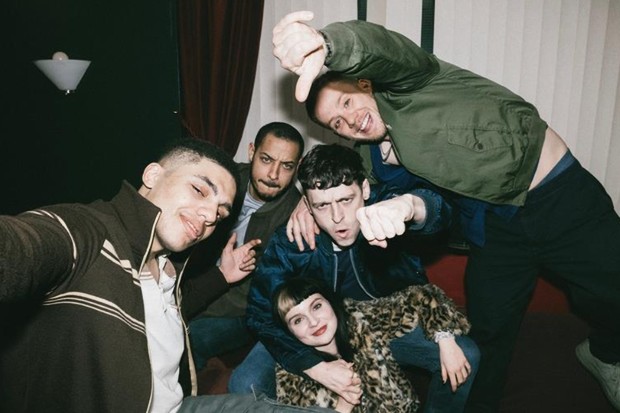
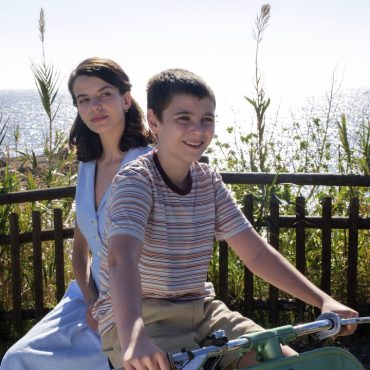
Rafiki Fariala won Best Director for Congo Boy, while Abia Castillo, Diego Rabasa, and Diego Luna received Best Screenplay for Ceniza en la boca (Ashes).
In the acting categories, Victoria Luengo won Best Actress for Sants. Anthony Boyle shared the Best Actor Award for I See Buildings Fall Like Lightning, and Paolo Pierobon shared it for Brianza.
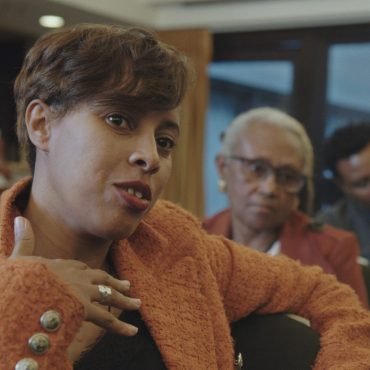
The Special Jury Prize was presented to the Al Mawla family for Yesterday the Eye Didn’t Sleep, completing the main competition’s list of awards.
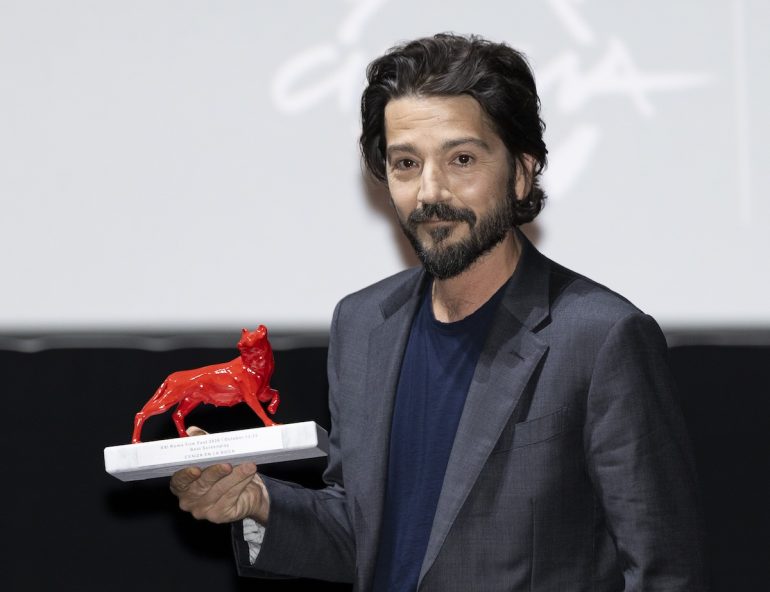
Best First Feature and Documentary Awards at Rome 2026
The Best First Feature Poste Italiane Award went to Lisa Forslund’s Clementine Orange, presented in the Freestyle section. The jury, chaired by Italian screenwriter and director Ludovica Rampoldi and joined by Pauline Loquès and Corneliu Porumboiu, also gave a Special Mention to El tren fluvial (The River Train) by Lorenzo Ferro and Lucas A. Vignale.
The Best Documentary Award was presented to Dans la gueule de l’ogre (Into the Jaws of the Ogre) by Mahsa Karampour, screened in the Special Screenings section.
The documentary jury, chaired by Roberto Minervini and including producer Andrea Queralt and filmmaker Jessica Sarah Rinland, also recognized Un hiver russe (A Russian Winter) by Patric Chiha with a Special Mention.
Both juries considered fourteen films selected from different festival sections.
Congo Boy and Mustang share the Audience Award
The Terna Audience Award was presented jointly to Congo Boy by Rafiki Fariala and Mustang by Kasia Smutniak.
For Fariala, the audience recognition adds to his Best Director Award, making Congo Boy one of the films to receive two prizes at this year’s festival, alongside Barnard’s I See Buildings Fall Like Lightning.
Audiences voted after the official screening and first repeat screening of the competing films using QR codes provided at the screening rooms’ exits.
Lifetime Achievement Awards and new honors
The 21st Rome Film Fest also recognized several international figures for their contributions to cinema.
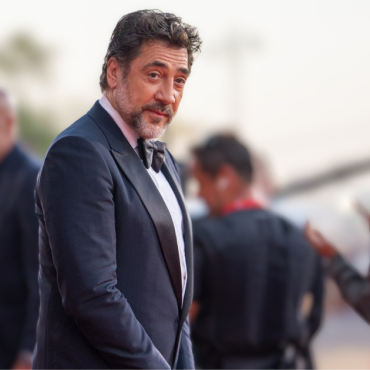
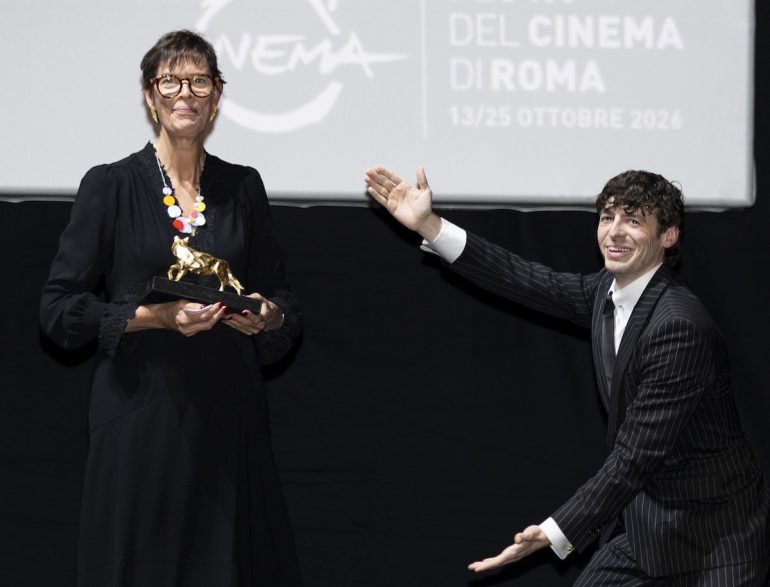
Tessa Ross received the Industry Lifetime Achievement Award, while Javier Bardem and Julianne Moore each received a Lifetime Achievement Award. Anthony Ippolito received the Progressive Lifetime Achievement Award.
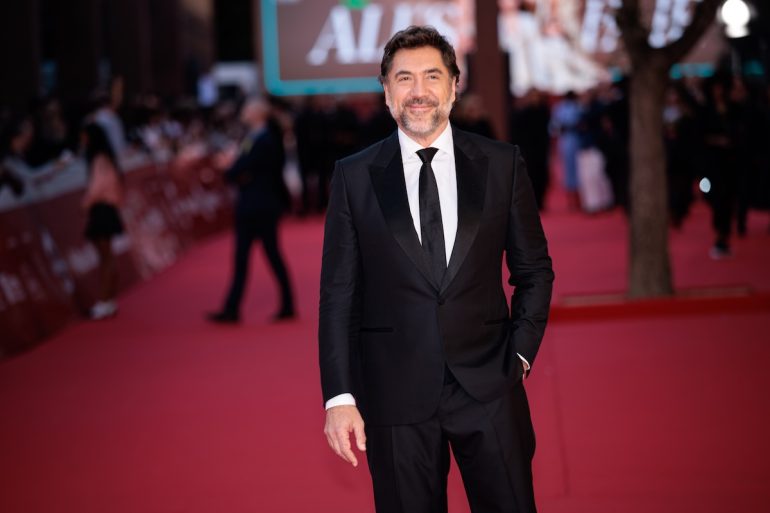
Two additional prizes were introduced in 2026. Composer Nicola Piovani received the inaugural Banca Ifis Music Award, while filmmaker Emmanuel Marre was honored with the Gillo Pontecorvo Award for Notre salut.
Rome Film Fest 2026: 119,788 attendees and 194 films
Alongside the awards, the organizers released the festival’s official figures, reporting 119,788 overall attendees, including 82,238 tickets issued to audiences and accredited guests, 9,500 entries to free events, and 28,050 attendances at red carpets, exhibitions, and events across Rome. The festival also registered 4,651 accreditations.
The program featured 527 screenings of 194 films representing 55 countries, with four screening rooms at the Auditorium and thirteen additional venues across the city. The edition involved 96 partners.
Media coverage included 14,527 online articles, 1,423 national and local press articles, 798 international articles and 987 television and radio reports.
The festival’s official website recorded 1,363,760 views, while Instagram generated 11.5 million views.
The figures underline the scale of an event combining an international competition, documentary and first-feature awards, public participation and career tributes, with the 2026 prizes distributed among filmmakers working across different national cinemas.