
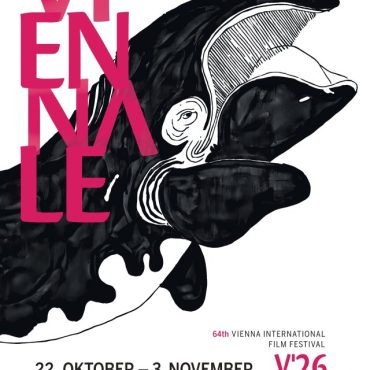
Viennale 2026, interview with the festival director Eva Sangiorgi
Eva Sangiorgi, director of the Viennale 2026, on a city festival with over 100 features, no competition and a Robert Aldrich retrospective.
Listeners:
Top listeners:
 play_arrow
ENGLISH Channel 01 If English is your language, or a language you understand, THIS IS YOUR CHANNEL !
 play_arrow
ITALIAN Channel 02 Se l’italiano è la tua lingua, o una lingua che conosci, QUESTO È IL TUO CANALE!
 play_arrow
EXTRA Channel 03 FRED Film Radio channel used to broadcast press conferences, seminars, workshops, master classes, etc.
 play_arrow
GERMAN Channel 04 Wenn Ihre Sprache Deutsch ist, oder Sie diese Sprache verstehen, dann ist das IHR KANAL !
 play_arrow
POLISH Channel 05
 play_arrow
SPANISH Channel 06 Si tu idioma es el español, o es un idioma que conoces, ¡ESTE ES TU CANAL!
 play_arrow
FRENCH Channel 07 Si votre langue maternelle est le français, ou si vous le comprenez, VOICI VOTRE CHAINE !
 play_arrow
PORTUGUESE Channel 08
 play_arrow
ROMANIAN Channel 09 Dacă vorbiţi sau înţelegeţi limba română, ACESTA ESTE CANALUL DUMNEAVOASTRĂ!
 play_arrow
SLOVENIAN Channel 10
 play_arrow
ENTERTAINMENT Channel 11 FRED Film Radio Channel used to broadcast music and live shows from Film Festivals.
 play_arrow
BULGARIAN Channel 16 Ако българският е вашият роден език, или го разбирате, ТОВА Е ВАШИЯТ КАНАЛ !
 play_arrow
CROATIAN Channel 17 Ako je hrvatski tvoj jezik, ili ga jednostavno razumiješ, OVO JE TVOJ KANAL!
 play_arrow
LATVIAN Channel 18
 play_arrow
DANISH Channel 19
 play_arrow
HUNGARIAN Channel 20
 play_arrow
DUTCH Channel 21
 play_arrow
GREEK Channel 22
 play_arrow
CZECH Channel 23
 play_arrow
LITHUANIAN Channel 24
 play_arrow
SLOVAK Channel 25
 play_arrow
ICELANDIC Channel 26 Ef þú talar, eða skilur íslensku, er ÞETTA RÁSIN ÞÍN !
 play_arrow
INDUSTRY Channel 27 FRED Film Radio channel completely dedicated to industry professionals.
 play_arrow
EDUCATION Channel 28 FRED Film Radio channel completely dedicated to film literacy.
 play_arrow
SARDU Channel 29 Si su sardu est sa limba tua, custu est su canale chi ti deghet!
 play_arrow
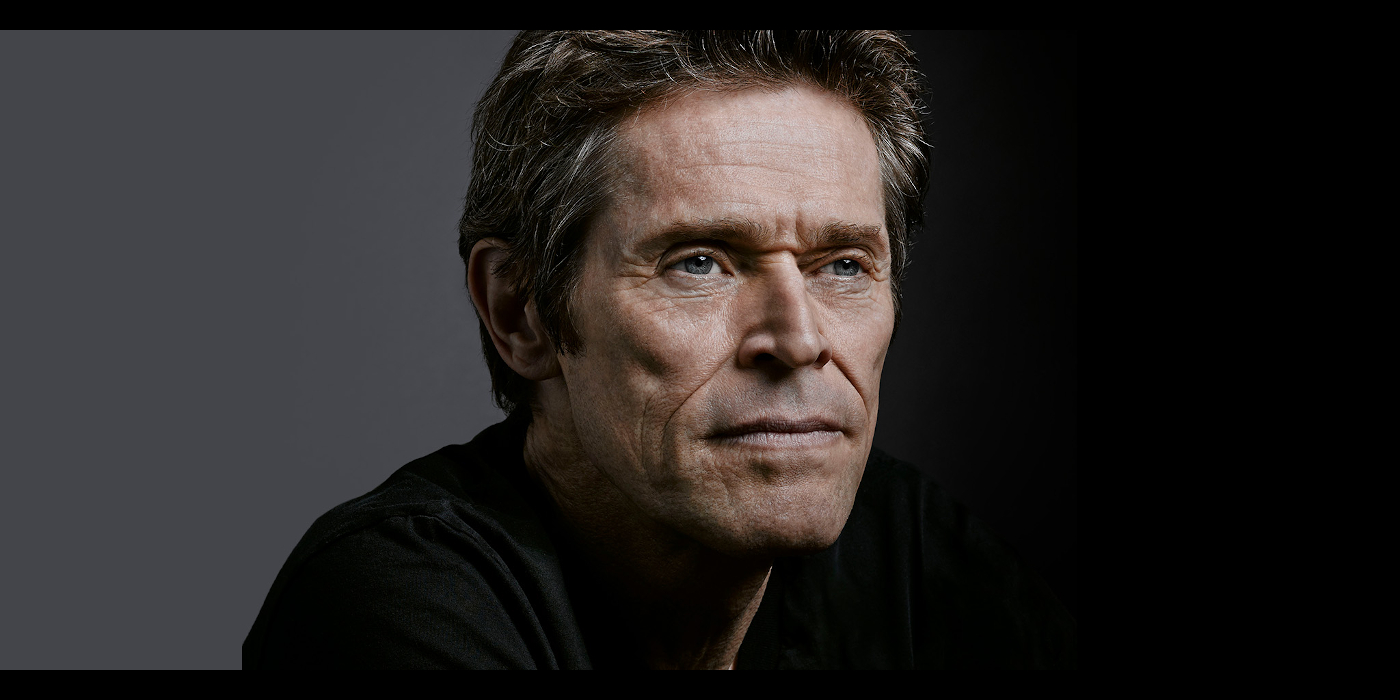
“Conversation with” at the 20th Marrakech IFF, interview with actor Willem Dafoe Bénédicte Prot
 play_arrow
"Eklipse", interview with director Manuel Wetscher Gianluca De Angelis
During the Venice Film Festival 2026 we spoke with Manuel Wetscher, director and co-writer of the film Eklipse presented here in the Orizzonti section of the festival. During our conversation, we discussed the autobiographical elements of the film, a exploring the themes of HIV illness, emancipation, and mostly ignorance and stigma. The film then delves into personal experiences, transforming into fiction and shedding a light on how personal memories influence cinematic storytelling and exploring the director’s artistic process and message.
During our interview with FRED FIlmmRadio, the director Manuel Wetscher explained that in the film Eklipse there was no clear line between personal memories and storytelling. He emphasizes that working with Bernard Jarosch on the screenplay was indeed about pursuing the story and capturing real emotional truths. Wetscher also highlighted how the use of VHS material from his childhood was used, which was incorporated mainly during editing and blending personal material with fictional elements.
Wetscher shared insights into the physical and sensory approach of the film, influenced by artists like Steve McQueen, who translates physicality into cinematic experiences. Talking about the persistent stigma surrounding HIV still today despite medical progress, Manuel Wetscher reflected instead on how placing the Eklipse story in 1999 is a way to highlight the ongoing challenge of confronting this stigma, in a gap between scientific reality and societal perceptions that’s still too big. Wetscher advocates for films like Eklipse to raise awareness and foster understanding, especially in a globally affected landscape where populist distrust of science exacerbates the problem.
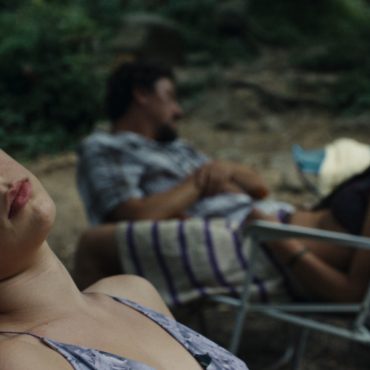
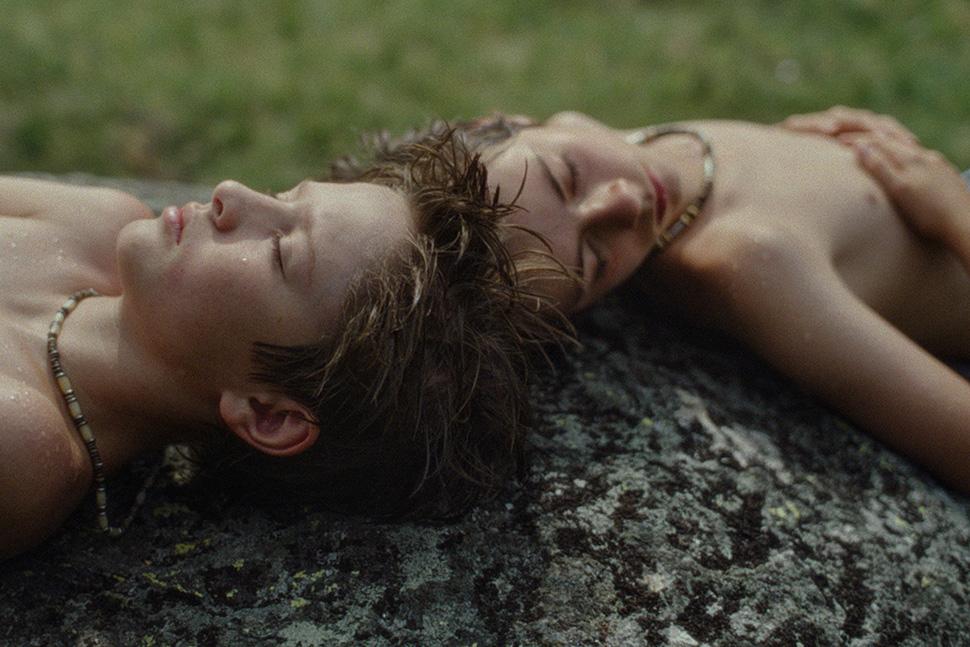
Tomy and his best friend Chris spend the summer of 1999 at an alpine dairy. They help Tomy’s uncle with the milking, build a dam and explore the great outdoors. Whilst the boys are discovering new worlds, Tomy’s mother decides to continue keeping the real reason why his father is in hospital a secret from her son. When Chris learns that Tomy’s father is in hospital with "the gay disease", he becomes frightened – and Tomy is suddenly confronted with rejection and his own family’s silence.
Eva Sangiorgi, director of the Viennale 2026, on a city festival with over 100 features, no competition and a Robert Aldrich retrospective.
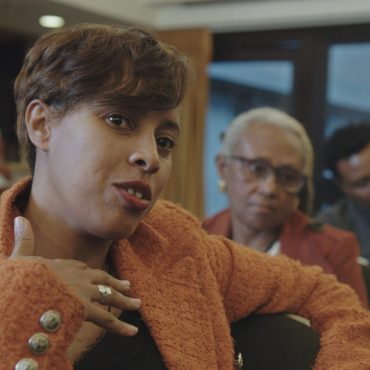
Ruth Beckermann on Wax & Gold, her documentary on Ethiopia seen through a hotel in Addis Ababa, at the Rome Film Fest 2026.
A dark fairy tale about growing up, belonging and the fear of being replaced. Bàrbara Farré and Diego Betancor discuss the personal origins of Mala Bèstia, its unsettling vision of adolescence and the decision to make a debut feature without …
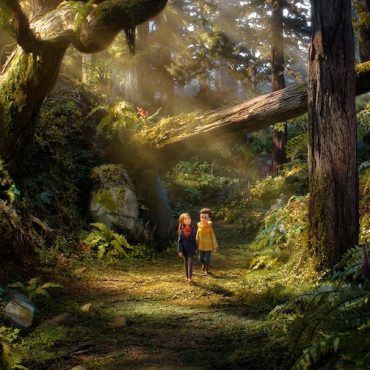
Character designer Thibault Leclercq talks about Wildwood and its stop-motion puppets, at the 24th edition of Alice nella Città.