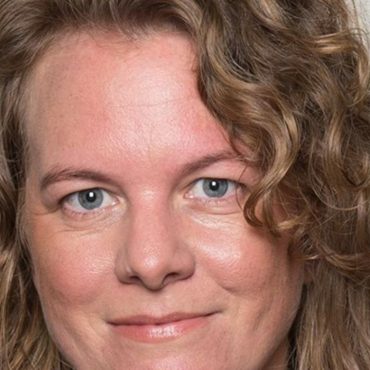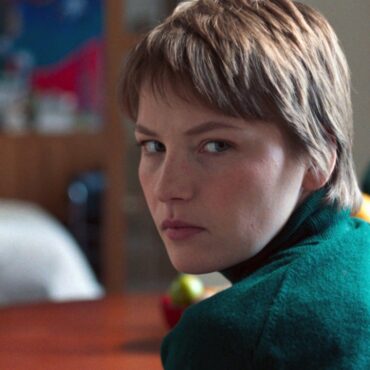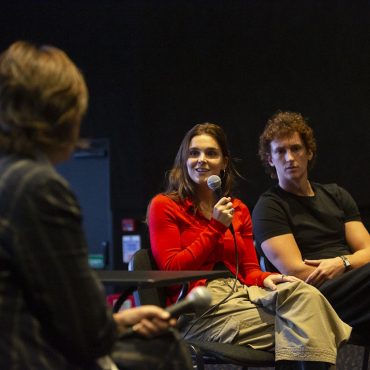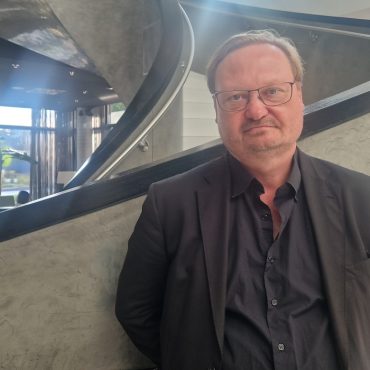


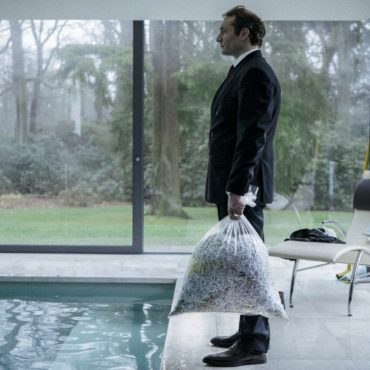
“Dust”, interview with director Anke Blondé and screenwriter Angelo Tijssens
Anke Blondé and Angelo Tijssens present "Dust" in Competition at the 76th Berlinale, a drama on masculinity and corporate collapse.
Listeners:
Top listeners:
 play_arrow
ENGLISH Channel 01 If English is your language, or a language you understand, THIS IS YOUR CHANNEL !
 play_arrow
ITALIAN Channel 02 Se l’italiano è la tua lingua, o una lingua che conosci, QUESTO È IL TUO CANALE!
 play_arrow
EXTRA Channel 03 FRED Film Radio channel used to broadcast press conferences, seminars, workshops, master classes, etc.
 play_arrow
GERMAN Channel 04 Wenn Ihre Sprache Deutsch ist, oder Sie diese Sprache verstehen, dann ist das IHR KANAL !
 play_arrow
POLISH Channel 05
 play_arrow
SPANISH Channel 06 Si tu idioma es el español, o es un idioma que conoces, ¡ESTE ES TU CANAL!
 play_arrow
FRENCH Channel 07 Si votre langue maternelle est le français, ou si vous le comprenez, VOICI VOTRE CHAINE !
 play_arrow
PORTUGUESE Channel 08
 play_arrow
ROMANIAN Channel 09 Dacă vorbiţi sau înţelegeţi limba română, ACESTA ESTE CANALUL DUMNEAVOASTRĂ!
 play_arrow
SLOVENIAN Channel 10
 play_arrow
ENTERTAINMENT Channel 11 FRED Film Radio Channel used to broadcast music and live shows from Film Festivals.
 play_arrow
BULGARIAN Channel 16 Ако българският е вашият роден език, или го разбирате, ТОВА Е ВАШИЯТ КАНАЛ !
 play_arrow
CROATIAN Channel 17 Ako je hrvatski tvoj jezik, ili ga jednostavno razumiješ, OVO JE TVOJ KANAL!
 play_arrow
LATVIAN Channel 18
 play_arrow
DANISH Channel 19
 play_arrow
HUNGARIAN Channel 20
 play_arrow
DUTCH Channel 21
 play_arrow
GREEK Channel 22
 play_arrow
CZECH Channel 23
 play_arrow
LITHUANIAN Channel 24
 play_arrow
SLOVAK Channel 25
 play_arrow
ICELANDIC Channel 26 Ef þú talar, eða skilur íslensku, er ÞETTA RÁSIN ÞÍN !
 play_arrow
INDUSTRY Channel 27 FRED Film Radio channel completely dedicated to industry professionals.
 play_arrow
EDUCATION Channel 28 FRED Film Radio channel completely dedicated to film literacy.
 play_arrow
SARDU Channel 29 Si su sardu est sa limba tua, custu est su canale chi ti deghet!
 play_arrow
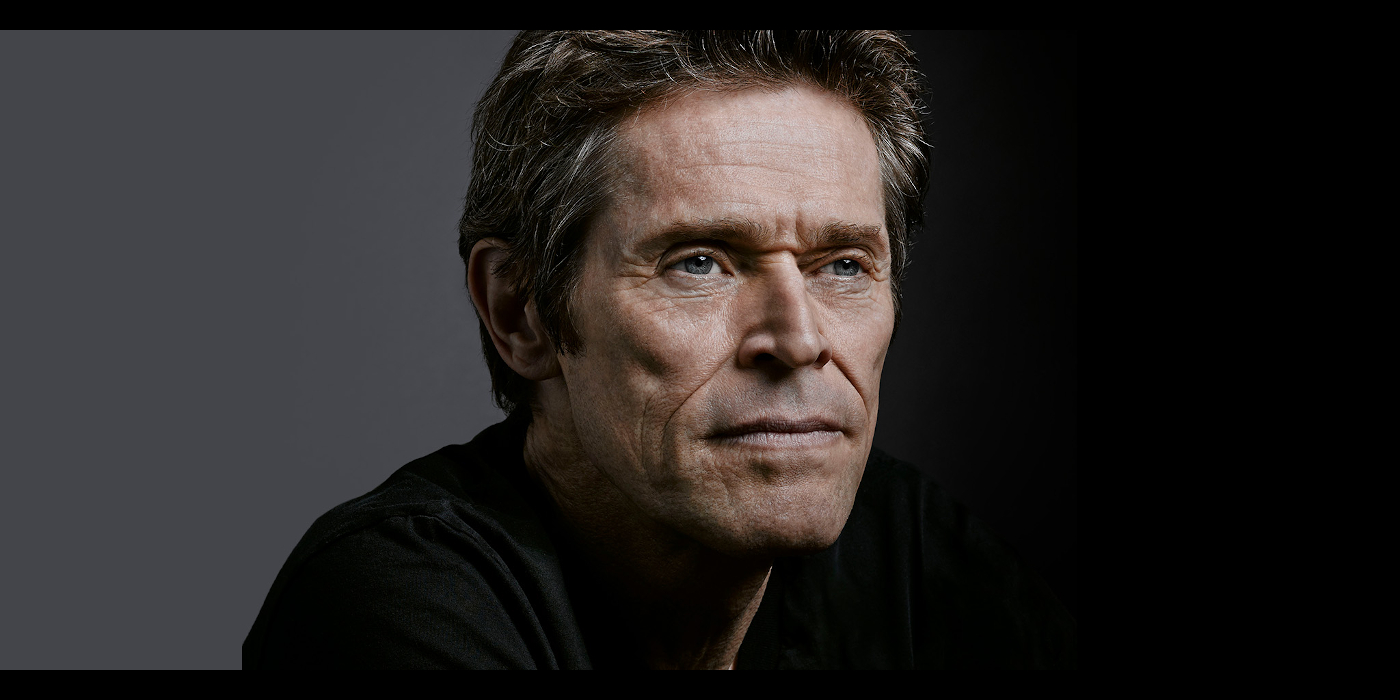
“Conversation with” at the 20th Marrakech IFF, interview with actor Willem Dafoe Bénédicte Prot
 play_arrow
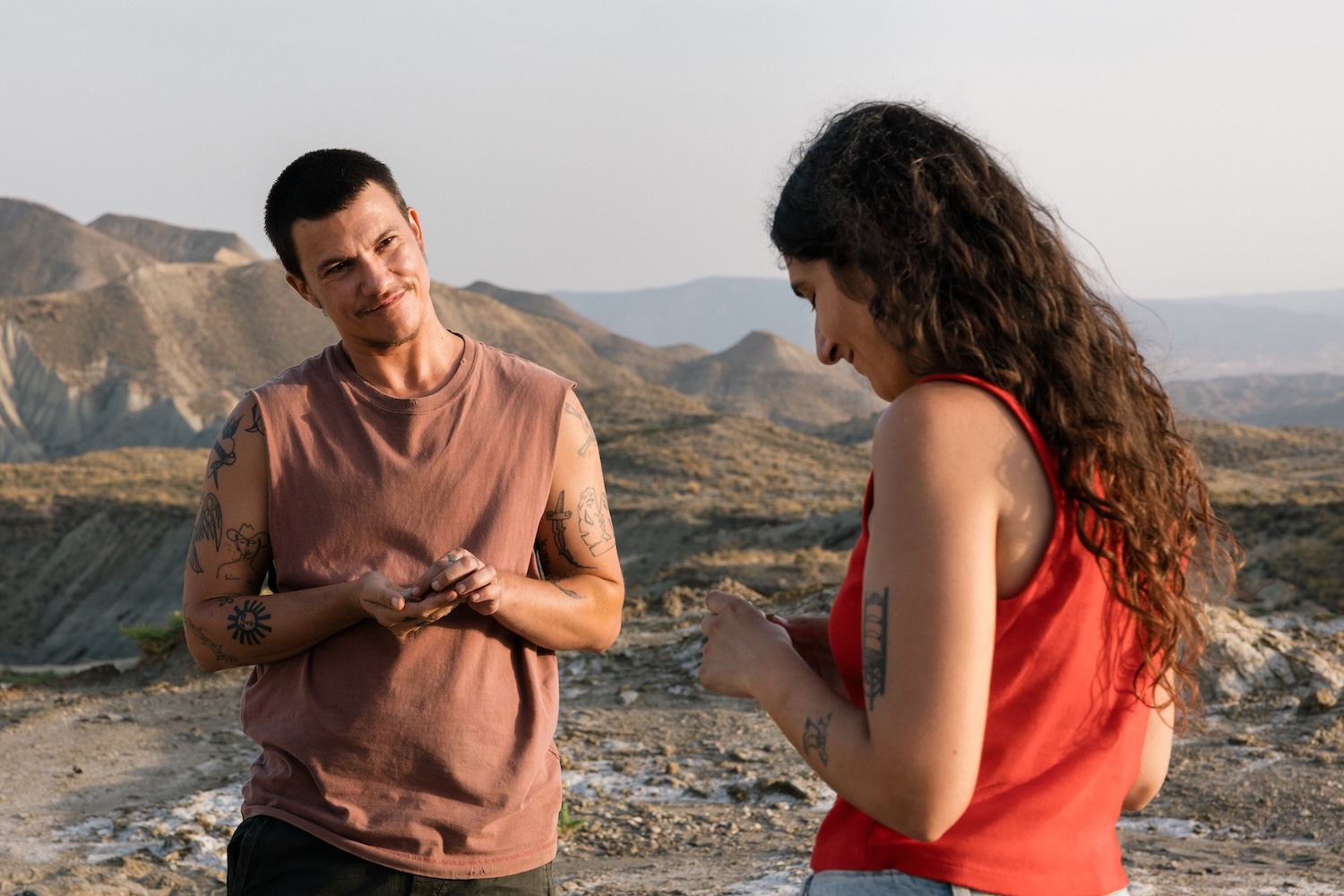
"Iván & Hadoum", interview with director Ian De La Rosa Chiara Nicoletti
After directing two successful short films, “Víctor xx” (2015), winner of the Cannes Cinéfondation Award and “Farrucas” (2021), selected at Clermont-Ferrand, director and screenwriter from Almería, Spain, Ian De La Rosa presents his debut film, “Iván & Hadoum” at the 76th Berlinale in the Panorama section.
The film just won the Teddy Award for best feature film.
“Iván & Hadoum” is a contemporary love story set in Ian De La Rosa’s and also an heartfelt story of transformation as it delves into the personal journey of its protagonist, Iván (Silver Chicón) as he navigates his gender transition, family expectations, and the search for love. This powerful narrative invites viewers to reflect on what it means to be true to oneself amidst societal pressures.
“I needed to tell a love story that I could identify with, and that at the same time would invite viewers to fall in love again”. With these words Ian De La Rosa reveals the genesis of his debut feature.
“Iván & Hadoum” masterfully portrays love as a transformative force capable of inspiring personal revolution. The film centers on Iván’s deep love for Hadoum, which acts as a catalyst for his journey of self-acceptance and discovery. Director Ian de la Rosa emphasizes that love is the main driving force behind Iván’s decisions, illustrating how personal relationships can challenge and reshape identities. The film also highlights the importance of creating a love refuge where individuality is celebrated and embraced.
In “Iván & Hadoum” , the director aims to present a realistic and respectful portrayal of trans experiences. The film explores the complex dynamics within Iván’s family as after accepting his transition, they adjust to it, emphasizing that family support often involves a second process of transformation. A notable moment is when Iván’s mother states, “You don’t owe us anything,” symbolizing the liberation and acceptance that can come from honest communication. The film advocates for recognizing individual rights to exist without permission and underscores that love and support can foster profound change within families.
“Iván & Hadoum” also emphasizes that gender is a “mask” that individuals can choose and reshape, challenging traditional notions of masculinity and femininity. The film balances layers of societal, familial, and personal expectations, ultimately revealing that authentic intimacy and self-expression are vital for genuine connection. Its portrayal of non-normative sexuality and tender intimacy aims to normalize diverse experiences and encourage acceptance, making the film a compelling addition to contemporary cinema.
In a greenhouse in southern Spain, Iván falls in love with newly hired co-worker Hadoum. But his long-awaited promotion interferes with their relationship, forcing him to decide what kind of person he wants to be.
Anke Blondé and Angelo Tijssens present "Dust" in Competition at the 76th Berlinale, a drama on masculinity and corporate collapse.
To represent Ireland at the EFP’s European Shooting Stars 2026: Danielle Galligan
Discover the secrets of the Co-Production Market at Berlinale—top projects, selection process, and how it fuels international collaborations in film and series, through the words of is Head, Martina Bleis.
"Hysteria" by Mehmet Akif Büyükatalay is a thriller with its rules and mechanism, dealing with unconventional issues, for the genre: vulnerability, xenophobia, racism and fear of strangers. A very tense film rooted in real facts, therefore very effective.
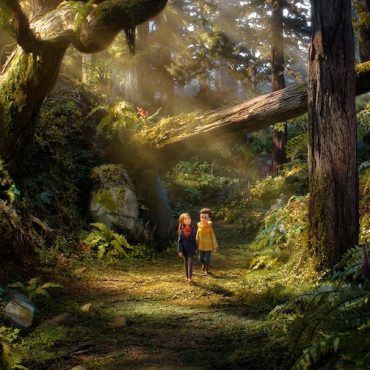
Character designer Thibault Leclercq talks about Wildwood and its stop-motion puppets, at the 24th edition of Alice nella Città.
Edinburgh Spanish Film Festival
Marian Arechega, director of the vibrant Edinburgh Spanish Film Festival, discusses the 2026 edition programme, showcasing recent and diverse cinema from Spain.
Nicolas Winding Refn on Her Private Hell, his first feature in ten years, in Italian cinemas from October 1.
Discover how EWIP - European Work in Progress connects European and African films with top buyers, boosting distribution and festival success.