

“Three Goodbyes”, interview with director Isabel Coixet
“Three Goodbyes”: Isabel Coixet discusses adapting Michela Murgia’s stories into a tender, life-affirming film about love, loss and what it means to be alive.
Listeners:
Top listeners:
 play_arrow
ENGLISH Channel 01 If English is your language, or a language you understand, THIS IS YOUR CHANNEL !
 play_arrow
ITALIAN Channel 02 Se l’italiano è la tua lingua, o una lingua che conosci, QUESTO È IL TUO CANALE!
 play_arrow
EXTRA Channel 03 FRED Film Radio channel used to broadcast press conferences, seminars, workshops, master classes, etc.
 play_arrow
GERMAN Channel 04 Wenn Ihre Sprache Deutsch ist, oder Sie diese Sprache verstehen, dann ist das IHR KANAL !
 play_arrow
POLISH Channel 05
 play_arrow
SPANISH Channel 06 Si tu idioma es el español, o es un idioma que conoces, ¡ESTE ES TU CANAL!
 play_arrow
FRENCH Channel 07 Si votre langue maternelle est le français, ou si vous le comprenez, VOICI VOTRE CHAINE !
 play_arrow
PORTUGUESE Channel 08
 play_arrow
ROMANIAN Channel 09 Dacă vorbiţi sau înţelegeţi limba română, ACESTA ESTE CANALUL DUMNEAVOASTRĂ!
 play_arrow
SLOVENIAN Channel 10
 play_arrow
ENTERTAINMENT Channel 11 FRED Film Radio Channel used to broadcast music and live shows from Film Festivals.
 play_arrow
BULGARIAN Channel 16 Ако българският е вашият роден език, или го разбирате, ТОВА Е ВАШИЯТ КАНАЛ !
 play_arrow
CROATIAN Channel 17 Ako je hrvatski tvoj jezik, ili ga jednostavno razumiješ, OVO JE TVOJ KANAL!
 play_arrow
LATVIAN Channel 18
 play_arrow
DANISH Channel 19
 play_arrow
HUNGARIAN Channel 20
 play_arrow
DUTCH Channel 21
 play_arrow
GREEK Channel 22
 play_arrow
CZECH Channel 23
 play_arrow
LITHUANIAN Channel 24
 play_arrow
SLOVAK Channel 25
 play_arrow
ICELANDIC Channel 26 Ef þú talar, eða skilur íslensku, er ÞETTA RÁSIN ÞÍN !
 play_arrow
INDUSTRY Channel 27 FRED Film Radio channel completely dedicated to industry professionals.
 play_arrow
EDUCATION Channel 28 FRED Film Radio channel completely dedicated to film literacy.
 play_arrow
SARDU Channel 29 Si su sardu est sa limba tua, custu est su canale chi ti deghet!
 play_arrow
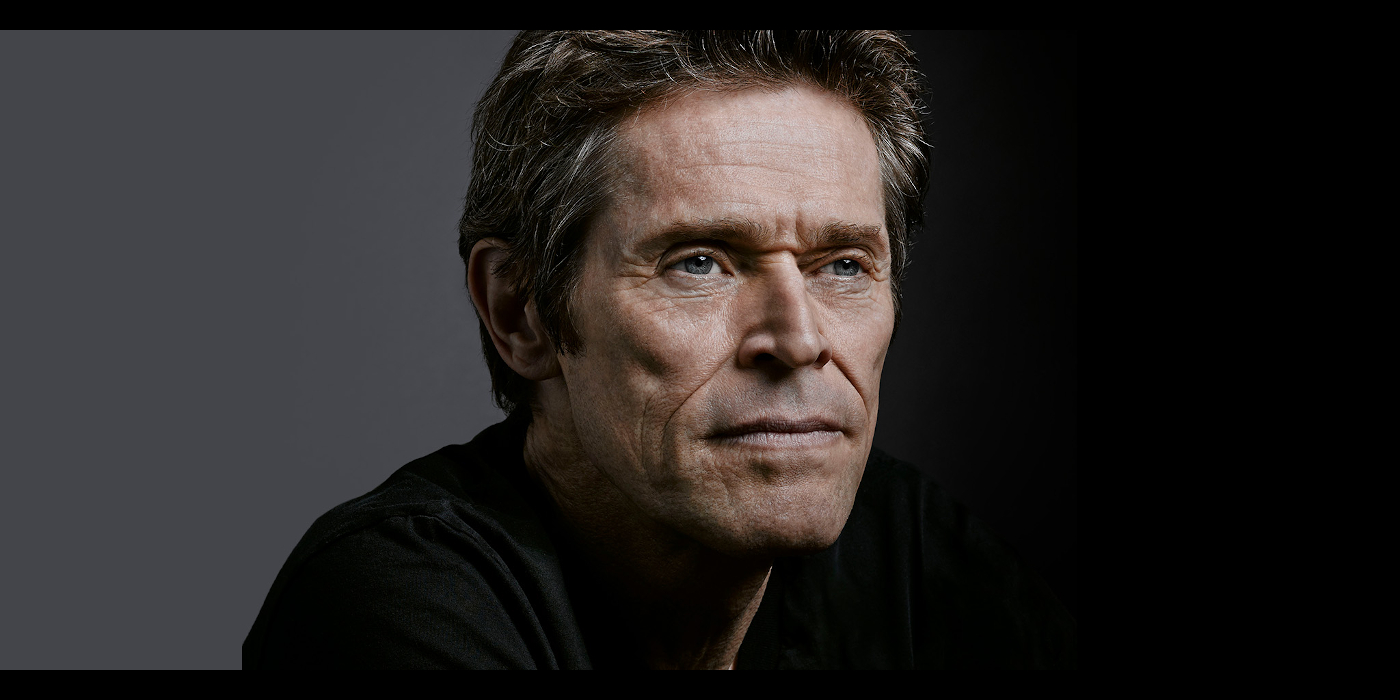
“Conversation with” at the 20th Marrakech IFF, interview with actor Willem Dafoe Bénédicte Prot
 play_arrow
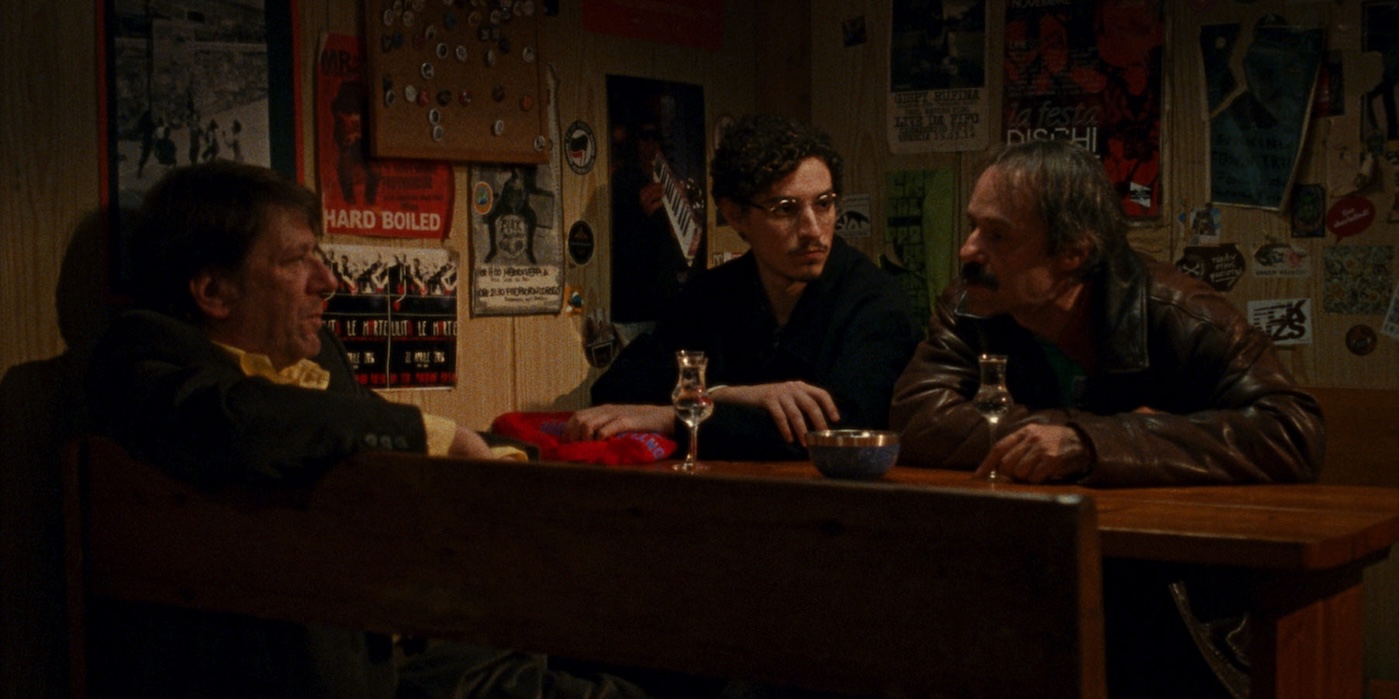
"The Last One for the Road", interview with director Francesco Sossai Sarah Bradbury
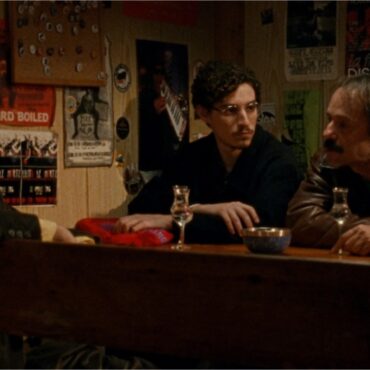
At the 16th Cinema Made in Italy festival at BFI Southbank, director Francesco Sossai spoke to Fred Film Radio about his gently melancholic road movie “The Last One for the Road”. The film follows two middle-aged misfits drifting across the Veneto countryside who unexpectedly pick up a shy architecture student, turning their wandering journey into a reflection on friendship, storytelling and contemporary Italy.
Francesco Sossai explained that the emotional core of the film comes from his own experiences in northern Italy after the 2008 financial crisis, when many people in his region found themselves outside the traditional industrial workforce. He recalls spending time with men who drifted from town to town, drinking and talking late into the night, yet who carried a deep “inner map” of the Veneto landscape. While the events in the film are fictionalised, that feeling of wandering friendship and quiet displacement became the starting point for the film’s trio of lovable outsiders.
The film’s warm, grainy texture comes from Francesco Sossai’s decision to shoot on film rather than digital. For him, this wasn’t simply about nostalgia but about the ritual of cinema. Working with celluloid creates a shared discipline between the director, cinematographer and crew and connects the film to a cinematic tradition while still engaging with the present.
When Filippo Scotti joins the story as Giulio, an introverted architecture student drawn into the orbit of the two older drifters, the film opens up into an intergenerational encounter. Sossai says Scotti’s greatest strength as an actor is his ability to listen, something that helped create a natural chemistry with co-stars Sergio Romano and Pierpaolo Capovilla. Looking back, the director described the film as a kind of “Polaroid” of the time they spent together making it.
Ultimately, for Francesco Sossai, “The Last One for the Road” echoes the spirit of classic Italian comedy — speaking about serious themes in a light way. While Sossai admits he isn’t particularly optimistic about the world today, he believes cinema can still create moments of connection. The film invites audiences to stay present and listen to the stories unfolding around them — and bringing it to BFI Southbank, a place he describes as one of cinema’s “temples,” was a dream. As he joked, it probably also helps that the film tends to connect especially well with audiences who appreciate a drink.
In this idiosyncratic, sardonic and slyly funny tale, two middle-aged misfits ramble by car around the Veneto countryside, picking up a shy architectural student on their wayward travels. With echoes of Don Quixote, this ambling shaggy dog tale is shot through with understated wit and psychological insight. It’s a genuinely distinctive film that offers a refreshing take on contemporary Italian life.
“Three Goodbyes”: Isabel Coixet discusses adapting Michela Murgia’s stories into a tender, life-affirming film about love, loss and what it means to be alive.
Dal 63° New York Film Festival, intervista esclusiva a Francesco Sossai, regista de "Le città di pianura (The Last One for the Road)".
Le Città di Pianura, opera prima di Francesco Sossai, arriva ad Un Certain Regard di Cannes 78, a due anni dal corto Il compleanno di Enrico
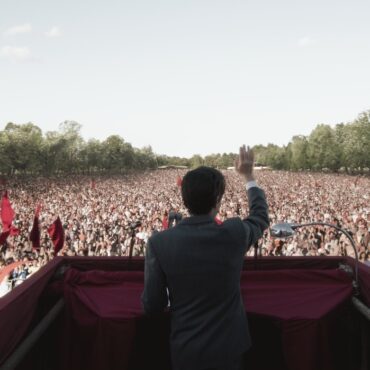
The Great Ambition, interview with director Andrea Segre on what 1970s Italian politics can tell us about today at Cinema Made in Italy 2025
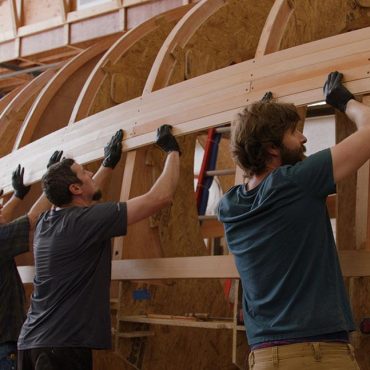
In the Open section at Venice 83, Luke Lorentzen on falling back in love with filmmaking in Boatbuilders
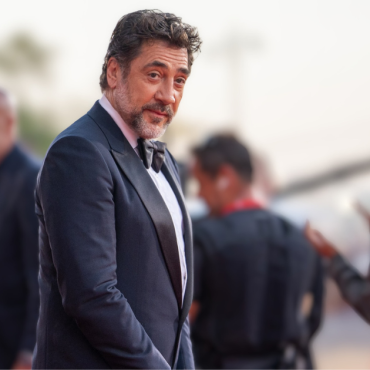
Javier Bardem will be one of the major guests of the Rome Film Fest 2026, receiving the Lifetime Achievement Award and presenting Rodrigo Sorogoyen’s El ser querido.
Liryc Dela Cruz, director of A Brief Encounter, at the International Critics Week, Venice Film Festival 2026.
Paul Schrader on The Basics of Philosophy, guilt and forgiveness, at the Venice Film Festival 2026.