


Golden Globes 2026: One Battle After Another Leads Film Nominations as The White Lotus Tops TV
One Battle After Another and The White Lotus lead the 2026 Golden Globe nominations as studios and streamers realign in a turbulent awards season.
Listeners:
Top listeners:
 play_arrow
ENGLISH Channel 01 If English is your language, or a language you understand, THIS IS YOUR CHANNEL !
 play_arrow
ITALIAN Channel 02 Se l’italiano è la tua lingua, o una lingua che conosci, QUESTO È IL TUO CANALE!
 play_arrow
EXTRA Channel 03 FRED Film Radio channel used to broadcast press conferences, seminars, workshops, master classes, etc.
 play_arrow
GERMAN Channel 04 Wenn Ihre Sprache Deutsch ist, oder Sie diese Sprache verstehen, dann ist das IHR KANAL !
 play_arrow
POLISH Channel 05
 play_arrow
SPANISH Channel 06 Si tu idioma es el español, o es un idioma que conoces, ¡ESTE ES TU CANAL!
 play_arrow
FRENCH Channel 07 Si votre langue maternelle est le français, ou si vous le comprenez, VOICI VOTRE CHAINE !
 play_arrow
PORTUGUESE Channel 08
 play_arrow
ROMANIAN Channel 09 Dacă vorbiţi sau înţelegeţi limba română, ACESTA ESTE CANALUL DUMNEAVOASTRĂ!
 play_arrow
SLOVENIAN Channel 10
 play_arrow
ENTERTAINMENT Channel 11 FRED Film Radio Channel used to broadcast music and live shows from Film Festivals.
 play_arrow
BULGARIAN Channel 16 Ако българският е вашият роден език, или го разбирате, ТОВА Е ВАШИЯТ КАНАЛ !
 play_arrow
CROATIAN Channel 17 Ako je hrvatski tvoj jezik, ili ga jednostavno razumiješ, OVO JE TVOJ KANAL!
 play_arrow
LATVIAN Channel 18
 play_arrow
DANISH Channel 19
 play_arrow
HUNGARIAN Channel 20
 play_arrow
DUTCH Channel 21
 play_arrow
GREEK Channel 22
 play_arrow
CZECH Channel 23
 play_arrow
LITHUANIAN Channel 24
 play_arrow
SLOVAK Channel 25
 play_arrow
ICELANDIC Channel 26 Ef þú talar, eða skilur íslensku, er ÞETTA RÁSIN ÞÍN !
 play_arrow
INDUSTRY Channel 27 FRED Film Radio channel completely dedicated to industry professionals.
 play_arrow
EDUCATION Channel 28 FRED Film Radio channel completely dedicated to film literacy.
 play_arrow
SARDU Channel 29 Si su sardu est sa limba tua, custu est su canale chi ti deghet!
 play_arrow
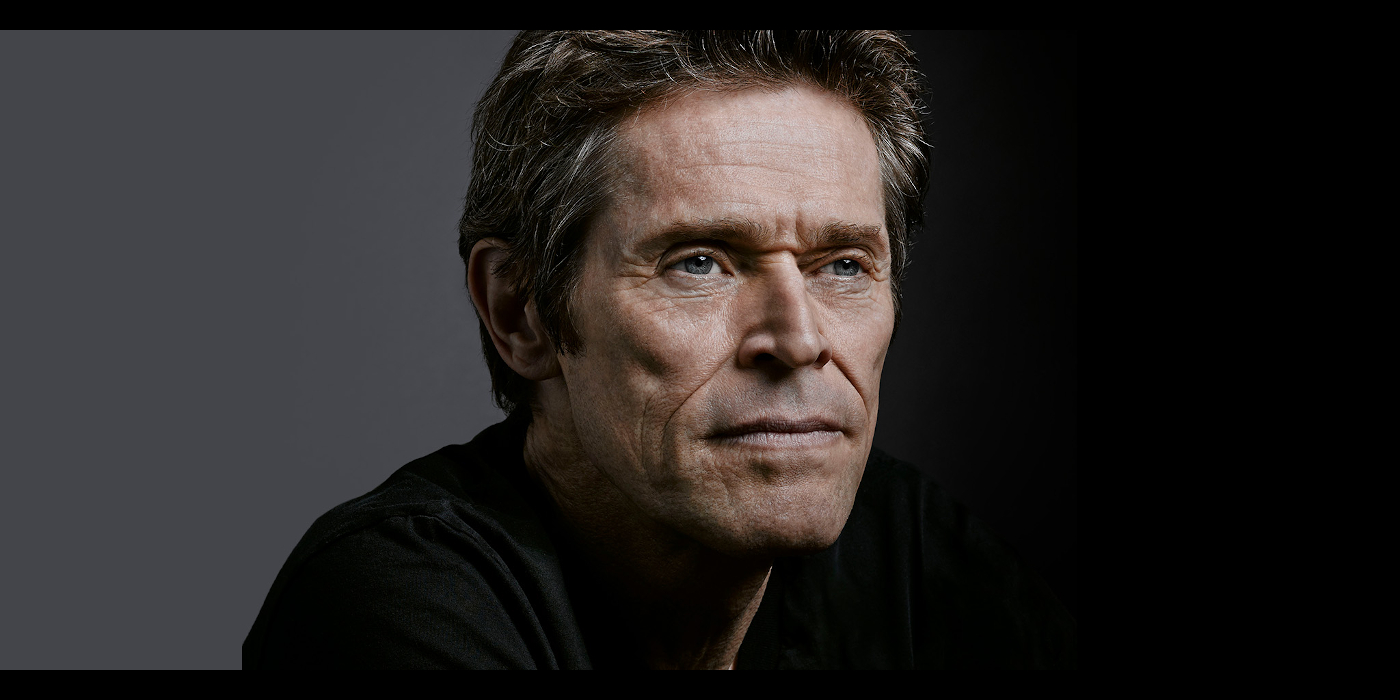
“Conversation with” at the 20th Marrakech IFF, interview with actor Willem Dafoe Bénédicte Prot
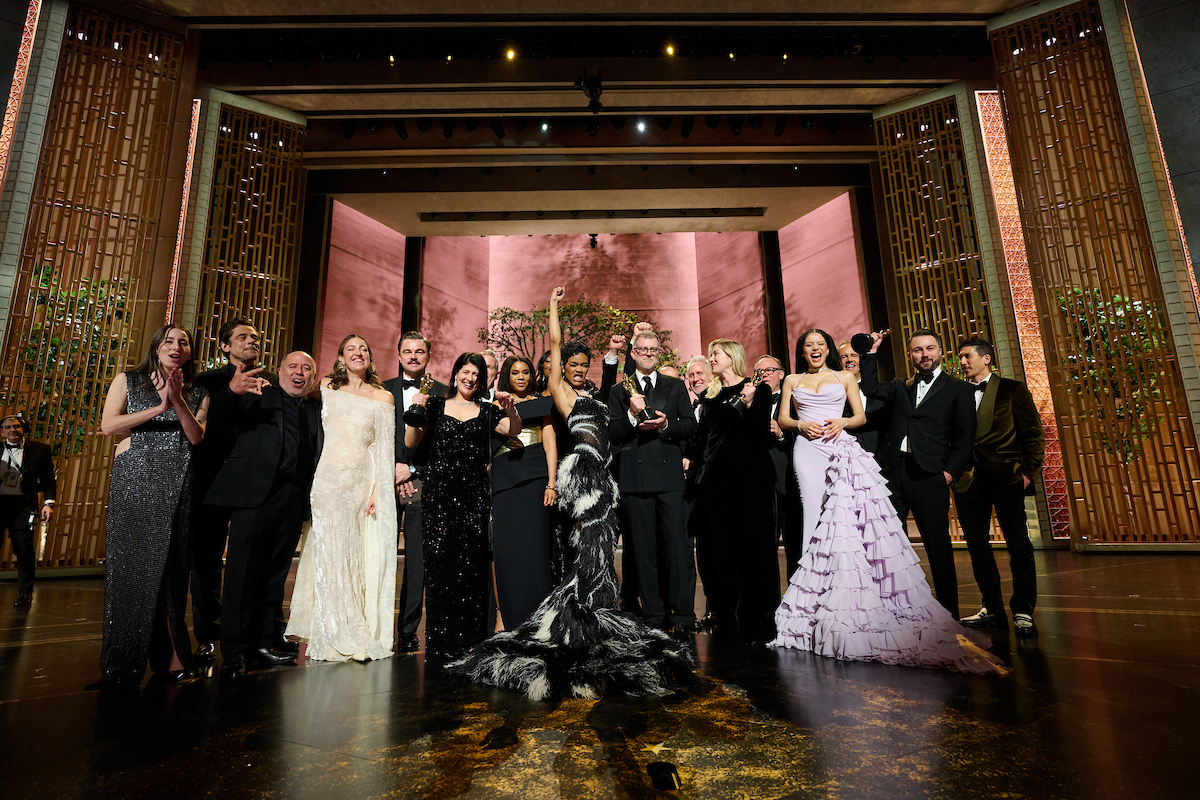
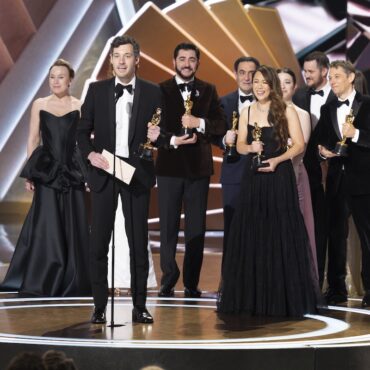
The 98th Academy Awards belonged to One Battle After Another, which won six Oscars, including Best Picture, Best Director and Best Adapted Screenplay for Paul Thomas Anderson. After years of nominations across titles such as Boogie Nights, There Will Be Blood and Phantom Thread, Anderson finally secured his first Academy Award, turning Oscar night into a career landmark as much as a victory for a single film.
Accepting the screenplay award, Anderson described the film as a response to the world being left behind for younger generations. His words gave the evening one of its clearest political notes and aligned closely with a ceremony that repeatedly returned to questions of power, fear and public responsibility.
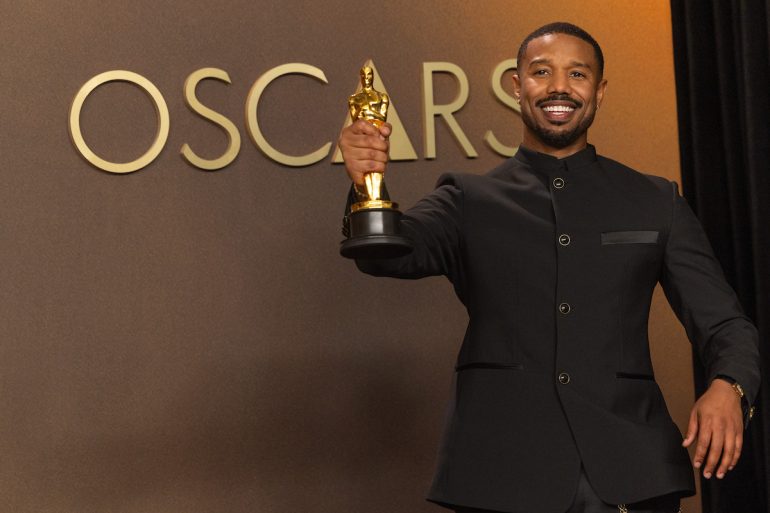
If One Battle After Another controlled the top of the ballot, Sinners remained the other defining title of the night. Ryan Coogler’s film won four Oscars: Best Actor for Michael B. Jordan, Best Original Screenplay, Best Original Score for Ludwig Göransson and Best Cinematography for Autumn Durald Arkapaw.
Jordan’s win gave the ceremony one of its most emotional acceptance speeches, with the actor thanking Coogler for giving him “opportunity and space to be seen.” Their creative partnership, already central to recent American studio cinema, now has Oscar recognition at its highest level.
Coogler’s screenplay victory also confirmed Sinners as more than a performance-driven success. The Academy rewarded it as a work of authorship, ambition and formal control.
Among the most significant moments of the evening was Autumn Durald Arkapaw’s Oscar for Sinners. With that win, she became the first woman ever to take the Academy Award for Best Cinematography, a major breakthrough in one of the institution’s most historically resistant categories.
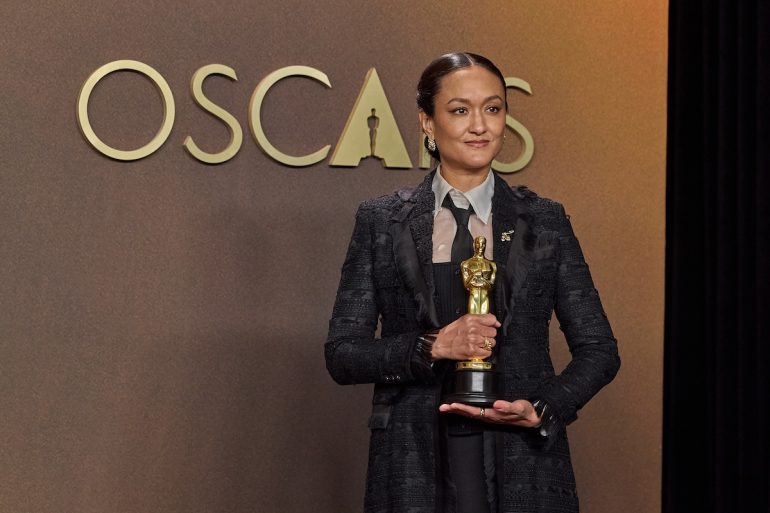
It was the kind of result that gave the ceremony real weight beyond the expected headlines. In a year dominated by conversations about representation, authorship and structural change in the industry, this was one of the awards that genuinely shifted the record.
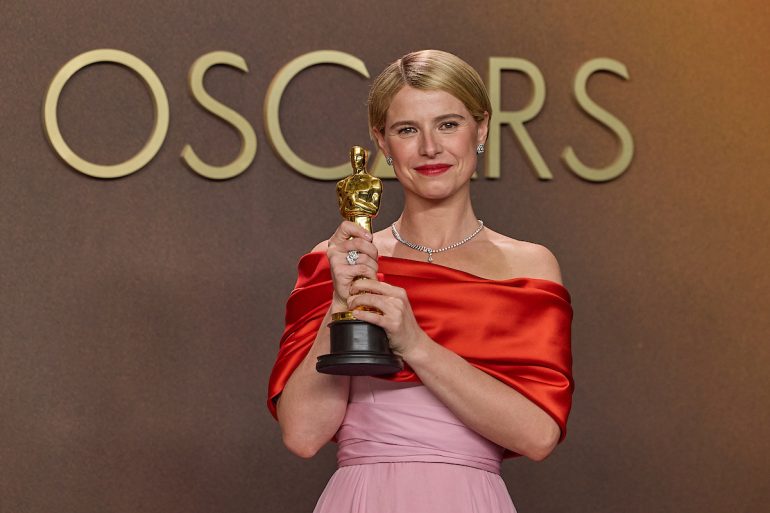
The lead acting awards went to two very different performances. Jordan won Best Actor for Sinners, while Jessie Buckley took Best Actress for Hamnet for her portrayal of a mother living through devastating loss. Buckley used her speech to dedicate the award to “the beautiful chaos of a mother’s heart,” connecting the role’s grief to a wider lineage of women and mothers.
In supporting categories, Sean Penn won for One Battle After Another, though he did not attend the ceremony, prompting a joke from presenter Kieran Culkin. Amy Madigan, meanwhile, won Best Supporting Actress for Weapons, completing one of the most satisfying late-career stories of the night. Her return to the Oscar stage, four decades after her previous nomination, gave the evening one of its sharpest emotional reversals.
The bigger industrial narrative of the night was Warner Bros. With One Battle After Another, Sinners and Weapons, the studio emerged as the clear commercial and awards-season powerhouse of the ceremony. That success, however, arrived at a moment of instability for both the company and the wider business.
The contradiction was impossible to miss. A studio capable of backing some of the year’s most distinct films also sits inside an entertainment industry marked by consolidation, layoffs and strategic uncertainty. In that sense, the Oscars celebrated creative risk while quietly acknowledging an anxious corporate reality underneath it.
This was not an openly militant ceremony, but it was unmistakably political. References to authoritarianism, war and media control surfaced throughout the telecast, both in speeches and in the framing of several awards. Javier Bardem used the international feature presentation to say “No to war and free Palestine,” while the documentary prize for Mr. Nobody Against Putin brought a direct warning about complicity, repression and public silence.
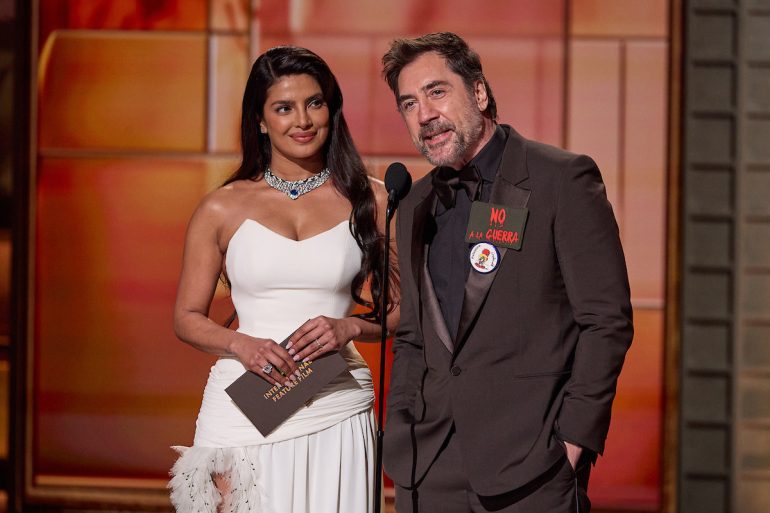
Security was also visibly heightened around the ceremony, adding another layer to an evening already shaped by global tension and domestic unease. Even when the show leaned into comedy, it never fully escaped the sense that cinema was being celebrated under pressure.
Hosting for the second consecutive year, Conan O’Brien opened with a pre-taped comic segment and then kept the telecast agile with a rhythm that moved between absurdity and seriousness. His monologue took aim at the nominated films, the streaming wars, and the state of culture before pivoting to a more sincere reflection on cinema as a global and collaborative form.
That tonal balance helped the ceremony. O’Brien did not attempt to overpower the room. He gave it shape, let the winners define the emotional register and kept the broadcast from collapsing under the weight of its own self-importance.
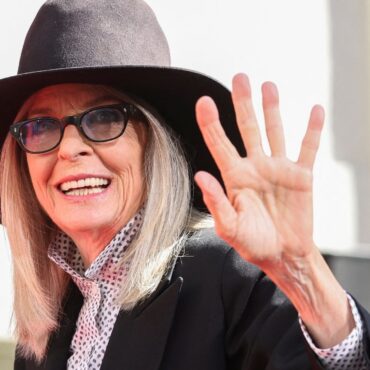
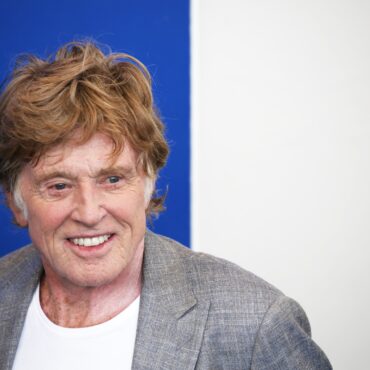
The ceremony also paused for the traditional In Memoriam segment, opened by Billy Crystal with a tribute to director Rob Reiner. The montage honoured several major figures of cinema who died over the past year, including Robert Redford, Diane Keaton and Catherine O’Hara. Barbra Streisand then appeared on stage to salute Redford, describing him as an “intellectual cowboy” before singing a passage of The Way We Were, turning the moment into one of the evening’s most emotional pauses amid an otherwise restless ceremony.
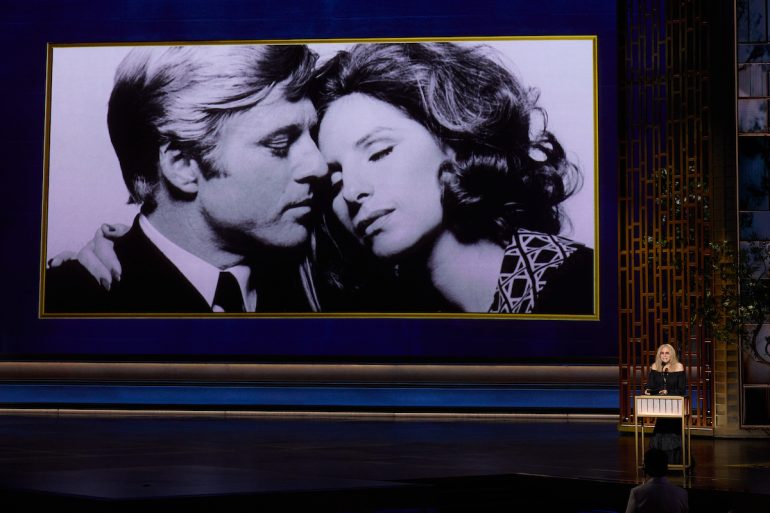
Outside the headline races, several wins stood out for what they suggested about the year in cinema. KPop Demon Hunters won Best Animated Feature, while “Golden” took Best Original Song, becoming the first K-pop song to win the category. Maggie Kang’s acceptance speech framed the victory as a matter of visibility and belonging, making it one of the evening’s clearest statements on representation.
Guillermo del Toro’s Frankenstein collected three craft Oscars for Costume Design, Makeup and Hairstyling, and Production Design, confirming its strength in world-building and visual construction. F1 won Best Sound, Avatar: Fire and Ash took Visual Effects, and the live-action short category produced a rare tie between The Singers and Two People Exchanging Saliva.
Joachim Trier’s Sentimental Value won Best International Feature, while Mr. Nobody Against Putin took Documentary Feature. Both victories reinforced the ceremony’s larger pattern: films shaped by questions of memory, violence and social fracture found a particularly receptive Academy this year.
In the end, the 2026 Oscars did not tell a story of a total sweep. They told a story of concentration at the top, with One Battle After Another leading decisively, but also of a wider field in which Sinners, Frankenstein, Hamnet and KPop Demon Hunters each claimed a distinct place.
What the Academy rewarded most clearly was authorship with scale, political undertow and emotional sharpness. It was a night for overdue recognition, historic firsts and films that seemed alert to the instability around them. That made the final image of the ceremony less triumphant than revealing. Hollywood celebrated itself, yes, but it also looked unusually aware of the world outside the theatre.
Best Picture: One Battle After Another
Best Director: Paul Thomas Anderson, One Battle After Another
Best Actor: Michael B. Jordan, Sinners
Best Actress: Jessie Buckley, Hamnet
Best Supporting Actor: Sean Penn, One Battle After Another
Best Supporting Actress: Amy Madigan, Weapons
Best Adapted Screenplay: Paul Thomas Anderson, One Battle After Another
Best Original Screenplay: Ryan Coogler, Sinners
Best Animated Feature: KPop Demon Hunters
Best Animated Short: The Girl Who Cried Pearls
Best Casting: Cassandra Kulukundis, One Battle After Another
Best Costume Design: Kate Hawley, Frankenstein
Best Live-Action Short: The Singers and Two People Exchanging Saliva
Best Makeup and Hairstyling: Frankenstein
Best Original Song: “Golden,” KPop Demon Hunters
Best Original Score: Ludwig Göransson, Sinners
Best Cinematography: Autumn Durald Arkapaw, Sinners
Best Documentary Feature: Mr. Nobody Against Putin
Best Documentary Short: All the Empty Rooms
Best Film Editing: Andy Jurgensen, One Battle After Another
Best International Feature: Sentimental Value
Best Production Design: Frankenstein
Best Sound: F1
Best Visual Effects: Avatar: Fire and Ash
One Battle After Another and The White Lotus lead the 2026 Golden Globe nominations as studios and streamers realign in a turbulent awards season.
The Oscar-winning star of Annie Hall and The Godfather dies at 79, leaving a legacy of wit, warmth and freedom.
Farewell to Robert Redford, 89. The Hollywood icon, Oscar-winning director, and founder of Sundance Film Festival died at his home in Utah, leaving behind an extraordinary legacy of film and activism.
Sean Baker’s Anora swept the 2025 Oscars, winning Best Picture and four others. Hosted by Conan O’Brien, the night balanced humor and social statements, celebrating the power of independent cinema.
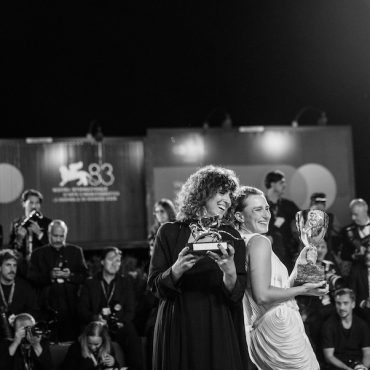
A double victory for Woman Unknown, major prizes for established auteurs and a strong showing for political cinema, new talent and Italian performers. The complete verdict of the Venice Film Festival 2026.
Presented out of competition in the Open section of Venice 83, Theo Rollason and Peter Tatchell trace Derek Jarman's legacy and today's fight for LGBTQ+ rights in Queer Edward II
"Listy-Letters from the Silenced Country" by director Andrei Kutsila reveals intimate stories of Belarusian prisoners and exiles, giving voice to resilience and hope amid repression.
"Guria" by director Levan Koguashvili offers a captivating blend of humor and tragedy set in 90s Georgia, highlighting human resilience and authentic stories from post-Soviet times.