Debuting on Prime Video from April 29th in over 240 countries and territories, “The House of the Spirits” is the first Spanish-language serial adaptation of Isabel Allende‘s beloved novel.
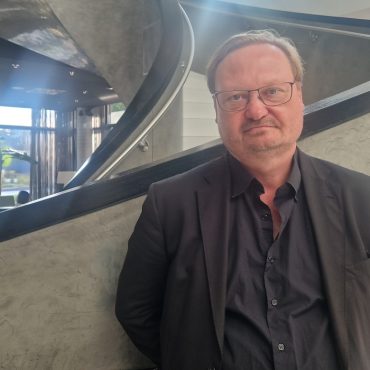
Produced by FilmNation Entertainment, the Oscar-winning company behind “Anora” and “Conclave”, the eight-episode saga spans half a century and three generations of women: Clara, Blanca and Alba, navigating love, magic and political upheaval in a conservative South American country. Alongside showrunners Francisca Alegría and Fernanda Urrejola, Chilean director Andrés Wood, known internationally for “News of a Kidnapping”, completed the trio that brought this big project to the screen.
A project born from obsession
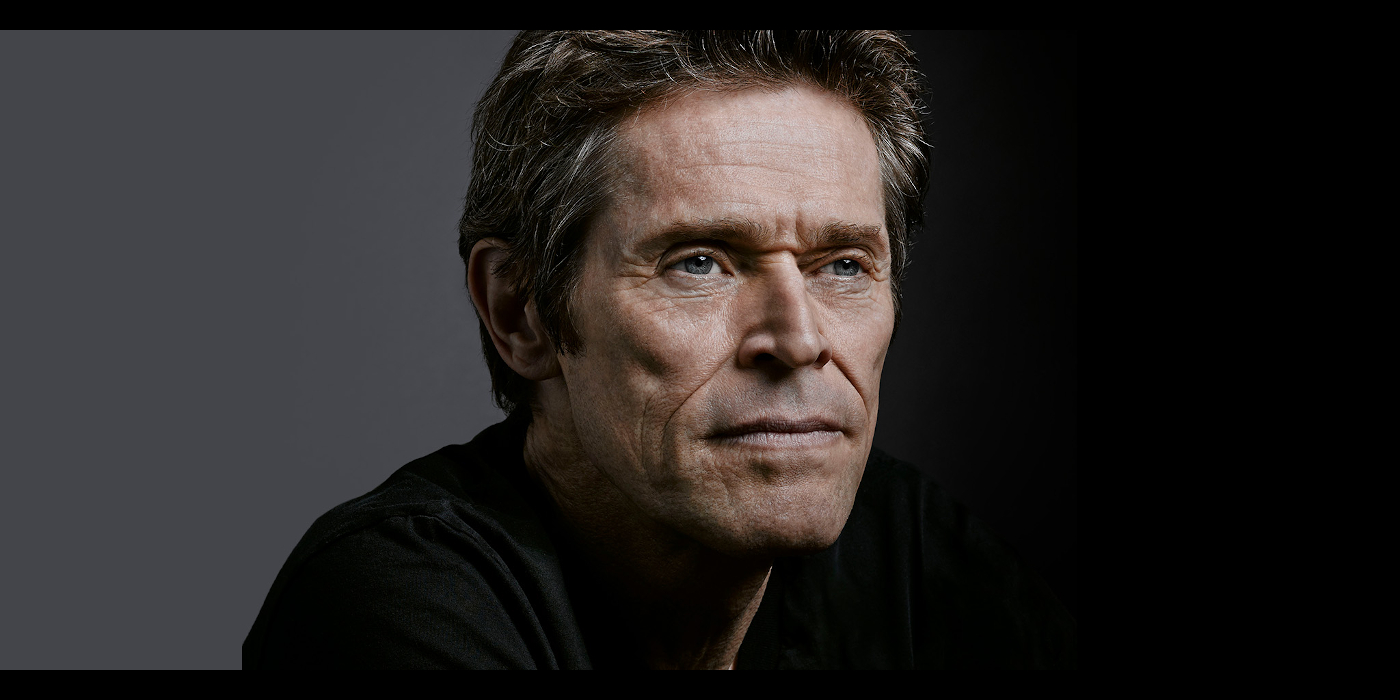
Andrés Wood is clear about one thing from the start: the milestones for this project were Francisca Alegría and Fernanda Urrejola, long before he came on board. What drew him in, once he did, was a deep personal connection to the material. He read “The House of the Spirits” as a young man in Chile in the late 1980s, when the book was still forbidden. “I didn’t realize it then, but rereading it when they asked me to work on the project, I understood that this idea of mixing the political and the social with personal life is something absolutely related to my own work.”
A classic that keeps speaking
Asked whether Isabel Allende‘s work feels prophetic today, Andrés Wood reaches for something broader: the magic of the classics. “They allow you to reread them again and again, and the same words have different meanings each time.” Our lives, he says, move in cycles, two steps forward, one step back and what we are living today is clearly connected to the book, to the story of this family across fifty years. The parallels are not coincidental. They are structural.
The challenge of adaptation
Translating this novel to the screen has never been easy. The 1993 film, for all its extraordinary cast, had to cut an entire generation and compress the story drastically. A series of eight episodes was still a great challenge, Andrés Wood says, though he feels the format finally does justice to the material’s scale. “It can always be more but we felt so privileged to be able to do it at all. Twenty years ago, ten years ago, it would have been impossible to make this series in Spanish with Latin actors shot in Chile.”
Chile, without naming it
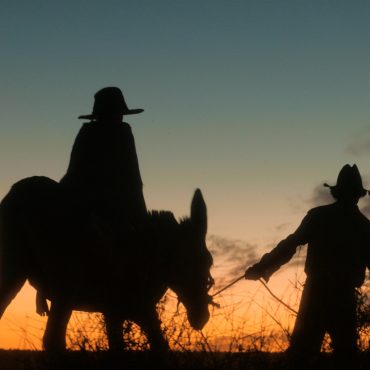
Like his co-showrunners, Andrés Wood embraced the novel’s deliberate ambiguity about its setting while remaining firmly rooted in Chilean specificity. “We didn’t want to just be Chile, but the landscape is Chile, we have desert, volcanoes, lakes, rivers.” FilmNation and Amazon were generous in allowing them to shoot on location, and the team found what Andrés Wood describes as a good midpoint: being particular enough to carry the genuine DNA of a culture, while speaking broadly enough to connect with a global audience. It is, he notes, the same thing the novel does, never naming Chile, yet unmistakably Chilean on every page.
Alba’s point of view and a look on patriarchy
For Andrés Wood, the most important creative decision Francisca Alegría and Fernanda Urrejola made, one the 1993 film did not, was to make absolutely clear that the story is being told from the point of view of Alba, the fourth generation. “It’s her point of view always. She’s telling the story because she has a great-grandmother, a grandmother and a mother who helped her tell it. That’s the modern thing for me.” In a moment when patriarchy, he says, is operating at full energy, the clarity of that narrative perspective, a woman who has survived, who understands, who chooses healing over hatred, feels essential.
Plot
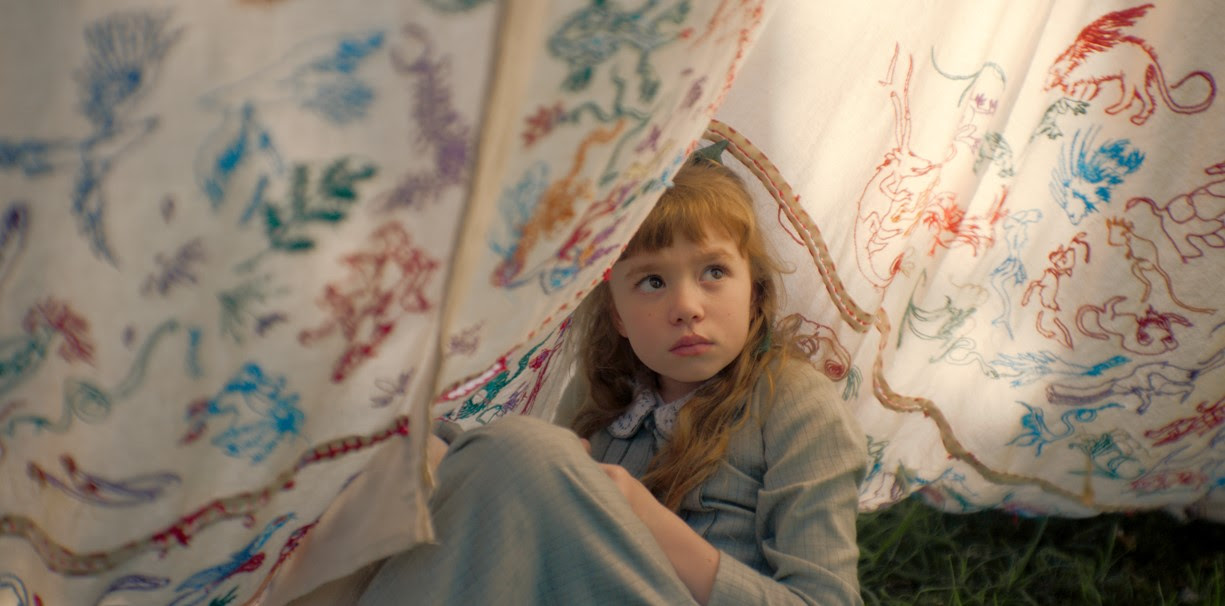
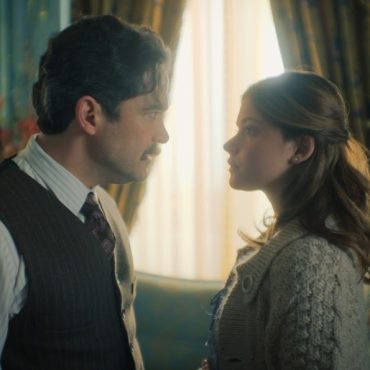
"The House of the Spirits" is an eight-episode family saga that follows the lives of revolutionary and resilient women - Clara, the grandmother, Blanca, the daughter, and Alba, the granddaughter - over half a century in a remote, conservative South American country shaped by disaster, class conflict, and magic.