

“The House of the Spirits”, interview with showrunner Andrés Wood
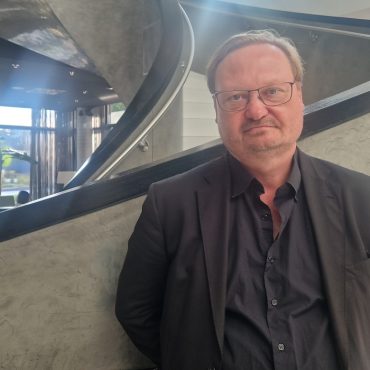
With "The House of the Spirits", now on Prime Video, Andrés Wood reflects on cycles, classics and the privilege of telling a forbidden story.
Listeners:
Top listeners:
 play_arrow
ENGLISH Channel 01 If English is your language, or a language you understand, THIS IS YOUR CHANNEL !
 play_arrow
ITALIAN Channel 02 Se l’italiano è la tua lingua, o una lingua che conosci, QUESTO È IL TUO CANALE!
 play_arrow
EXTRA Channel 03 FRED Film Radio channel used to broadcast press conferences, seminars, workshops, master classes, etc.
 play_arrow
GERMAN Channel 04 Wenn Ihre Sprache Deutsch ist, oder Sie diese Sprache verstehen, dann ist das IHR KANAL !
 play_arrow
POLISH Channel 05
 play_arrow
SPANISH Channel 06 Si tu idioma es el español, o es un idioma que conoces, ¡ESTE ES TU CANAL!
 play_arrow
FRENCH Channel 07 Si votre langue maternelle est le français, ou si vous le comprenez, VOICI VOTRE CHAINE !
 play_arrow
PORTUGUESE Channel 08
 play_arrow
ROMANIAN Channel 09 Dacă vorbiţi sau înţelegeţi limba română, ACESTA ESTE CANALUL DUMNEAVOASTRĂ!
 play_arrow
SLOVENIAN Channel 10
 play_arrow
ENTERTAINMENT Channel 11 FRED Film Radio Channel used to broadcast music and live shows from Film Festivals.
 play_arrow
BULGARIAN Channel 16 Ако българският е вашият роден език, или го разбирате, ТОВА Е ВАШИЯТ КАНАЛ !
 play_arrow
CROATIAN Channel 17 Ako je hrvatski tvoj jezik, ili ga jednostavno razumiješ, OVO JE TVOJ KANAL!
 play_arrow
LATVIAN Channel 18
 play_arrow
DANISH Channel 19
 play_arrow
HUNGARIAN Channel 20
 play_arrow
DUTCH Channel 21
 play_arrow
GREEK Channel 22
 play_arrow
CZECH Channel 23
 play_arrow
LITHUANIAN Channel 24
 play_arrow
SLOVAK Channel 25
 play_arrow
ICELANDIC Channel 26 Ef þú talar, eða skilur íslensku, er ÞETTA RÁSIN ÞÍN !
 play_arrow
INDUSTRY Channel 27 FRED Film Radio channel completely dedicated to industry professionals.
 play_arrow
EDUCATION Channel 28 FRED Film Radio channel completely dedicated to film literacy.
 play_arrow
SARDU Channel 29 Si su sardu est sa limba tua, custu est su canale chi ti deghet!
 play_arrow
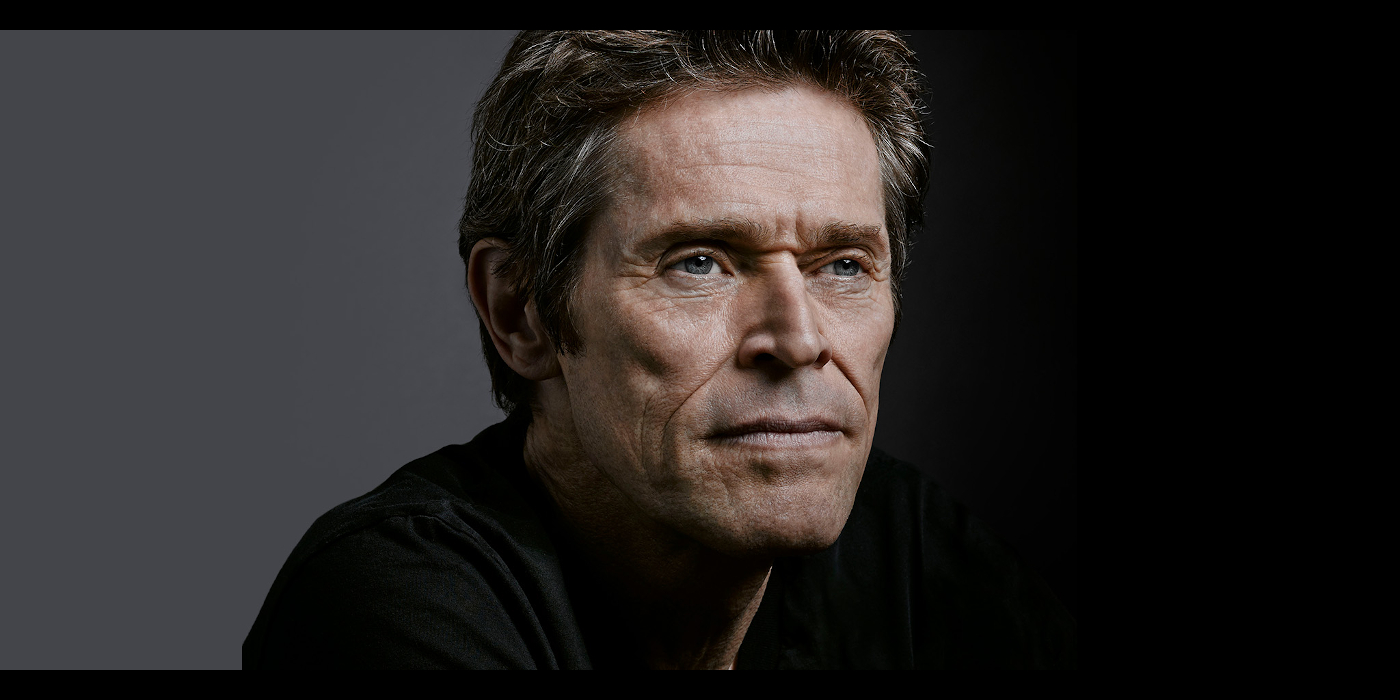
“Conversation with” at the 20th Marrakech IFF, interview with actor Willem Dafoe Bénédicte Prot
 play_arrow
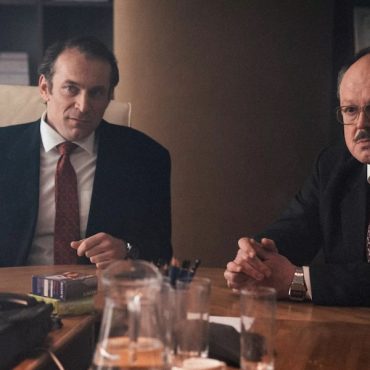
“The House of the Spirits”, interview with showrunners Francisca Alegría and Fernanda Urrejola Chiara Nicoletti
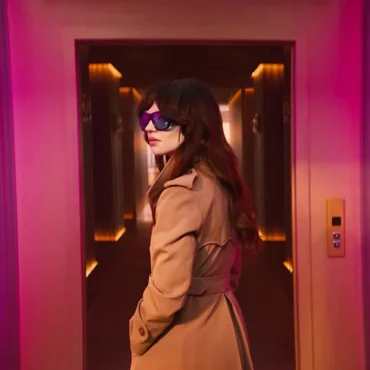
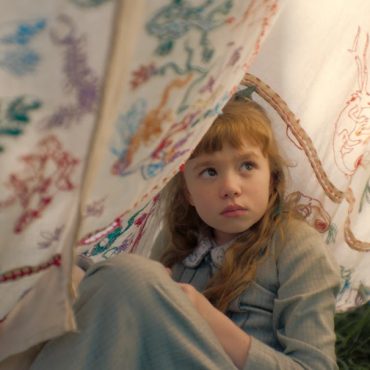
Debuting on Prime Video from April 29th in over 240 countries and territories, “The House of the Spirits” is the first Spanish-language serial adaptation of Isabel Allende’s beloved novel.
Produced by FilmNation Entertainment, the Oscar-winning company behind “Anora” and “Conclave”, the eight-episode saga spans half a century and three generations of women: Clara, Blanca and Alba, navigating love, magic and political upheaval in a conservative South American country.
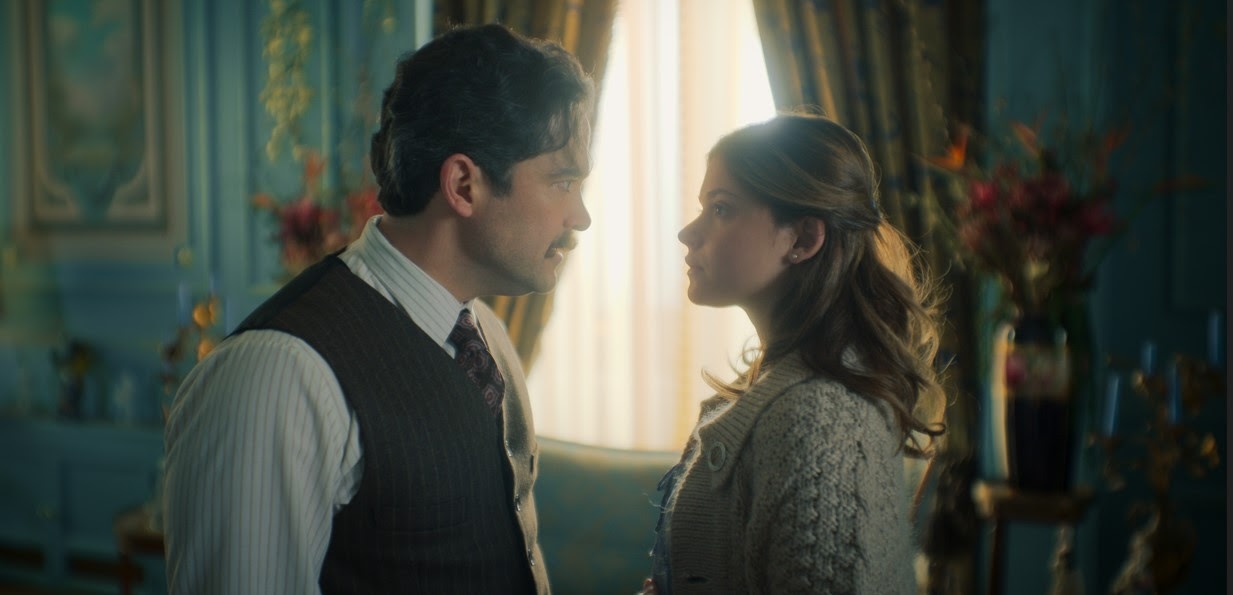
The series stars Alfonso Herrera as Esteban Trueba, with Nicole Wallace and Dolores Fonzi sharing the role of Clara del Valle, and features an extraordinary pan-Latin American cast. Isabel Allende, Eva Longoria and Courtney Saladino serve as executive producers alongside showrunners Francisca Alegría, Fernanda Urrejola and Andrés Wood.
For Francisca Alegría and Fernanda Urrejola, the project began long before cameras rolled. “It has been an amazing journey, a dream come true”, they say, right at the beginning of the interview. They had initially thought about adapting a smaller Allende novel, something no one could have the rights to when finally FilmNation brought them the project. “It was very serendipitous and magical.” As Chilean women, they knew exactly what this novel meant: “Isabel Allende is a hero, she wrote this novel during the dictatorship, in exile, not knowing how long it was going to last.” The trip to Berlin, at the 76th Berlinale, where the show was presented ahead of its global launch, felt like the final stretch of a very long labour. “It’s like giving birth to a child”, they both declare.
The timing of the adaptation feels anything but coincidental. When they first received the news that they would be adapting the novel, it was right after the Chilean social revolt of 2019 with the wound of the dictatorship reopening, people confronting the police in the streets. “It felt like a collective emotional awakening” they say, “and we thought: we’re adapting this novel now.” Sadder still, the feeling has only grown since. “We see this rise of violence and fascism and suddenly we feel that we are not so free after all.” Chile, they note, is a country that has never fully reckoned with its history as two versions of the past live in parallel, never coexisting. “We need to stop talking about right and left and start talking about humanity and how to take care of each other.” Telling this story now, through the eyes of Alba, a granddaughter who can finally articulate what the women before her could not speak out, felt not just timely but necessary.
Isabel Allende herself told them that her novel was, at its core, about how patriarchy operates and destroys everything. What Francisca Alegría and Fernanda Urrejola wanted to preserve was its vision of female power: not a power modelled on male violence or dominance, but something quieter and more radical. “These women are powerful because they are women, in a very feminine way. They don’t need to become like men and fight with violence in order to be heard.” Clara doesn’t fight back, she creates a different reality for herself and her loved ones. Alba, at the end, doesn’t respond to horror with hatred: she focuses on healing, on compassion, on understanding that things could now be done differently. “It’s not about revenge. It’s not about women being more powerful than men, it’s about collaboration.”
When asked how this experience shaped them, both personally and artistically, Francisca Alegría and Fernanda Urrejola confirm that it was, for them, a life-changing experience. “I am completely a different woman after making this show, in all the senses,” says one. “We were not only talking about story, we were healing our own stories through writing.” On set, they created spaces of nurturing for the actresses , circles of conversation, not rehearsal, where emotions could be held safely before demanding scenes. “ It is, they say, precisely the kind of care that the industry too rarely offers and exactly what this story asks of everyone who tells it.
"The House of the Spirits" is an eight-episode family saga that follows the lives of revolutionary and resilient women - Clara, the grandmother, Blanca, the daughter, and Alba, the granddaughter - over half a century in a remote, conservative South American country shaped by disaster, class conflict, and magic.
With "The House of the Spirits", now on Prime Video, Andrés Wood reflects on cycles, classics and the privilege of telling a forbidden story.
Arieh Worthalter and Jan Hammenecker discuss "Dust" in Competition at the 76th Berlinale, reflecting on shame and male identity.
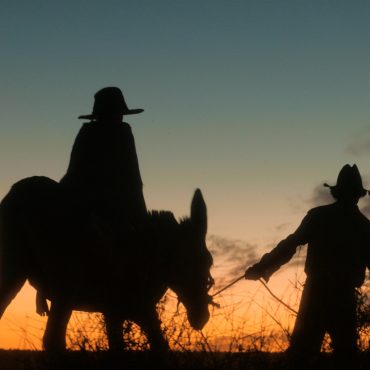
With "Wolfram", presented at the 76th Berlinale, Thornton goes back to the Western genre, this time filled with hope overcoming a tough world.
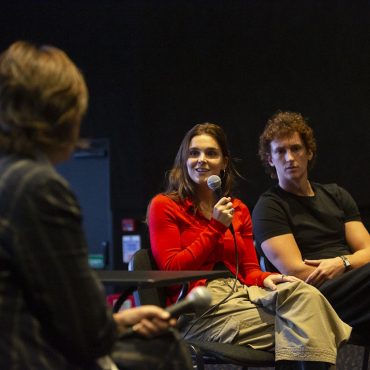
The Berlinale Pro* Director Tanja Meissner introduces the numerous new initiatives the EFM is starting this year such as the EFM Animation Days, EFM Beyond and EFM Frontières Focus
Edinburgh Spanish Film Festival
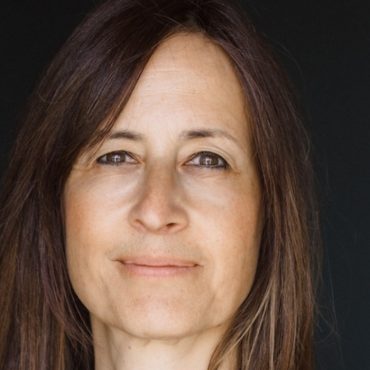
Marian Arechega, director of the vibrant Edinburgh Spanish Film Festival, discusses the 2026 edition programme, showcasing recent and diverse cinema from Spain.
Nicolas Winding Refn on Her Private Hell, his first feature in ten years, in Italian cinemas from October 1.
Discover how EWIP - European Work in Progress connects European and African films with top buyers, boosting distribution and festival success.
Rome is once again expanding the scope of its Film Fest: thirteen days of cinema, international premieres, renowned auteurs, emerging talent, series, documentaries, and cinematic heritage—with Javier Bardem, Paolo Genovese, and Monica Vitti at the heart of an edition that …