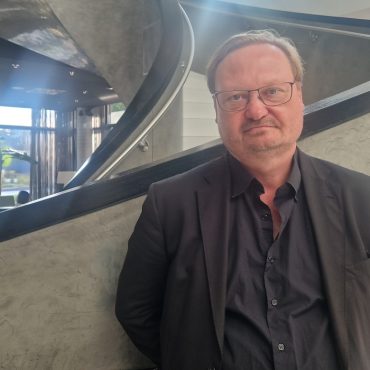


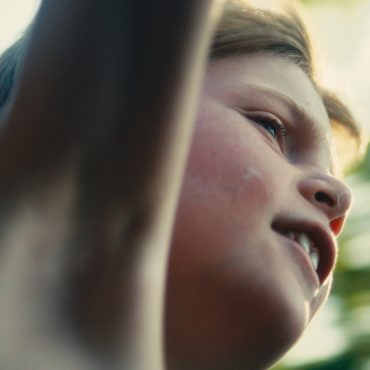
“Tin Castle”, interview with director Alexander Murphy
Discover the heartfelt story of "Tin Castle" with director Alexander Murphy, unveiling love, community, and resilience beyond stereotypes in a captivating Irish traveller family
Listeners:
Top listeners:
 play_arrow
ENGLISH Channel 01 If English is your language, or a language you understand, THIS IS YOUR CHANNEL !
 play_arrow
ITALIAN Channel 02 Se l’italiano è la tua lingua, o una lingua che conosci, QUESTO È IL TUO CANALE!
 play_arrow
EXTRA Channel 03 FRED Film Radio channel used to broadcast press conferences, seminars, workshops, master classes, etc.
 play_arrow
GERMAN Channel 04 Wenn Ihre Sprache Deutsch ist, oder Sie diese Sprache verstehen, dann ist das IHR KANAL !
 play_arrow
POLISH Channel 05
 play_arrow
SPANISH Channel 06 Si tu idioma es el español, o es un idioma que conoces, ¡ESTE ES TU CANAL!
 play_arrow
FRENCH Channel 07 Si votre langue maternelle est le français, ou si vous le comprenez, VOICI VOTRE CHAINE !
 play_arrow
PORTUGUESE Channel 08
 play_arrow
ROMANIAN Channel 09 Dacă vorbiţi sau înţelegeţi limba română, ACESTA ESTE CANALUL DUMNEAVOASTRĂ!
 play_arrow
SLOVENIAN Channel 10
 play_arrow
ENTERTAINMENT Channel 11 FRED Film Radio Channel used to broadcast music and live shows from Film Festivals.
 play_arrow
BULGARIAN Channel 16 Ако българският е вашият роден език, или го разбирате, ТОВА Е ВАШИЯТ КАНАЛ !
 play_arrow
CROATIAN Channel 17 Ako je hrvatski tvoj jezik, ili ga jednostavno razumiješ, OVO JE TVOJ KANAL!
 play_arrow
LATVIAN Channel 18
 play_arrow
DANISH Channel 19
 play_arrow
HUNGARIAN Channel 20
 play_arrow
DUTCH Channel 21
 play_arrow
GREEK Channel 22
 play_arrow
CZECH Channel 23
 play_arrow
LITHUANIAN Channel 24
 play_arrow
SLOVAK Channel 25
 play_arrow
ICELANDIC Channel 26 Ef þú talar, eða skilur íslensku, er ÞETTA RÁSIN ÞÍN !
 play_arrow
INDUSTRY Channel 27 FRED Film Radio channel completely dedicated to industry professionals.
 play_arrow
EDUCATION Channel 28 FRED Film Radio channel completely dedicated to film literacy.
 play_arrow
SARDU Channel 29 Si su sardu est sa limba tua, custu est su canale chi ti deghet!
 play_arrow
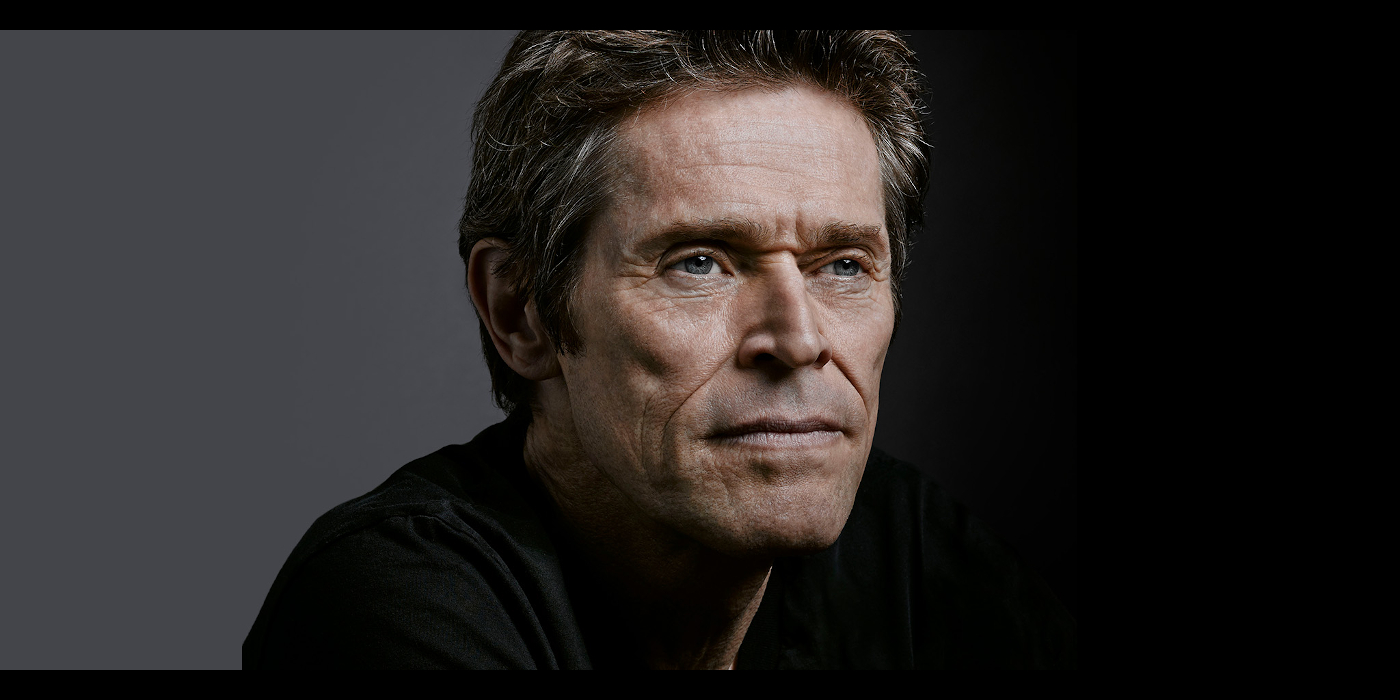
“Conversation with” at the 20th Marrakech IFF, interview with actor Willem Dafoe Bénédicte Prot
 play_arrow
"The Electric Kiss", an interview with director Pierre Salvadori Bénédicte Prot
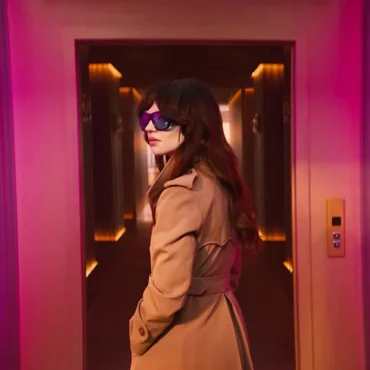
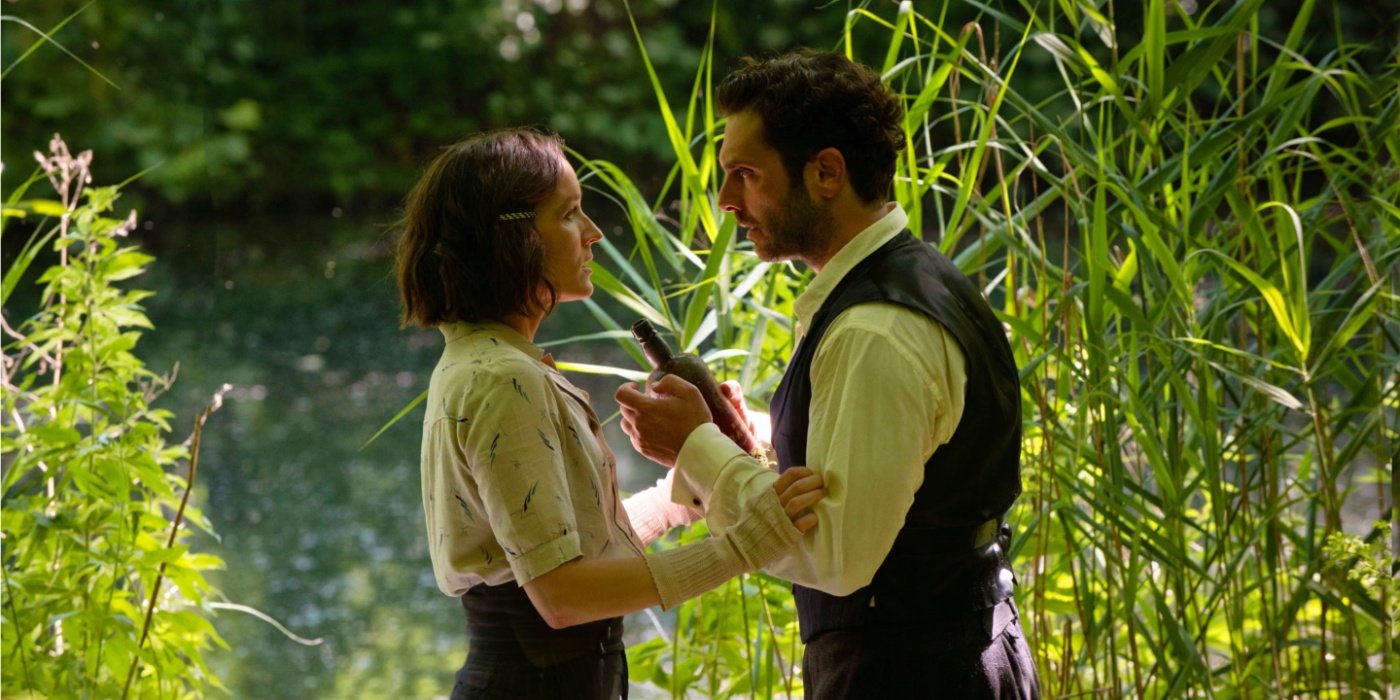
Pierre Salvadori‘s eleventh feature film, “The Electric Kiss“, his first period project, set in the roaring 20s, inaugurated the 79th Cannes Film Festival in a flurry of rich visuals and narrative mischief, around a story of death, art, and love where lies, delusions, parallel accounts and intrigues keep piling up, leading the characters in a whirlwind of emotions and discoveries where the trickster may very well be the one who gets tricked.
The idea for this film – starring Pio Marmaï as the bereaved painter who is duped into thinking he can reunite with his regretted wife (Vimala Pons) through an exploited circus performer (Anaïs Demoustier) who just happened to be there when the inconsolable widower was looking for a medium to communicate with her, and is encouraged to keep up the lie by the artist’s friend and agent (Gilles Lellouche) – came from a note to Salvadori actor made by Rebecca Zlotowski when she was directing him in her “Planetarium”, ten years ago.
The French director (whose credits include “White Lies“, “In the Courtyard“, and “The Trouble with you“, amongst others) explains how this suggestion led to the choice of that specific period in time and these rich, often theatre-like settings (without the film ever being anything other than very cinematic in its cinematography, rhythm and movement), and describes how he progressively constructed the script (together with Benjamin Charbit and Benoît Graffin, based on an original idea by Zlotowski and Robin Campillo).
However obsessed with the multiplicity of stories which can derive from the same events (as truth is something quite elusive in Salvadori’s films, very playfully so, if it exists at all, at least under the form of an account), the director underlines that they mostly interest him for the mise-en-scène they call for: “In film, you have to make believe, and that’s when the directing part comes in.”
“The Electric Kiss” brought about a new realisation for Pierre Salvadori: “If I’m gonna have a story, I’s gonna have a story which is meaningful, but with this movie, I realised I had very much a character-driver story on my hands. When Rebecca told me that, I thought ‘Oh my god, these people are going to turn on each other and they are going to produce a lot of fiction.’ There won’t be new things coming in, no surprises: they were going to create the script just by being together in front of the camera.”
“All the subject matters are brought about by the characters,” he continues, “I will not make any more movies starting with an idea I want to talk about, a guiding subject matter: I will let all my characters be themselves and the subjects will surface through them, and it’s exactly what happened with this movie. You have this woman, you have this fake psychic, and this painter, and suddenly you’re talking about money and art, about friendship and betrayal, about personal interest and the fight between the desire to be good and the desire to be rich.”
We also talk about fate and love, muses and Pygmalions and artistic inspiration.
Paris, 1928. A young painter in vogue, Antoine Balestro, has been unable to paint since his wife died, to the despair of his gallery owner, Armand. One drunken evening, Antoine tries to contact his wife through a psychic, but is actually speaking with Suzanne, a humble carnival worker who has sneaked in to steal food. Suzanne proves to be a gifted fraudster and, soon aided by Armand, stages fake séances. Little by little, Antoine regains his inspiration, but the situation grows increasingly complicated as Suzanne falls in love with the man she is manipulating.
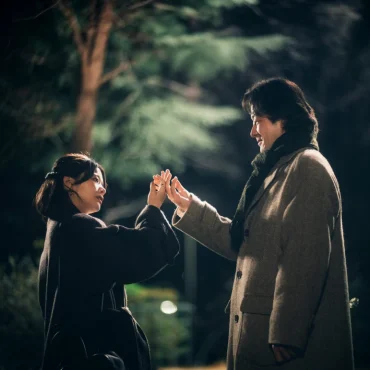
Discover the heartfelt story of "Tin Castle" with director Alexander Murphy, unveiling love, community, and resilience beyond stereotypes in a captivating Irish traveller family
In talk with the Director Yukiko Sode and actors Yukino Kishii and Asano Tadanobu from "All the Lovers in the Night" a film exploring the depth of solitude, love, and inner strength.
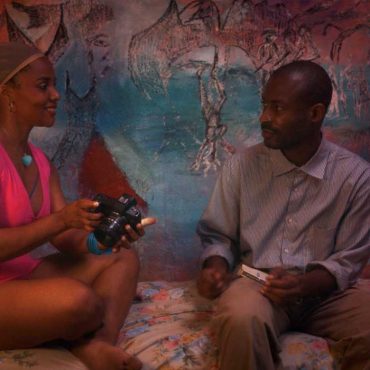
Géssica Généus, director of "Marie Madeleine": "In Haiti, everything lives together – the beauty, the complexity of our society. It’s all there, all at once."
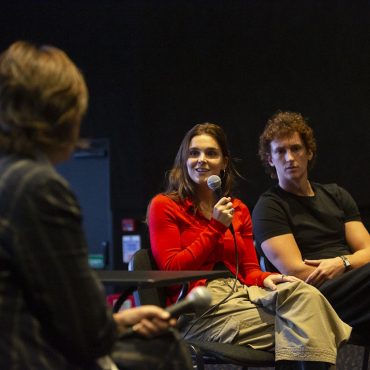
Sorry, Baby, based on director, writer and actor Eva Victor’s personal experience is an ironic and delicate cinematic letter to the people that feel stuck in life because of trauma.
Edinburgh Spanish Film Festival
Marian Arechega, director of the vibrant Edinburgh Spanish Film Festival, discusses the 2026 edition programme, showcasing recent and diverse cinema from Spain.
Nicolas Winding Refn on Her Private Hell, his first feature in ten years, in Italian cinemas from October 1.
Discover how EWIP - European Work in Progress connects European and African films with top buyers, boosting distribution and festival success.
Rome is once again expanding the scope of its Film Fest: thirteen days of cinema, international premieres, renowned auteurs, emerging talent, series, documentaries, and cinematic heritage—with Javier Bardem, Paolo Genovese, and Monica Vitti at the heart of an edition that …