

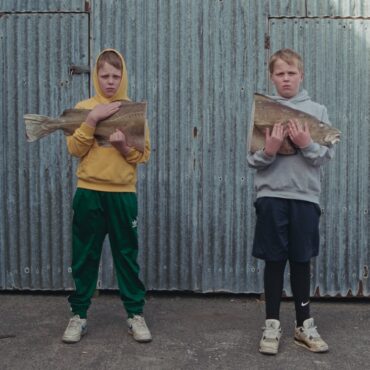
“The love that remains”, interview with director Hlynur Pálmason
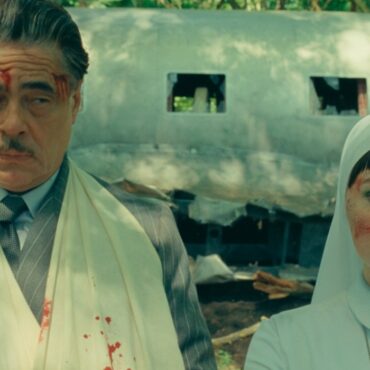
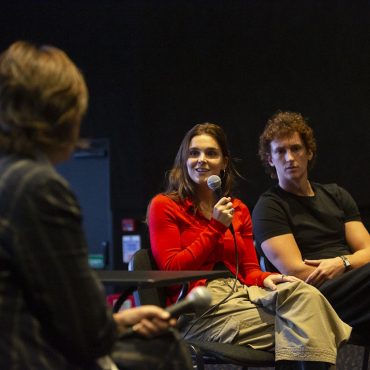
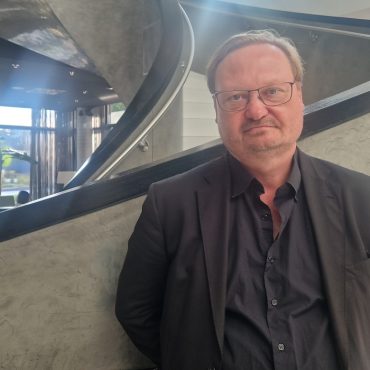
"The love that remains", at Cannes 78, is Pálmason’s more personal and intimate film.
Listeners:
Top listeners:
 play_arrow
ENGLISH Channel 01 If English is your language, or a language you understand, THIS IS YOUR CHANNEL !
 play_arrow
ITALIAN Channel 02 Se l’italiano è la tua lingua, o una lingua che conosci, QUESTO È IL TUO CANALE!
 play_arrow
EXTRA Channel 03 FRED Film Radio channel used to broadcast press conferences, seminars, workshops, master classes, etc.
 play_arrow
GERMAN Channel 04 Wenn Ihre Sprache Deutsch ist, oder Sie diese Sprache verstehen, dann ist das IHR KANAL !
 play_arrow
POLISH Channel 05
 play_arrow
SPANISH Channel 06 Si tu idioma es el español, o es un idioma que conoces, ¡ESTE ES TU CANAL!
 play_arrow
FRENCH Channel 07 Si votre langue maternelle est le français, ou si vous le comprenez, VOICI VOTRE CHAINE !
 play_arrow
PORTUGUESE Channel 08
 play_arrow
ROMANIAN Channel 09 Dacă vorbiţi sau înţelegeţi limba română, ACESTA ESTE CANALUL DUMNEAVOASTRĂ!
 play_arrow
SLOVENIAN Channel 10
 play_arrow
ENTERTAINMENT Channel 11 FRED Film Radio Channel used to broadcast music and live shows from Film Festivals.
 play_arrow
BULGARIAN Channel 16 Ако българският е вашият роден език, или го разбирате, ТОВА Е ВАШИЯТ КАНАЛ !
 play_arrow
CROATIAN Channel 17 Ako je hrvatski tvoj jezik, ili ga jednostavno razumiješ, OVO JE TVOJ KANAL!
 play_arrow
LATVIAN Channel 18
 play_arrow
DANISH Channel 19
 play_arrow
HUNGARIAN Channel 20
 play_arrow
DUTCH Channel 21
 play_arrow
GREEK Channel 22
 play_arrow
CZECH Channel 23
 play_arrow
LITHUANIAN Channel 24
 play_arrow
SLOVAK Channel 25
 play_arrow
ICELANDIC Channel 26 Ef þú talar, eða skilur íslensku, er ÞETTA RÁSIN ÞÍN !
 play_arrow
INDUSTRY Channel 27 FRED Film Radio channel completely dedicated to industry professionals.
 play_arrow
EDUCATION Channel 28 FRED Film Radio channel completely dedicated to film literacy.
 play_arrow
SARDU Channel 29 Si su sardu est sa limba tua, custu est su canale chi ti deghet!
 play_arrow
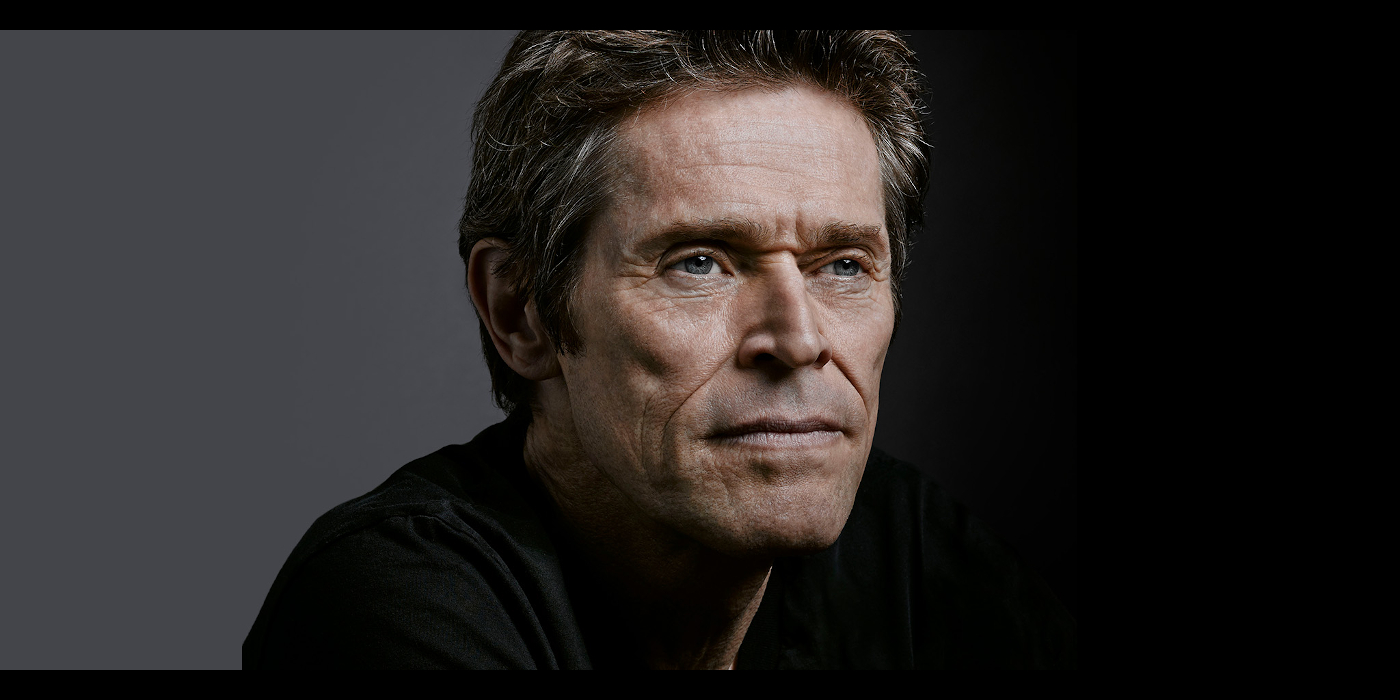
“Conversation with” at the 20th Marrakech IFF, interview with actor Willem Dafoe Bénédicte Prot
 play_arrow
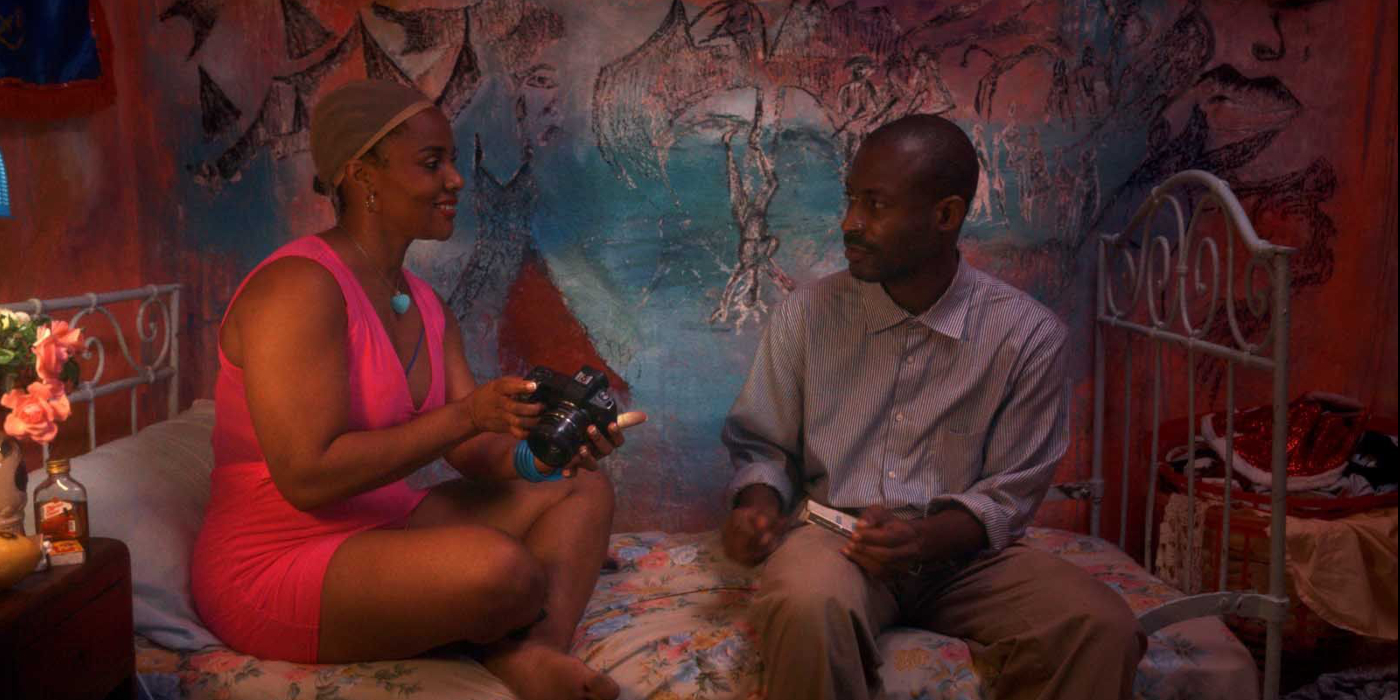
"Marie Madeleine", an interview with director and actress Géssica Généus Bénédicte Prot
Five years after presenting her debut feature, “Freda” (a title executive produced by Francis Ford Coppola which was the second Haitian film ever to be submitted for the Oscars), in the Un Certain Regard section of the Cannes Film Festival, Haitian director Géssica Généus is back on the Croisette, this time in Cannes Premiere sidebar, with her second film, “Marie Madeleine”, where she herself plays the eponymous character – “for convenience”, says Géssica Généus, as she couldn’t have asked of another actress what she undertook to do herself.
Director Géssica Généus on moving from a realistic film, anchored in a context of political unrest, to a more radiant story about the pure relationship uniting Marie Madeleine and Joseph (Béonard Monteau), with oneiric visuals, and a space for beauty and for different art forms: “I wanted to float, because I’ve been feeling weighed down by everything that’s happening in my country, by traumas that we’ve carried for our whole lives, and I wanted to feel a little bit more power in that fragility, if I can express it that way, and I wanted this film to be exactly how I see my country. In Haiti, everything lives together – the beauty, the complexity of our society, etc. It’s all there, all at once, not one thing after the other, so I wanted to make a film that shows everything at the same time. My DoP and I worked for a year before we got to the production phase of the filmand we knew we wanted each frame to be like a painting, because we are painters. we are artists, we are so full of talent, and I wanted this to be seen so bad, so I put a lot of work and energy into crafting these visuals, this way of existing, into this film.”
“It’s heavy to balance, because everything is happening for real, in real time… When you are used to a society where things are kind of in order, it’s hard to imagine that all of those things can happen, and that they do at the same time. You think wow, no one would be able to absorb all this and still stay alive, but we do! We absorb everything that is happening to us on a daily basis, and we still go through it, and this needs to happen, because we don’t function the same way as a nation… Just because you want to make something lighter doesn’t mean you can lie about the fact that we have all this in our world, constantly, so I wanted the film to be the same: I wanted it to be intense, as intense as the way we go through life on a daily basis.”
“I thought well, let’s just be upfront and put this church right there… because in Haiti, every step you take, you have a church, like every two or three meters. It’s everywhere! Because of the fact that the State is completely collapsing, or has collapsed already, religion has taken up so much space, comforting the people by saying ‘okay, we’re gonna save you, don’t worry. The State is not taking care of you but we’re gonna take care of you.’ But this begs the question of how they are positioning themselves, saying that they are apolitical when they are influencing the people’s perception and everything that’s happening in the country, so yes, I really wanted to talk about morality and about what happens when a society is not led by a government, but by faith in something that is completely detached from the concrete reality that we are dealing with on a daily basis.”
“I keep wondering, ‘Where is the love in all this?’, because when you think about it, the First Commandment is to love, it talks about love a lot, but… is there any love left in our interpretation of religion, of the Bible? Where is the love and why is it so far in the back? Why is it only for a specific group of people? (…) I feel like there’s a failure in the church’s mission. They don’t live up to what they promised, and I am extremely mad at that.”
In Jacmel, on Haiti’s southern coast, the sea, the churches, and the spirits shape everyday life. Marie Madeleine is a free woman. She lives from prostitution and moves through the nights without submitting to the rules of those who claim to save souls. When her path crosses that of Joseph, a young believer deeply involved in an evangelical community, a relationship forms between these two beings who seem to have nothing in common. As Joseph begins to waver in his faith, Marie Madeleine draws him into a world where desire, belief, and the search for freedom open a space where everything can be reinvented.
"The love that remains", at Cannes 78, is Pálmason’s more personal and intimate film.
The Phoenician Scheme by Wes Anderson, in Cannes’ competition sees the participation of newcomers Mia Threapleton and Riz Ahmed and welcomes back Richard Ayoade
Edinburgh Spanish Film Festival
Marian Arechega, director of the vibrant Edinburgh Spanish Film Festival, discusses the 2026 edition programme, showcasing recent and diverse cinema from Spain.
Nicolas Winding Refn on Her Private Hell, his first feature in ten years, in Italian cinemas from October 1.
Discover how EWIP - European Work in Progress connects European and African films with top buyers, boosting distribution and festival success.
Rome is once again expanding the scope of its Film Fest: thirteen days of cinema, international premieres, renowned auteurs, emerging talent, series, documentaries, and cinematic heritage—with Javier Bardem, Paolo Genovese, and Monica Vitti at the heart of an edition that …