


“Anemone”, interview with director Ronan Day-Lewis
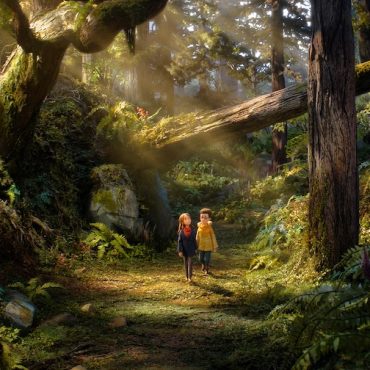
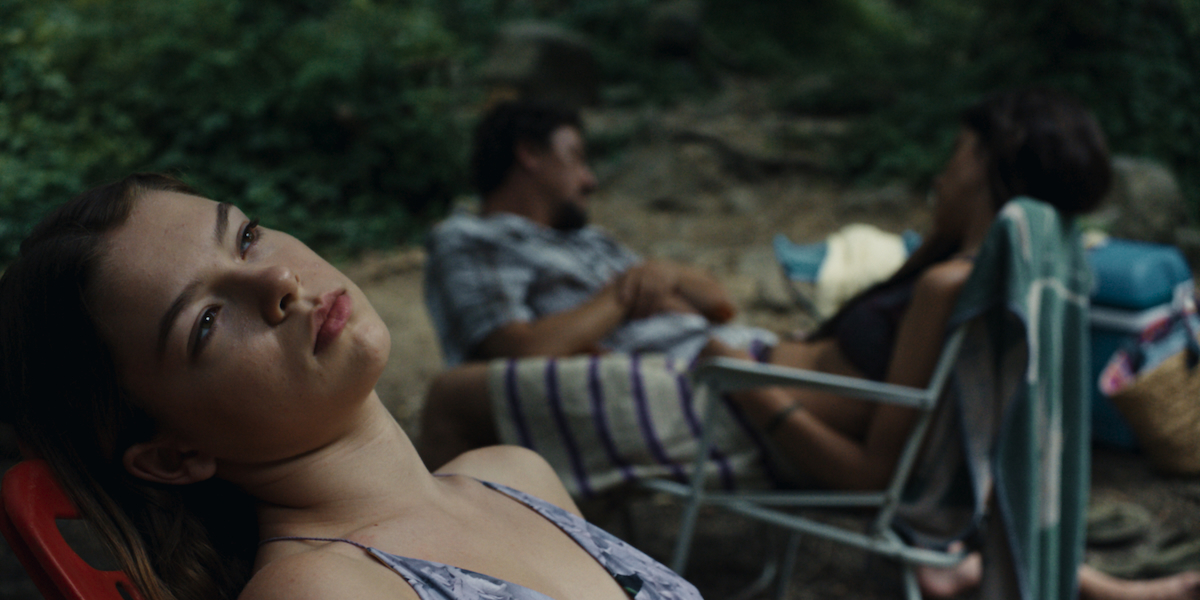
Anemone by Ronan Day-Lewis , winner of the 23rd Alice nella città - Best Debut feature award, marks the return of Daniel Day-Lewis
Listeners:
Top listeners:
 play_arrow
ENGLISH Channel 01 If English is your language, or a language you understand, THIS IS YOUR CHANNEL !
 play_arrow
ITALIAN Channel 02 Se l’italiano è la tua lingua, o una lingua che conosci, QUESTO È IL TUO CANALE!
 play_arrow
EXTRA Channel 03 FRED Film Radio channel used to broadcast press conferences, seminars, workshops, master classes, etc.
 play_arrow
GERMAN Channel 04 Wenn Ihre Sprache Deutsch ist, oder Sie diese Sprache verstehen, dann ist das IHR KANAL !
 play_arrow
POLISH Channel 05
 play_arrow
SPANISH Channel 06 Si tu idioma es el español, o es un idioma que conoces, ¡ESTE ES TU CANAL!
 play_arrow
FRENCH Channel 07 Si votre langue maternelle est le français, ou si vous le comprenez, VOICI VOTRE CHAINE !
 play_arrow
PORTUGUESE Channel 08
 play_arrow
ROMANIAN Channel 09 Dacă vorbiţi sau înţelegeţi limba română, ACESTA ESTE CANALUL DUMNEAVOASTRĂ!
 play_arrow
SLOVENIAN Channel 10
 play_arrow
ENTERTAINMENT Channel 11 FRED Film Radio Channel used to broadcast music and live shows from Film Festivals.
 play_arrow
BULGARIAN Channel 16 Ако българският е вашият роден език, или го разбирате, ТОВА Е ВАШИЯТ КАНАЛ !
 play_arrow
CROATIAN Channel 17 Ako je hrvatski tvoj jezik, ili ga jednostavno razumiješ, OVO JE TVOJ KANAL!
 play_arrow
LATVIAN Channel 18
 play_arrow
DANISH Channel 19
 play_arrow
HUNGARIAN Channel 20
 play_arrow
DUTCH Channel 21
 play_arrow
GREEK Channel 22
 play_arrow
CZECH Channel 23
 play_arrow
LITHUANIAN Channel 24
 play_arrow
SLOVAK Channel 25
 play_arrow
ICELANDIC Channel 26 Ef þú talar, eða skilur íslensku, er ÞETTA RÁSIN ÞÍN !
 play_arrow
INDUSTRY Channel 27 FRED Film Radio channel completely dedicated to industry professionals.
 play_arrow
EDUCATION Channel 28 FRED Film Radio channel completely dedicated to film literacy.
 play_arrow
SARDU Channel 29 Si su sardu est sa limba tua, custu est su canale chi ti deghet!
 play_arrow
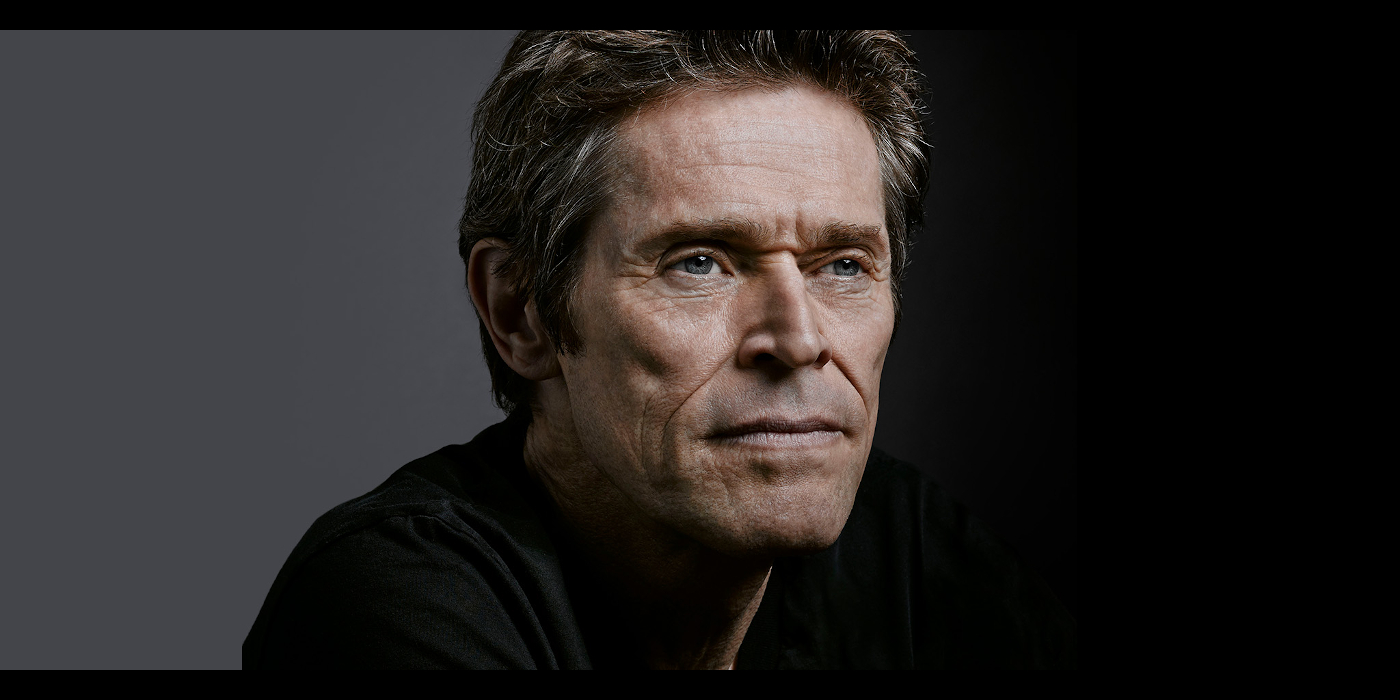
“Conversation with” at the 20th Marrakech IFF, interview with actor Willem Dafoe Bénédicte Prot
 play_arrow
"Mala Bèstia", interview with director Bàrbara Farré and producer Diego Betancor Federica Scarpa
Presented in competition at Alice nella Città 2026, Mala Bèstia marks Bàrbara Farré’s feature directorial debut, exploring adolescence through the unsettling language of dark fairy tales and psychological thrillers. Farré and producer Diego Betancor discuss the film’s personal origins, its examination of female identity and the importance of preserving creative freedom in contemporary filmmaking.
At the center of the story is Atenea, a girl at a boarding school who desperately wants to remain a child. When a couple offers her the possibility of a family, she begins to imagine a future shaped by affection and belonging. Yet the fear of losing her place, or being replaced, gradually awakens something darker within her.
Rather than approaching adolescence realistically, Farré turns the anxieties of growing up into a disturbing narrative about bodily transformation, desire, and the need to be accepted.
For Farré, portraying adolescence as a threatening experience comes directly from her own memories of growing up.
The director recalls the confusion surrounding puberty, menstruation and the emergence of sexuality, particularly the difficulty of understanding these changes without adequate references or conversations.
The film therefore attempts to revisit those formative experiences through fiction. As Betancor observes in the interview, Farré wanted to make the kind of film she would have appreciated as a teenager, something that might have helped her understand the changes in her body and identity.
This personal perspective shapes the film’s unusual approach to coming of age. Growing up is not simply a natural progression towards adulthood, but an experience marked by uncertainty, resistance and the fear of losing control over one’s identity.
The title Mala Bèstia suggests monstrosity, yet Farré rejects the idea that the beast should necessarily be understood as an external threat.
For the director, it represents a darker dimension of human identity that we must acknowledge rather than suppress. “Everybody has got this dark side inside themselves,” Farré explains, suggesting that accepting this hidden part of ourselves can become an essential step towards self-understanding.
This interpretation is closely connected to the film’s portrayal of female adolescence. The girls’ bodies influence how they are classified and treated, exposing the social expectations imposed on young women before they have developed the freedom to define themselves.
Farré is particularly interested in how physical transformation changes society’s perception of girls, often assigning them new roles and responsibilities without considering their emotional readiness.
In Mala Bèstia, the monstrous thus becomes inseparable from the experience of growing up in a world that attempts to determine who a girl should become.
The film’s distinctive visual and narrative identity also reflects an unusual creative relationship between Farré and Betancor.
The producer, whose previous work includes the Netflix series Élite, first became interested in Farré through her earlier projects. After collaborating on another television series, they decided to develop her first feature together.
Both were determined to protect the director’s artistic vision, even if that meant accepting financial limitations and a more complicated production process.
Betancor describes the project as an opportunity to create an “oasis of creative freedom”, away from the industrial expectations associated with their work in television, advertising and music videos.
The relatively limited budget posed challenges, but it also let them focus on making the film they wanted.
Their collaboration rested on a shared understanding that the project should follow its own narrative and aesthetic principles rather than conform to familiar commercial formulas.
For Farré, making her first feature was also a chance to define her relationship with cinema.
Having worked extensively in commercials and music videos, she wanted her debut to express a personal sensibility, with a different rhythm and greater space for poetic expression.
During the conversation, the filmmakers describe their approach as a form of resistance to algorithm-driven storytelling and the growing influence of platforms and artificial intelligence on audiovisual production.
Farré acknowledges that choosing this path can make a film more difficult to finance and distribute. Nevertheless, she considers taking creative risks fundamental to filmmaking.
The director also reflects on the personal transformation that came with completing her first feature. Working on material so closely connected to her own experiences became a process of self-discovery, revealing aspects of her identity that she had not fully recognized before.
In Mala Bèstia, the debut work of Bàrbara Farré, family ties and a sense of belonging serve as a springboard for exploring the fear of abandonment and replacement. Blending dark fairy tale with thriller, Farré transforms the typical uncertainties of adolescence into a story about the metamorphosis and desires of a girl coming of age. Atenea lives in a boarding school, clinging to the hope of never growing up. When a couple decides to take her in, the prospect of a real home opens up—one she is determined not to lose. Soon, however, the fear of being replaced awakens an instinct within Atenea that drives her to do the unimaginable.
Anemone by Ronan Day-Lewis , winner of the 23rd Alice nella città - Best Debut feature award, marks the return of Daniel Day-Lewis
In “Rebuilding”, Max Walker-Silverman reflects on loss, resilience, and the fragile beauty of starting over — finding hope in what remains.
In “A Second Life”, director Laurent Slama captures silence, hope, and rebirth in Olympic Paris — a story of connection beyond sound and sight.
At Alice nella Città the first feature film of Julien Menanteau "Lads", an insightful look into the world of young jockeys and the horse racing industry.
Character designer Thibault Leclercq talks about Wildwood and its stop-motion puppets, at the 24th edition of Alice nella Città.
Edinburgh Spanish Film Festival
Marian Arechega, director of the vibrant Edinburgh Spanish Film Festival, discusses the 2026 edition programme, showcasing recent and diverse cinema from Spain.
Nicolas Winding Refn on Her Private Hell, his first feature in ten years, in Italian cinemas from October 1.
Discover how EWIP - European Work in Progress connects European and African films with top buyers, boosting distribution and festival success.