PODCAST | Chiara Nicoletti interviews Abel Ferrara and Willem Dafoe, director and actor of the film Siberia.
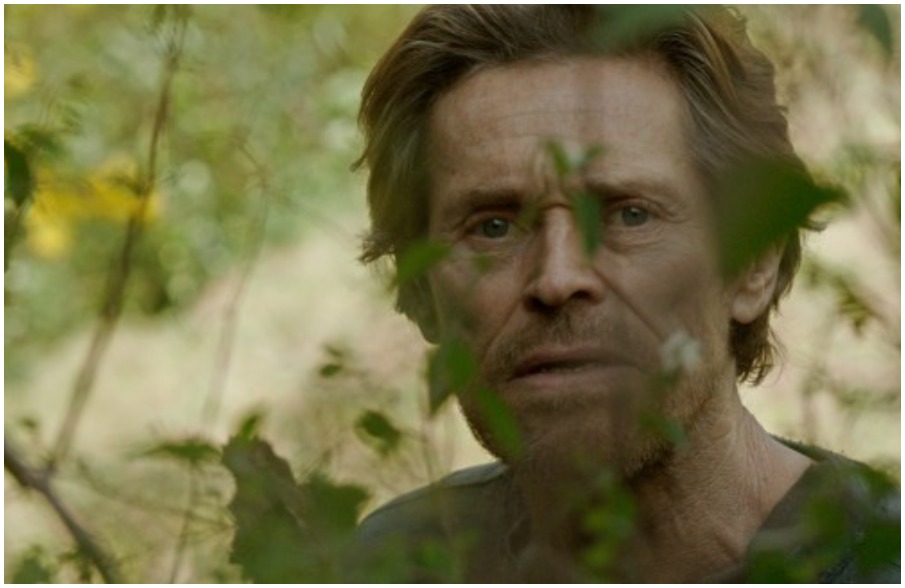
After presenting Tommaso at the latest Cannes Film Festival, Abel Ferrara is in competition at the 70th Berlinale with Siberia, starring his muse actor Willem Dafoe. Siberia is not only the place where Clint ( Willem Dafoe) goes to live to hide away from a life he has to elaborate on and process but is also a place of the mind where past and present’s ghosts come to hunt you and memories come to mind taking sometimes a darker turn. For the audience and the protagonist’s story Siberia can also become a desert, a concentration camp or a green grass where to jump and dance surrounded by children and dogs. In Abel Ferrara’s Siberia a fish can talk and friends can become monsters. Willem Dafoe and Abel Ferrara describe their way of working together and how they connected the dots of Abel’s stream of filmmaking consciousness.
Siberia: A man flees from one world to another that is strange and cold. Furs and fires keep him warm; a cave serves as his shelter. He is a broken man who wants to be alone. But even isolation does not bring him inner peace. Once again, he goes on a journey, this time into the self. He explores his dreams, confronts memories and seeks out visions. The rare encounters with other people are in languages he does not speak, determined by bodies that fascinate him, and by types of love he explores and then loses. His journey becomes a dance with demons, but time and again it flares up: light. In cinema history there have been many attempts to portray the mythical as something intimate, and the radical as a personal journey. But there is only one artist who is as wildly anarchistic, metaphysically mysterious, and at the same time god-obsessed and fanatical about the truth: Abel Ferrara, joining forces here once again with his acting alter ego, Willem Dafoe. While his previous film Tommaso explored the way desire plays out in families, in Siberia the (male) ego abandons all semblance of everyday life in a tumultuous montage. To expose and discover himself.
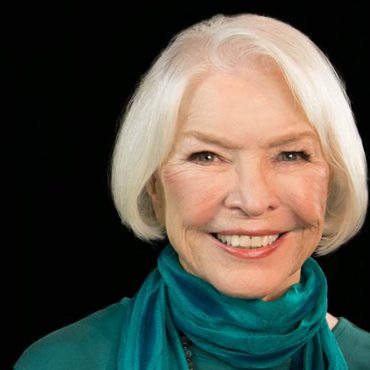
Oscar-winning actress Ellen Burstyn will receive the Golden Lion for Lifetime Achievement at the Venice Film Festival 2026, joining George Clooney among this year's recipients of the prestigious award.
Miroslav Terzić's 3 Weeks After, winner of the Europa Cinemas Label at Karlovy Vary Film Festival 2026: "It's not just about peer violence, but about a violent society, and we are all in it."
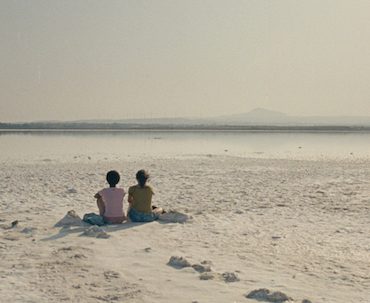
Tonia Mishiali's The Lion at My Back, winner of the Ecumenical Jury Grand Prize at Karlovy Vary 2026, is the second chapter of her trilogy on women living on the sidelines
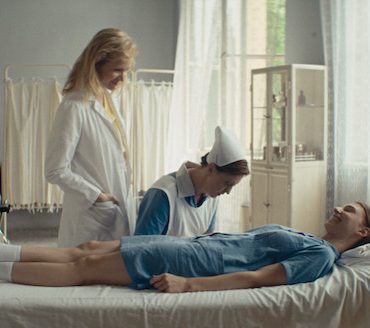
Ivan Ostrochovský's Only Beautiful Things to Look At tackles forced sterilisation through magnificent visuals: "If the film visually goes against the topic, maybe it is scarier."