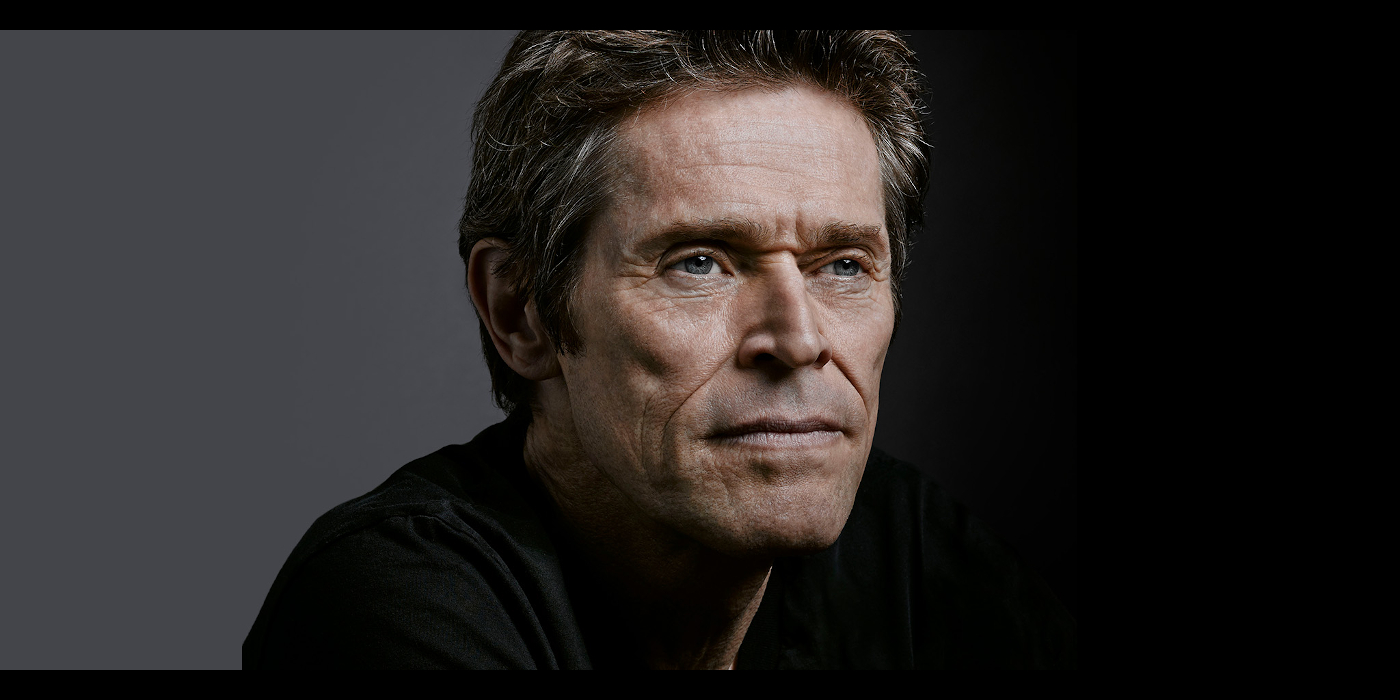
Amos Gitai, director "Why War". Albert Einstein and Sigmund Freud discussed about war. These letters are the excuse and the inspiration for a thorough reflection on the meaning of war in these unsettling times
Taking its cue from an exchange of correspondence on the meaning of war between Albert Einstein and Sigmund Freud, Amos Gitai‘s “Why War” constructs out of stock footage and fiction a treatise on the futility of war as a means of resolving differences and the inhumanity of all conflict. The film has been presented Out of Competition at the 81st Venice International Film Festival.
Cinema asks questions, it does not give answers
Amos Gitai also uses this philosophy of filmmaking in “Why War“, which he found it necessary to build and make after the events of October last year that once again created an explosive and unstable situation in the Middle East, where visionless and unscrupulous politicians seek absolute victory, which does not exist for anyone, in a war.
Art and film in particular are the only option for building relationships between different worlds
Amos Gitai is convinced that cinema should not be propaganda, but sharing ideas and personal reflections to open minds and stimulate critical thinking. There is no alternative to the use of cinema: filmmakers do not make products, but offer reflections.
play_arrow
"Why War", interview with the director Amos GitaiAngelo Acerbi
In 1932, Albert Einstein was invited by the League of Nations to address a letter on any subject to any person. He chose to correspond with Sigmund Freud about avoiding war. To this day, the correspondence about war between two great thinkers of all time proves to be more relevant than ever. Inspired by this correspondence between Albert Einstein and Sigmund Freud almost a century ago, the film Why War traces the roots of war, and embarks on a search for an explanation of the savagery of wars that inhabit our world.
London by Victor De Marco and Marcio Picoli is a powerful film, included in Venice Critics Week, exploring desire, identity, and the courage to defy labels—offering a fresh, bold perspective on disability and human connection.
Discover how Zoom In, Zoom Out captures the complex journey of self-discovery amid virtual worlds and real emotions—an engaging look at modern connection.
In competition at Venice 83, Ilya Khrzhanovsky on twenty years of DAU, the controversy over its presence in Venice, and the Soviet totalitarian DNA he says still poisons the present
Discover how "The End of Times" blends AI, fiction, and reality to explore family, sadness, and political irony in a captivating, innovative film experience.